- English
- French
- German
- Portuguese
- Spanish
- Russian
- Japanese
- Korean
- Arabic
- Greek
- German
- Turkish
- Italian
- Danish
- Romanian
- Indonesian
- Czech
- Afrikaans
- Swedish
- Polish
- Basque
- Catalan
- Esperanto
- Hindi
- Lao
- Albanian
- Amharic
- Armenian
- Azerbaijani
- Belarusian
- Bengali
- Bosnian
- Bulgarian
- Cebuano
- Chichewa
- Corsican
- Croatian
- Dutch
- Estonian
- Filipino
- Finnish
- Frisian
- Galician
- Georgian
- Gujarati
- Haitian
- Hausa
- Hawaiian
- Hebrew
- Hmong
- Hungarian
- Icelandic
- Igbo
- Javanese
- Kannada
- Kazakh
- Khmer
- Kurdish
- Kyrgyz
- Latin
- Latvian
- Lithuanian
- Luxembou..
- Macedonian
- Malagasy
- Malay
- Malayalam
- Maltese
- Maori
- Marathi
- Mongolian
- Burmese
- Nepali
- Norwegian
- Pashto
- Persian
- Punjabi
- Serbian
- Sesotho
- Sinhala
- Slovak
- Slovenian
- Somali
- Samoan
- Scots Gaelic
- Shona
- Sindhi
- Sundanese
- Swahili
- Tajik
- Tamil
- Telugu
- Thai
- Ukrainian
- Urdu
- Uzbek
- Vietnamese
- Welsh
- Xhosa
- Yiddish
- Yoruba
- Zulu
What Are Stainless Steel Swing Check Valves Used For?
Stainless steel swing check valves serve a critical function in preventing reverse flow within pipeline systems across numerous industrial applications. These self-actuating devices use a hinged disc mechanism that opens under forward pressure and closes when flow reverses, protecting pumps, equipment, and process integrity from backflow damage. Their robust stainless steel construction—typically in 304 or 316 grades—makes them indispensable in water treatment plants, chemical processing facilities, HVAC systems, oil and gas pipelines, and power generation stations where corrosion resistance and reliability are paramount.
Understanding Stainless Steel Swing Check Valves
How the Swing Mechanism Works
The beauty of design comes in how simple it is. When fluid pressure pushes from the inlet side, a disk connected to a hinge pin swings open, letting fluid move freely. Backflow pressure and gravity push the disk against a machined seat, making a seal when flow stops or tries to go backward. Gravity-assisted swing valves work better in horizontal installations than spring-loaded ones because the speed of the flow is enough to keep the disk fully open, reducing pressure drop.
The position at which the disk pivots is very important. In standard swing check valves, the hinge is above the flow line, so there needs to be enough space inside the valve body for the hinge to move. This setup works reliably at flow rates above 2 feet per second, but it might chatter at lower speeds, which is something to think about in systems where demand changes.
Material Grades and Corrosion Resistance
Stainless steel 304 (CF8 cast grade) has 18% chromium and 8% nickel. These two metals combine to make a passive oxide layer that doesn't oxidize in fresh water, light chemicals, or the air. This grade can handle temperatures between -20°C and 150°C and pressures of up to 1.6 MPa in common flanged sizes DN15 to DN500. The material works well for water systems in cities, HVAC condensate lines, and general industrial use.
The resistance to chlorides, sulfides, and acidic environments is dramatically improved by adding 2 to 3 percent molybdenum to stainless steel 316 (CF8M cast grade). 316 is used in desalination plants, seaside sites, chemical processes that work with corrosive media, and food-grade uses to stop pitting corrosion that could damage the seal. When the conditions call for it, the molybdenum percentage supports a 20–30% price hike.
Differences from Other Check Valve Types
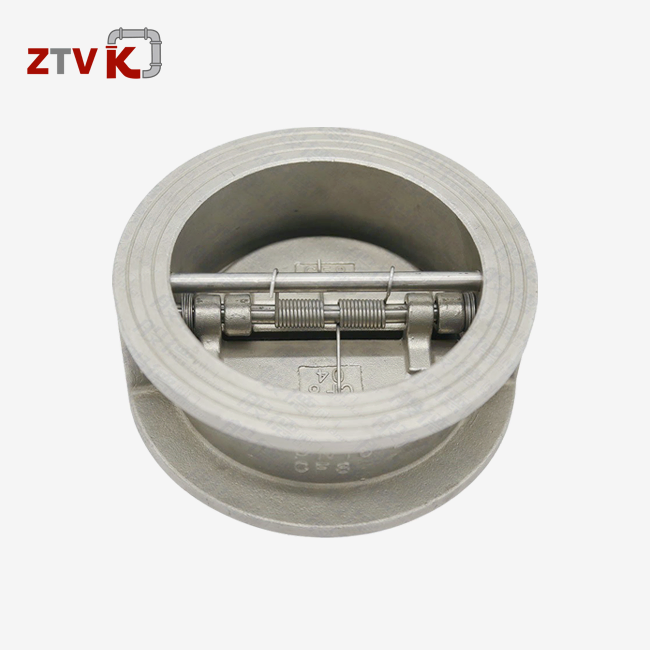
Dual-plate wafer check valves take up less space when installed and can work in either a vertical or horizontal position. However, in abrasive slurries, their spring-loaded plates wear down more quickly. Ball check valves are small enough to fit in small-hole uses, but they lose more pressure than other valves. Lift check valves can only be installed vertically, so the flow has to go up through the seat. This makes them less flexible. Swing check valves have a moderate pressure drop (usually 2–5 PSI at rated flow), come in a wide range of sizes, and have been shown to last for a long time in situations where their longer face-to-face dimension allows for installation.
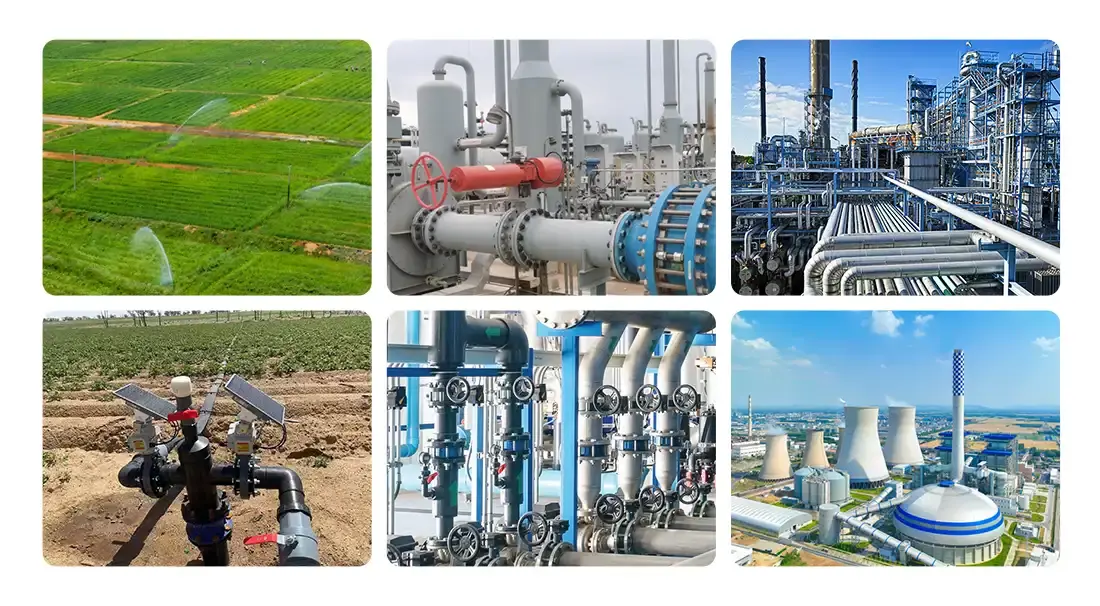
Applications of Stainless Steel Swing Check Valves in Industry
Water and Wastewater Treatment
To prevent backflow when pumps turn off and protect impellers from damage from reverse rotation, municipal water distribution networks install swing check valves downstream of booster pumps. Most treatment plants use a flanged connection standard that ranges from DN50 to DN500. This standard matches pipe plans and makes it easy to remove connections for repair. Stainless steel can handle high levels of chlorine used for cleaning, and it doesn't get scaled by minerals like carbon steel does in places with hard water.
The conditions for treating wastewater are harsher. Hydrogen sulfide in wastewater speeds up rusting, which is why 316 stainless steel is the best material for lift station release lines. One regional utility said that switching from ductile iron valves that only lasted 4 years to 316 stainless steel ones extended their service life to over 12 years, cutting costs over the life of the valves even though they cost more at first.
Petrochemical and Refinery Operations
Valve parts in chemical plants, refineries, and systems that move crude oil need to be able to handle solvents, changing temperatures, and being cleaned with acids or caustics from time to time. Centrifugal pumps in crude distillation units are protected by swing check valves that meet API 6D standards. These valves stop column backflow that could hydraulically lock pumps during emergency shutdowns. For most low- to middling-pressure services, the 1.6 MPa number is enough. For higher-pressure uses, ASME Class 300 or 600 ratings are needed.
Refineries really like swing forms because they are easy to keep up. Gravity-operated swing valves only need to have their seats inspected during planned turnarounds, while spring-loaded types need to have their springs replaced on a regular basis. This cuts down on the number of hours needed for upkeep and the cost of keeping valves in stock.
HVAC and Building Systems
Swing check valves are used in chilled water loops, heating hot water circuits, and condensate return lines in commercial buildings, hospitals, and industrial facilities. The valves stop thermosiphoning, which is when extra gravity flows when the pumps stop. This loses energy and makes it hard to control the temperature. Stainless steel 304 can handle glycol-water mixtures and temperatures up to 150°C, which are typical in steam condensate uses. It can do this better than bronze or brass bodies, which can lose their zinc content.
Backflow prevention is required by code in fire protection systems, which are a special type of HVAC application. In order to meet the FM approval and UL listing requirements that many jurisdictions enforce, stainless steel swing check valves in sprinkler system risers make sure that pressurized water is always available in an emergency.
Chemical Processing and Pharmaceuticals
In the pharmaceutical industry, sanitary-grade valves with clear material tracing are needed for batch reactors, continuous flow processes, and clean-in-place (CIP) systems. Swing check valves made of stainless steel 316L (low-carbon variant) with electropolished internals keep products clean and can withstand harsh cleaning agents like nitric acid and sodium hydroxide used in CIP procedures.
The flanged design with sizes DN15 to DN100 fits most process line diameters, and the lack of springs gets rid of one possible source of contamination. Pharmaceutical experts like how easy it is to take the material apart for testing and how it meets FDA CFR Title 21 for direct food contact.
Oil and Gas Pipeline Systems
At pump stations and manifold joints, midstream pipes that move crude oil, natural gas liquids, and refined products have swing check valves installed. The valves separate each pump during repair and stop leaks that could drain parts of the pipeline. Sour crude oil and natural gas streams contain sulfur compounds and water that eat away at carbon steel parts. Stainless steel construction doesn't let these things happen.
Saltwater spray and H2S gas are especially bad for offshore platforms because they corrode them. Duplex stainless steel, which is stronger than 304/316 and is sometimes used when standard austenitic grades aren't enough, but it costs more. With the right finishing methods, many operators think that 316 stainless steel is good enough for topside uses.
Benefits and Advantages Over Alternative Valve Types
Corrosion Resistance and Longevity
Stainless steel's chromium-rich passive layer heals itself right away if it gets scratched, which is something that painted carbon steel can't do. Because of this quality, it can last 15-20 years in water systems and 10-15 years in moderately corrosive chemical service, while coated ductile iron or carbon steel equivalents only last 5–8 years. Even though the original capital cost is higher, the longer replacement period lowers the total cost of the project.
According to ASTM A262, testing shows that stainless steel 316 that has been properly heated doesn't corrode between the grains in places where sensitization (chromium carbide precipitation) might normally happen. When valves are used at temperatures ranging from room temperature to 150°C, this mechanical stability is important.
Low Pressure Drop and Energy Efficiency
When fully open, the full-bore swing disk design doesn't get in the way of flow very much, causing a pressure drop of only 2 to 3 PSI at the rated speed. This better efficiency compared to ball or lift check designs lowers the cost of pumping energy in big jobs. At industry rates, a DN300 swing check valve that handles 500 cubic meters per hour uses about 1.5 kW less pumping power than a similar lift check. This saves about $1,200 a year in energy costs.
Less pressure drop is also good for systems that don't have a lot of net positive suction head (NPSH). This helps keep downstream pumps from getting damaged by cavitation in suction-lift situations like water treatment input structures.
Ease of Maintenance and Inspection
Flanged fittings that meet ASME B16.5 or DIN PN16 standards make it possible to remove the valve without having to cut the pipe, which is a big benefit over welded check valves. During planned outages, maintenance teams can take the valve off its bolts, check the disk and seat for wear, lap or replace any parts that need it, and then put the valve back on within hours. The hinge pin design uses bushings that can be replaced when they get worn. This means that the valve doesn't have to be replaced completely.
The swing check valve's easy-to-reach shape helps with predictive maintenance plans. Ultrasonic flow meters can find disk flutter, which means the flow velocity isn't high enough, and acoustic emission monitors can find seat leaks before they get too bad. This lets replacement plans be based on condition instead of time.
Cost-Effectiveness in Bulk Procurement
Distributors and trade companies that buy swing check valves to keep in stock, as the standard sizes and flange drillings mean they only need to keep a few SKUs on hand while still being able to use them in a variety of situations. The DN15–DN500 range with a 1.6 MPa grade covers about 70% of industrial valve needs. This makes buying easier and frees up working capital that would have been used on specialty items that take a long time to move.
Volume pricing from companies like ZTVK, which makes more than 2,000 units a month, lets orders of 50 or more valves get 15 to 25 percent off of small-lot pricing. These economies of scale, along with ISO 9001 quality systems that ensure consistency, make stainless steel swing check valves appealing to project managers who are in charge of multiple sites with standard requirements.
Procurement Considerations for Stainless Steel Swing Check Valves
Sizing and Pressure Rating Selection
Most of the time, valve sizes should match pipe diameters. However, in high-velocity situations, it's better to go up by one nominal size to lower pressure drop and prevent erosion. A DN80 valve in a DN80 pipe that moves 150 cubic meters per hour works at about 3 meters per second, which is fine for water but could be damaging for abrasive slurries. When you upgrade to DN100, the speed drops to 2 meters per second, which makes the service last longer.
Not only static working pressure but also system surge pressure must be taken into account when choosing a pressure number. A 2.5x safety factor is a good idea because water hammer events can cause short-term pressures 5–10 times the usual working levels. For a system that works at 0.8 MPa static, the minimum valve specification should be 1.6 MPa or Class 150. This will give enough room for sudden events.
Material Grade Decision Framework
When the temperature doesn't go above 150°C, the pH stays between 5.5 and 8.5, and the salt level stays below 200 ppm, you should use 304 stainless steel. This saves the most money and covers city water, light chemical service, and most HVAC needs.
For seawater, brines, chlorinated process streams, acidic condensates, and any other use where chlorides are present in amounts above 200 ppm, you should switch to 316 stainless steel. If an installation is within 10 miles of saltwater, it should always use 316, even if the process media seems safe, because chlorides in the air speed up corrosion on the outside.
Evaluating Supplier Certifications
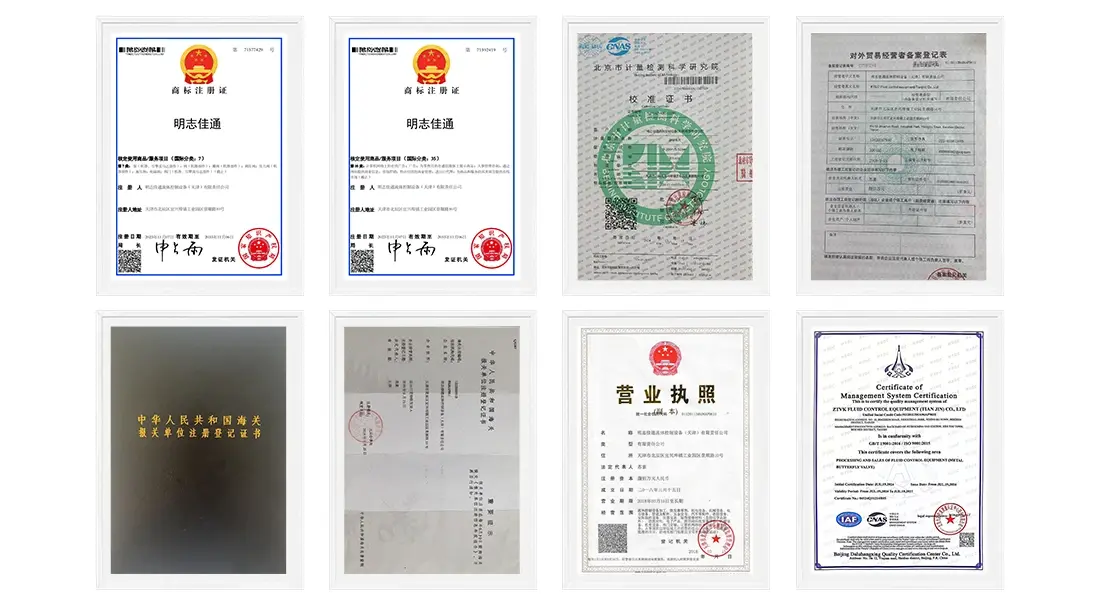
If a company has ISO 9001 certification, it means they follow written quality processes. However, make sure the certification covers the whole process—valve assembly certification is not as important as certification that includes casting, machining, and testing. When it comes to designing and testing check valves for oil and gas service, API 6D certification goes above and beyond what ISO standards say.
Material test records (MTRs) that can be linked to heat numbers show that the alloy makeup meets the requirements. Suppliers with a good reputation send MTRs with all packages, while those that need special requests for paperwork might not have strong quality systems. According to API 598 or ISO 5208 standards, hydrostatic test certificates show leak testing at 1.5 times the maximum pressure, which proves the stability of the shell and seat.
Lead Times and Inventory Strategies
Standard DN50–DN300 valves made of 304/316 stainless steel and flanged ends with a 1.6 MPa rating usually ship within 3–7 days if the maker keeps enough in stock. Custom configurations, such as special materials, non-standard pressure classes, or unusual end connections, make lead times 15–25 days longer and require earlier procurement action to meet project deadlines.
Distributors who work with project workers have to weigh the costs of speeding orders against the costs of stocking their shelves. Stocking sizes that move quickly (DN50, DN80, DN100) in both 304 and 316 grades meet 60% of normal demand. Working with prompt makers like ZTVK to get non-stock items quickly (7–10 days) saves money on working capital while keeping service levels high.
Bulk Purchasing and Customization Options
When a project order for more than 50 valves is placed, volume discounts, OEM branding opportunities, and possible design changes become available. Manufacturers that offer OEM services can cast your company's logo into valve bodies, engrave custom nameplates, and package your goods in boxes with your logo on them. This is helpful for wholesalers who want to build brand recall.
You can change the technical details by adding different seat materials (like Viton, EPDM, or PTFE instead of metal), longer stems for protected pipes, or pneumatic actuator mounting brackets for automatic operation. By talking about these options during the procurement process instead of after the standard valve delivery, it is possible to avoid having to make expensive changes in the field.
Conclusion
Stainless steel swing check valves are a tried-and-true technology that offers corrosion resistance, mechanical simplicity, and reliable operation in a wide range of industrial settings. Their disk system works by gravity and doesn't need any outside power. It also stops backflow damage that could damage equipment worth a lot more than the valve itself. Choosing between grades 304 and 316 of steel depends on the type of corrosion that will be happening. Grade 316 is better when chlorides or acids are present. Most industry needs can be met by flanged connections from DN15 to DN500 with 1.6 MPa values. For higher pressures, ASME Class 300 or 600 connections are needed. The success of procurement depends on matching the valve's properties to the hydraulics of the system, making sure the supplier's certifications are valid, and using bulk purchases to make things more specific and lower costs. If you follow the right inspection and maintenance schedules, your equipment will last longer than 15 years in many situations, giving you great lifecycle value.
Frequently Asked Questions
1. What pressure rating do I need for a municipal water booster pump application?
Static pressure in municipal water systems is usually between 0.4 and 0.8 MPa, but it can reach 1.5 to 2.0 MPa when pumps are turned on or valves are closed. A stainless steel swing check valve with a rating of 1.6 MPa gives enough safety for these short-term changes without being too specific. If the operating pressures keep getting close to 1 MPa, check your system's surge calculation or do a water hammer analysis.
2. Can I install a swing check valve in a vertical pipe with upward flow?
Swing check valves are meant to be installed horizontally, where gravity helps the disk close. Vertical upward flow systems only work if the flow rate stays above 5 feet per second. If it doesn't, the disk might not close properly when there is backflow. For vertical uses where flow speed changes, a lift check valve or a spring-assisted swing check might be a good choice.
3. How do I select between flanged and wafer connection types?
Flanged swing check valves that meet ASME B16.5 or DIN standards offer the strongest connection and the easiest access for maintenance, making them perfect for services that need to be checked on a regular basis. Wafer-style checks take up less room and are lighter when installed, but you have to be careful when choosing the bolt length and torque. For normal industrial uses with enough room, flanged connections are more reliable over the long term.
Partner with ZTVK for Reliable Stainless Steel Swing Check Valve Supply
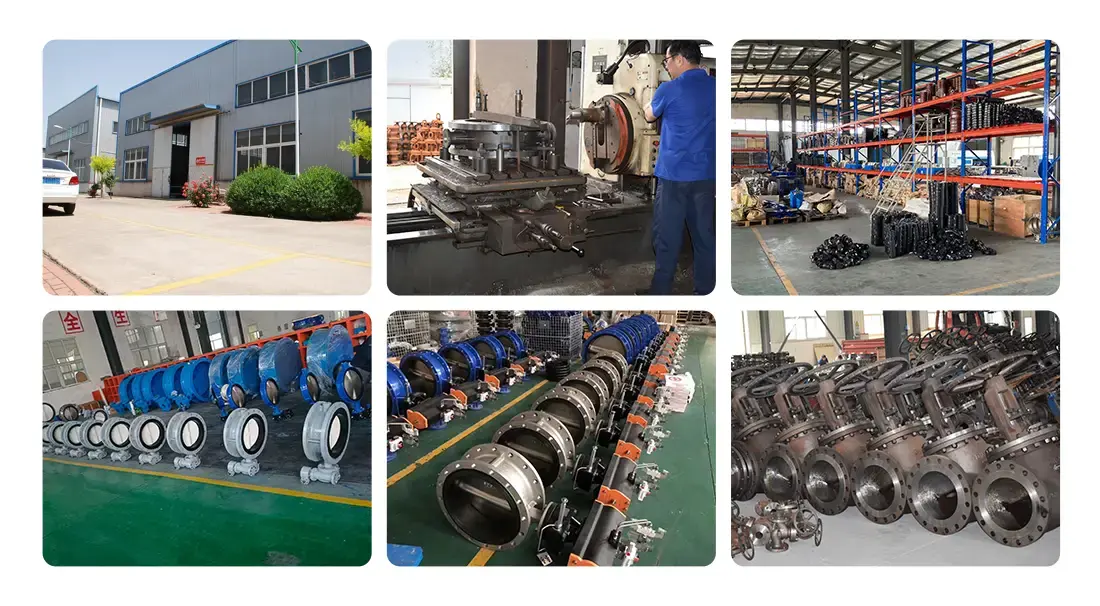
ZTVK's ISO 9001-certified factory in Tianjin, China, makes industrial-grade stainless steel swing check valves. The factory is only 50 kilometers from Tianjin Port, which makes shipping around the world easy. We can make more than 2,000 units a month in sizes DN15 to DN500 in both 304 and 316 stainless steel. Standard models ship in 3–7 days, and custom configurations are ready in 15–25 days. Distributors, builders, and equipment makers from all over the world can use our OEM branding, technical modifications, and bulk pricing. We test each valve hydrostatically up to 1.5 times its rated pressure and keep records of the results on test certificates and MTRs. We also offer an 18-month guarantee that covers any problems that happen during production. Email our technical team at ktec86961886@163.com to talk about the details of your project, ask for CAD drawings, or get quotes for your next purchase of a stainless steel swing check valve.
References
1. American Petroleum Institute. (2019). API Standard 6D: Specification for Pipeline and Piping Valves. Washington, DC: API Publishing Services.
2. ASME International. (2020). ASME B16.34: Valves—Flanged, Threaded, and Welding End. New York: American Society of Mechanical Engineers.
3. Lyons, Jerry L., and Askland, Christopher. (2016). Piping Systems Manual. New York: McGraw-Hill Education.
4. Pearson, Glenn. (2018). Valve Selection Handbook: Engineering Fundamentals for Selecting the Right Valve Design for Every Industrial Flow Application. Oxford: Butterworth-Heinemann.
5. Smith, Peter, and Zappe, R.W. (2021). Valve Selection Handbook for the Process Industries. Houston: Gulf Professional Publishing.
6. Tullis, J. Paul. (2017). Hydraulics of Pipelines: Pumps, Valves, Cavitation, Transients. Hoboken: John Wiley & Sons.
Send us your valve requirements and our team will provide professional solutions and fast quotations.
RELATED INDUSTRY KNOWLEDGE