- English
- French
- German
- Portuguese
- Spanish
- Russian
- Japanese
- Korean
- Arabic
- Greek
- German
- Turkish
- Italian
- Danish
- Romanian
- Indonesian
- Czech
- Afrikaans
- Swedish
- Polish
- Basque
- Catalan
- Esperanto
- Hindi
- Lao
- Albanian
- Amharic
- Armenian
- Azerbaijani
- Belarusian
- Bengali
- Bosnian
- Bulgarian
- Cebuano
- Chichewa
- Corsican
- Croatian
- Dutch
- Estonian
- Filipino
- Finnish
- Frisian
- Galician
- Georgian
- Gujarati
- Haitian
- Hausa
- Hawaiian
- Hebrew
- Hmong
- Hungarian
- Icelandic
- Igbo
- Javanese
- Kannada
- Kazakh
- Khmer
- Kurdish
- Kyrgyz
- Latin
- Latvian
- Lithuanian
- Luxembou..
- Macedonian
- Malagasy
- Malay
- Malayalam
- Maltese
- Maori
- Marathi
- Mongolian
- Burmese
- Nepali
- Norwegian
- Pashto
- Persian
- Punjabi
- Serbian
- Sesotho
- Sinhala
- Slovak
- Slovenian
- Somali
- Samoan
- Scots Gaelic
- Shona
- Sindhi
- Sundanese
- Swahili
- Tajik
- Tamil
- Telugu
- Thai
- Ukrainian
- Urdu
- Uzbek
- Vietnamese
- Welsh
- Xhosa
- Yiddish
- Yoruba
- Zulu
Double Flanged Butterfly Valve: Uses and Benefits
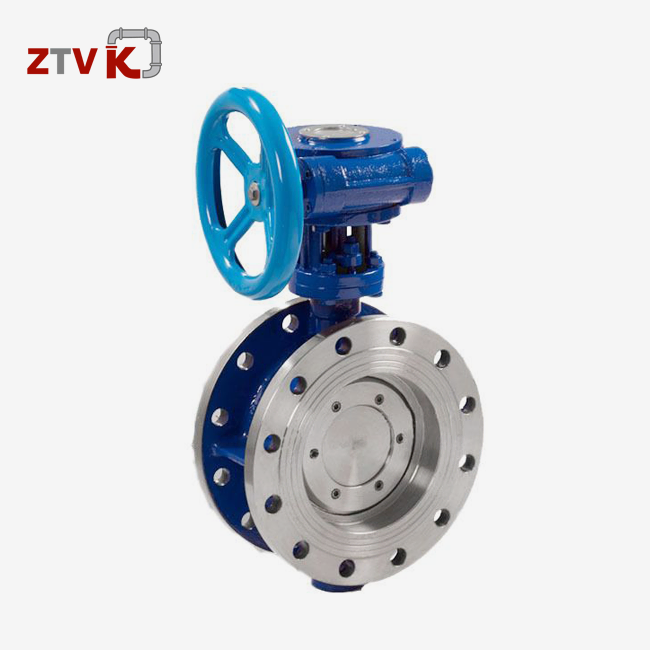
When selecting flow control equipment for industrial applications, procurement managers and engineers often face tough decisions. The double flanged butterfly valve stands out as a reliable, efficient solution designed to handle demanding operational requirements across various sectors. This valve type features a robust construction, offering enhanced stability, ease of installation, and long-term durability. Its flanged connections on both sides ensure secure integration into piping systems, making it a preferred choice for water treatment, HVAC, chemical processing, and petrochemical industries. Understanding the design, applications, and procurement considerations of these valves helps industry professionals optimize system performance while managing costs effectively.
Understanding the Double Flanged Butterfly Valve
Core Design and Working Principle
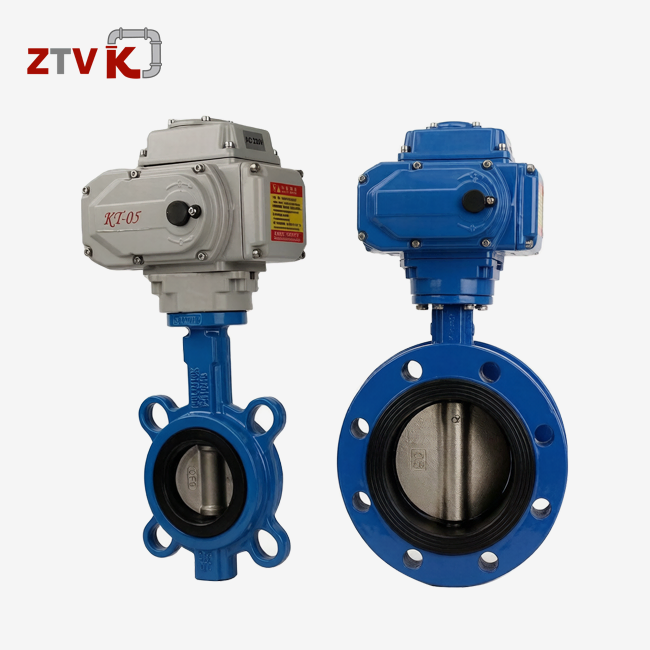
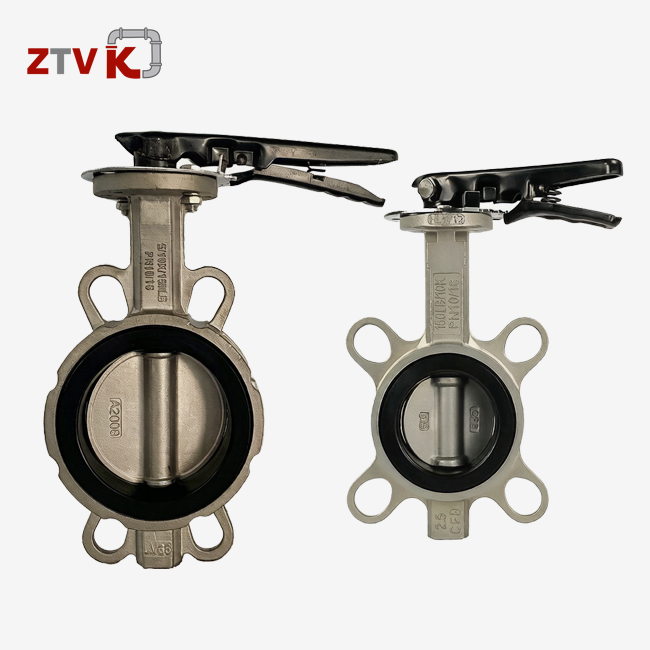
With a stem or motor that turns a disk, a double flanged butterfly valve operates. When the disk is not in line with the flow, the valve closes. When it is, the valve opens. Wafer- or lug-style valves are not the same as this style of valve because this style has lips on both the entering and leaving sides. Different bolts can be used on different piping flanges in this setup. This makes the structure more stable and makes upkeep easier. Because it has two flanges, the valve is not affected by the pipe force from the outside. That way, the body won't change shape, and the valve will always seal properly.
Key Components and Materials
There are several important parts that make up the valve assembly. Iron that can be shaped, carbon steel, or stainless steels such as SS304, SS316, SS304L, and SS316L are often used to make the body. It's easy for these materials to keep their shape and not rust, even in harsh conditions. The disk that controls flow can be made of ductile iron (DI), CF8, CF8M, or aluminum bronze, depending on the task at hand. Some of the things that are used to make chairs are EPDM, NBR, PTFE, and VITON. These things were picked because they can handle different temperatures, work well with chemicals, and seal well. If you choose the right mix of materials, you can be sure that the product will last and work well in certain situations.
Size and Pressure Ratings
There are sizes of double-flanged butterfly valves that range from 2 inches to 80 inches (DN50 to DN2000 mm), so they can be used for both small connections and big commercial pipes. You can use them with low to high pressures because most of the pressure numbers are in line with PN10 and PN16 standards. There are connecting standards like ISO5211, PN10/PN16, 125LB/150LB, and JIS5K/JIS10K/JIS16K that make sure they work with pipe systems from around the world. To get the best valve performance and avoid operating problems, it is important to choose the right size and pressure rating. Engineers should make sure that these specs closely match what their system needs to avoid issues like leaks, too much wear, or breaking down before it's supposed to.
Uses and Industrial Applications
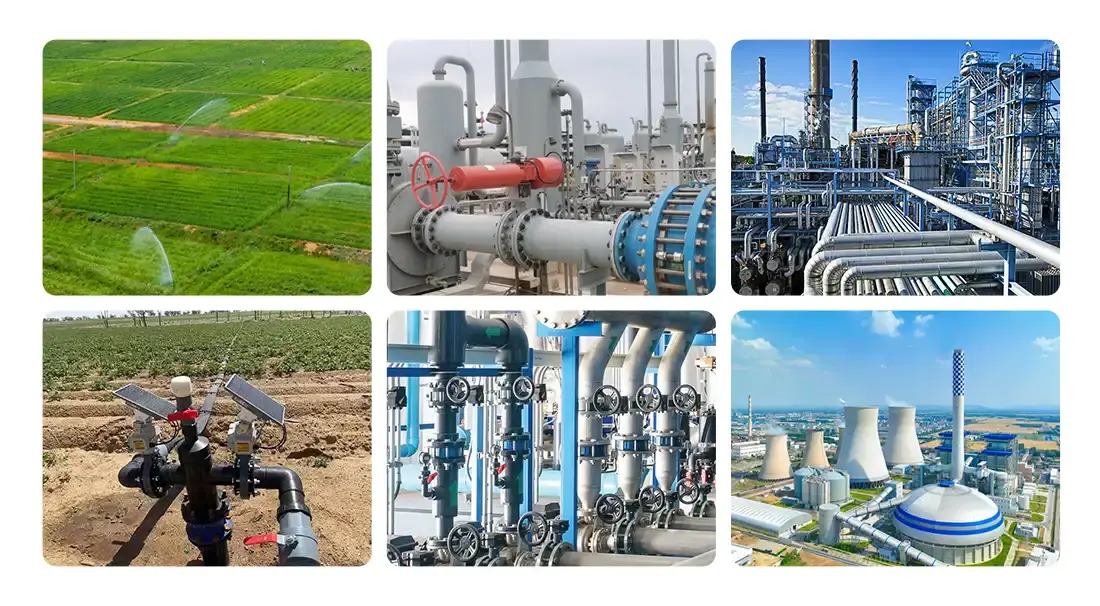
Water Supply and Municipal Engineering
Getting water to people and keeping it clean depends on valves that last a long time and work well. In this case, double-flanged butterfly valves work great because they can handle a lot of water with little pressure drop. Since they are built to last, they can handle the high flow rates and heat expansion cycles that happen in places like transmission mains and pumping plants. The flanged connection makes it easy to put together and gives the frame the support it needs for heavy use. A lot of city workers like these valves because they don't need much maintenance and last a long time. This means that they cost less to run in the long run.
HVAC and Fire Protection Systems
Buildings that are used for business or industry need precise flow control for their air, heating, and cooling systems to work properly. Butterfly valves with two flanges can safely stop flow and slow it down. This keeps the system in balance and saves energy. They are small enough to fit into small mechanical rooms, and the flanged connections make sure they are installed securely so there are no leaks. These valves are useful for fire protection systems because they can quickly turn off and seal well. When there is an emergency, models that can be triggered quickly separate areas or stop the flow of water to sprinkler systems. This makes the building safer and more in line with the rules.
Petrochemical and Energy Industries
Companies and factories that handle chemicals have to work in tough situations with corrosive fluids, high temperatures, and high pressures. The bodies of double flanged butterfly valve units made of stainless steel and the disks made of aluminum bronze or CF8M can handle both chemical and heat stress. Because it has two flanges, it is mechanically stable and can't become out of alignment, which could damage the seal. In power plants, where stability and durability are very important, these valves handle cooling water, feedwater, and steam vapor. It is very important to have these valves in energy infrastructure because they let you pick the right materials based on the process medium and how the system is being used.
Industrial Equipment and OEM Integration
Companies that make pumps, compressors, and processing equipment use butterfly valves to separate parts and control the flow of fluid in their systems. Double-flanged butterfly valves can be OEM-tailored, which means they can be changed to fit specific engineering needs. These valves can be used with many different types of machines because they can be made with various disk shapes, unique coatings, or unique ways to open and close them. Because the flanged body of the valve is so strong, it can handle the pressures and shocks that come with working with tools that turn. Clients who are OEMs like being able to pick the materials, pressure levels, and connection standards that work best with their goods.
Comparing Double Flanged Butterfly Valve with Alternatives
Double Flanged vs. Wafer Butterfly Valves
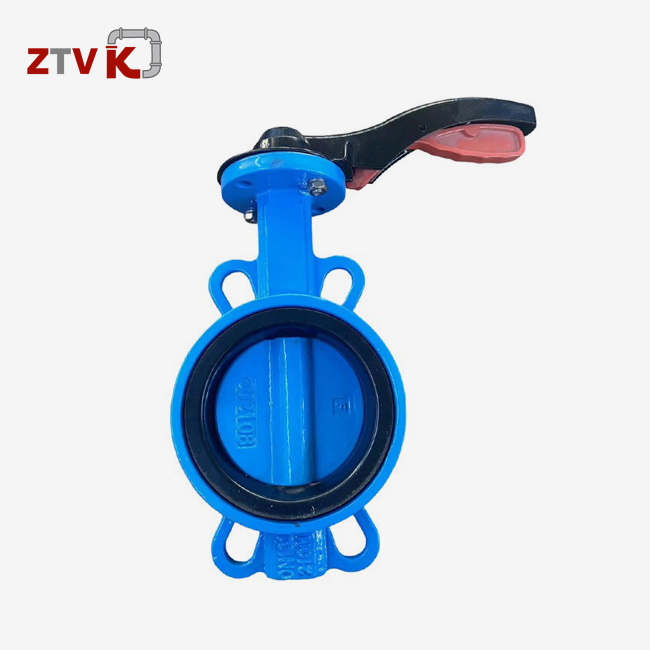
With their small size and light weight, wafer-style butterfly valves are great for setups that don't have a lot of space. In terms of strength, though, they're not as good as double-flanged types. A wafer valve's body is pressed against the flanges of the pipe by pipeline bolts. This moves the stress from the pipe to the valve. As time goes on, this can lead to misalignment and sealing issues, especially in systems that shake or go through heat cycles. On the other hand, double-flanged valves are bolted together separately. This means that pressures from outside the valve base don't affect the valve body. This helps the seal last longer and makes it easier to take out the pipe below without affecting the connection above.
Double Flanged vs. Ball Valves
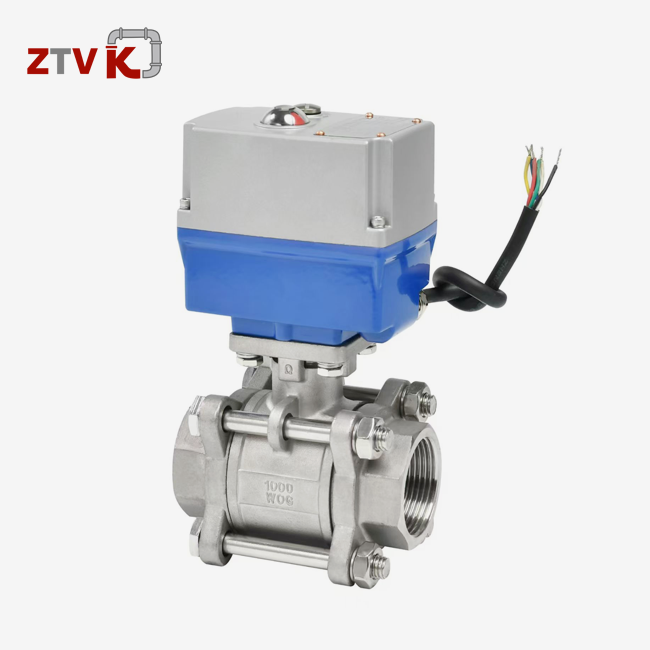
When ball valves are fully open, they let a lot of fluid flow through. They are also easy to close. But they are generally heavier, cost more, and need more room to be fitted than butterfly valves. When used for things with a big width, the price difference is big. Butterfly valves close pipes more quickly and easily than other types of valves that do the same job in most business settings. A butterfly valve is also easier to maintain because it usually doesn't need to be taken apart as much as a ball valve does to replace seats or seals. Buyers often pick butterfly valves when they need a tight stop but don't need the extra cost and complexity of ball valves.
Material Performance: Cast Iron vs. Stainless Steel
How well valves work and how much they cost over their whole life depend a lot on the material they are made of. Bodies made of cast iron or iron that can be shaped are cheap and can handle mild temperatures and fluids that don't rust. If you put them somewhere rough, they might rust, but they work great in water and neutral media. SS304, SS316, SS304L, and SS316L bodies don't rust, so they can be used in chemical processing, seawater, and other places with high standards of cleanliness. Stainless steel valves may cost more at first, but they are often worth it in the long run because they last longer and need less upkeep. When builders pick out materials, they should think about how much they cost and how long they will last.
Maintenance, Testing, and Quality Assurance
Routine Inspection and Preventive Maintenance
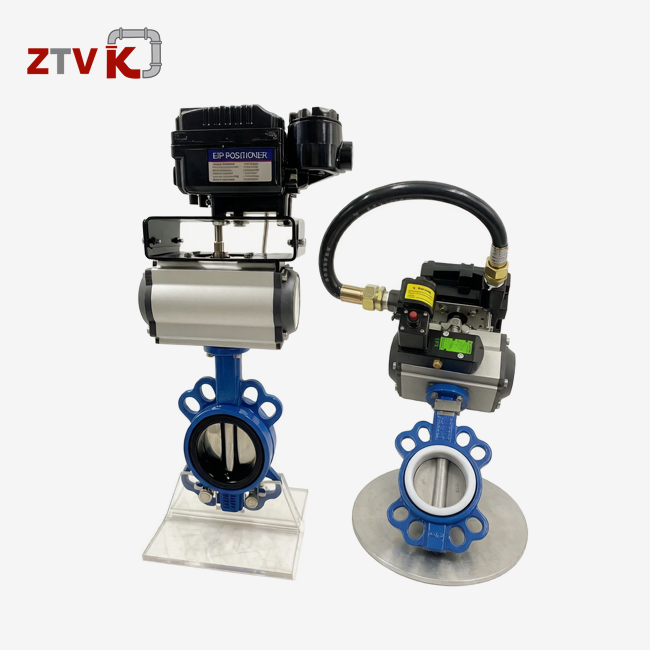
If you take care of your double flanged butterfly valve units on a daily basis, they will last longer and not break down when you least expect it. Each time the valve is used, the body should be checked for rust, cracks, and other damage. Regularly clean and test actuator systems to make sure they work, no matter if they have hand handles, worm gears, pneumatics, or electricity. Seals and seats can wear out over time, which can lead to leaks. By replacing these parts before they break, you can cut down on downtime and repair costs. The valves will stay in good shape for as long as they are useful if you set up a maintenance plan based on how they are used and what the maker recommends.
Leak Testing and Compliance Standards
Covering that doesn't let water in is important for safety and cost. Testing standards, such as those in ISO 5208 and API 598, make sure the seat is stable and that the body pressure values are right. Studies with water and gas show that the valve can handle certain forces without breaking or leaking. Buyers should ask suppliers for test certifications to make sure that goods meet standards from other countries. With ISO9001 quality management systems and certifications like CE or API, manufacturers show they care about quality and dependability. These guarantees keep investments safe and lower the chance that activities will go wrong.
Warranty and After-Sales Support
Sellers you can trust will give you full guarantees and quick customer service after the sale. A lot of the time, warranties cover problems with the products or the way they were put together for 18 to 24 months. The product is more useful if you can get professional support, help with installation, and help with fixing problems. When help is needed, suppliers with partnerships or service networks in the area can come to the site. This cuts down on downtime. When picking a provider, checking out their after-sales services can help you make sure you have access to tools and help in the long term. This can make things run more smoothly and lower the total cost of ownership.
Procurement Guide for Double Flanged Butterfly Valves
Selecting the Right Specifications
To choose the right valve, you need to think carefully about how it will be used. The pressure range, temperature range, and media qualities of the valve determine how useful it is for a given task. It is the job of the engineers to make sure that the present infrastructure can handle the connection standards (ISO5211, ANSI, JIS) and pressure values (PN10, PN16). Making sure that materials can work with process fluids will keep them from rusting or wearing out too quickly. What kind of electric, hand lever, worm gear, or hydraulic actuator you pick will depend on how often you need to automate something and what services are out there. Writing these criteria down makes it easier to get accurate quotes and lowers the chance of making mistakes during the procurement process.
Evaluating Suppliers and Delivery Schedules
When you buy from reputable companies, you can be sure of the quality of the goods and the safety of the supply chain. Suppliers with ISO9001, ISO14001, or OHSAS18001 marks show that they follow rules about quality, safety, and the environment. You can keep your project on track by keeping an eye on production capacity, stocking levels, and wait times. Standard sizes (DN50–DN600) that are in stock at makers can be sent out within days. However, it may take a few weeks for custom orders. It takes less time and costs less to ship things when you are close to big ports like Tianjin. It's easier to buy things from other countries when sellers are flexible and have good logistics connections. They offer clear FOB or CIF prices.
Bulk Purchasing and Customization Benefits
Economies of scale help people who buy a lot, like EPC companies and wholesalers. The price per unit goes down when you buy in bulk, which is good for your project budgets or your cash flow. Brand names, packages, and designs can be changed by OEM and ODM suppliers, which makes distributors stand out in the market. Some operational problems can be fixed by offering customization options, such as different coatings, sealing materials, or connection layouts. You can get better prices and faster production by negotiating long-term supply deals that promise a certain amount of goods. This will keep supplies steady even when demand is high.
Conclusion
Double flanged butterfly valves are strong and reliable flow controllers that can be used in many commercial settings. They are made of many different materials, are mechanically stable, and are great for OEM integration projects in water treatment, HVAC, oil, and other fields. It is possible for procurement workers to choose valves that meet performance, cost, and durability needs by learning about the valves' design features, material options, and how they will be used. To make operations more efficient and cut down on lifecycle costs, you can look at different choices, plan upkeep, and only work with reliable suppliers. If people pay attention to quality, compliance, and help after the sale, their fluid control systems will work well and last a long time.
Frequently Asked Questions
1. What factors influence the lifespan of a double flanged butterfly valve?
The materials used, how it is used, and how well it is taken care of all affect how long a valve lasts. The bodies and seats are made of stainless steel and new materials that don't rust or wear down easily, so they last longer. When the sizes are right, flow speeds that are too fast don't happen, which makes erosion go faster. By checking it often, changing seals when they wear out, and greasing the actuator, you can keep it running well for decades. Extreme temperatures and chemicals in the environment can also make or break a person's life. Picking the right materials and following repair plans will help you get the most out of valves.
2. Can double flanged butterfly valves be customized for specialized requirements?
Yes, you can change it in a lot of ways. The disk geometries, seat compounds, and connection standards can all be changed by the maker to fit the needs of different uses. OEM services include branding, packaging, and engineering help that are all made just for the customer. Businesses that sell goods to customers work with them to find custom solutions. This could mean changing the pressure rates, adding protective coatings, or adding special motors. Talking about specific needs during the quote process makes sure that the final product meets the needs of the business.
3. How do double flanged butterfly valves compare in cost and performance to other valve types?
Most of the time, butterfly valves are cheaper, lighter, and easier to keep up than ball or gate valves. Because they are small, they can be used for big tasks when space and cash are limited. When there is a lot of pressure, ball valves are better at shutting off, but butterfly valves seal just as well and are much cheaper for most business uses. Performance tests should look at things like pressure, temperature, and material that are relevant to the job in order to find the most cost-effective choice.
Partner with ZTVK for Reliable Double Flanged Butterfly Valve Solutions
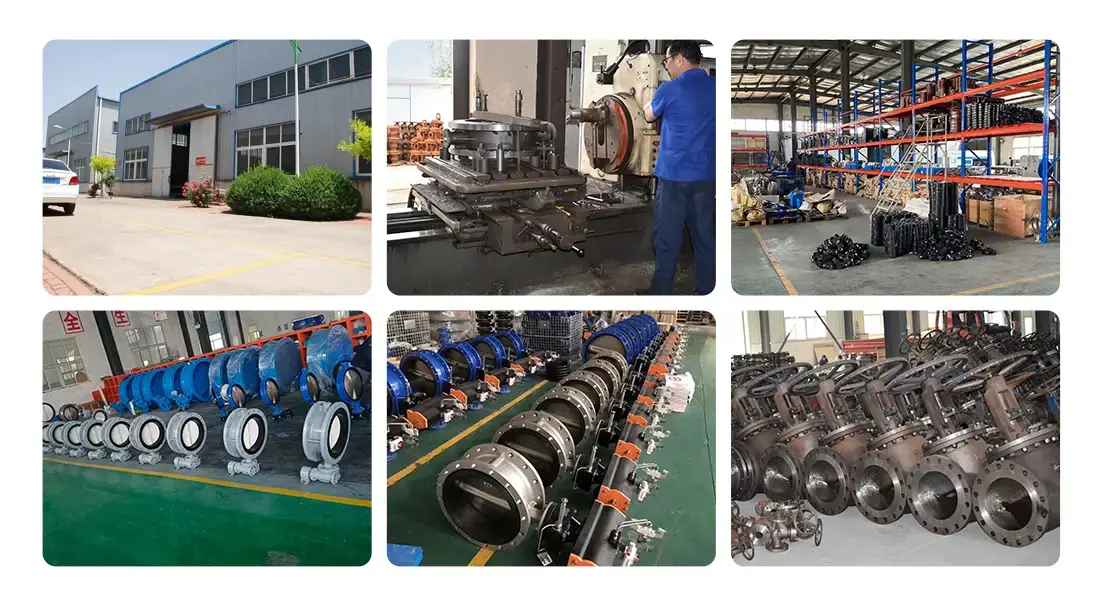
ZTVK, a well-known Chinese company with headquarters in Tianjin, is a good place for businesses to buy high-performance double flanged butterfly valve units. ZTVK has been studying and making valves for more than 15 years. They have a large range of double-flanged butterfly valves in sizes from DN50 to DN2000 mm that meet PN10 and PN16 standards for pressure. Our products are made with high-quality materials like stainless steel (SS304/SS316/SS304L/SS316L), aluminum bronze disks, and advanced seat compounds such as EPDM, NBR, PTFE, and VITON to make sure they last and don't rust in harsh environments.
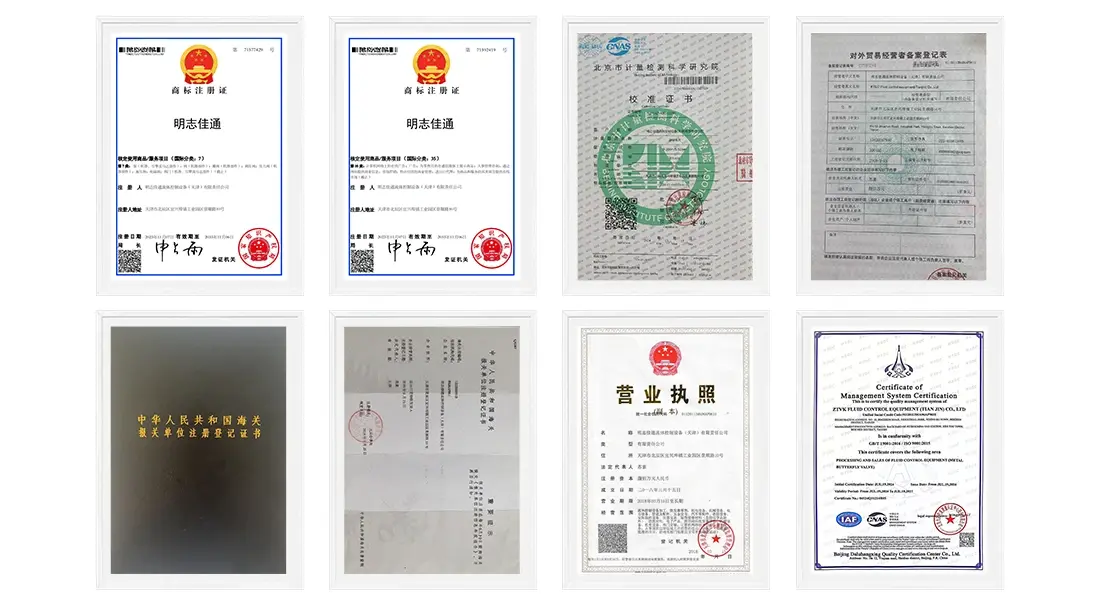
We have more than 2,000 popular types in stock, so it only takes 3–7 days to send them. Custom orders take between 15 and 25 days to finish, but there are ways to speed them up. We care about quality, safety, and the environment, as shown by our ISO9001, ISO14001, and OHSAS18001 seals. We're only 50 km from Tianjin Port, which is very handy, and we can ship FOB and CIF quickly because we work with big airlines. There are many ways that ZTVK can meet your needs, whether you need OEM branding, custom engineering, or deals for buying in bulk. They also have quick technical support and a warranty that lasts for 18 months. We can help you improve your fluid control systems. Email us at ktec86961886@163.com for a unique price.
References
1. American Petroleum Institute (2019). API Standard 609: Butterfly Valves – Double Flanged, Lug- and Wafer-Type. Washington, DC: API Publishing Services.
2. International Organization for Standardization (2018). ISO 5752: Metal Valves for Use in Flanged Pipe Systems – Face-to-Face and Centre-to-Face Dimensions. Geneva: ISO Central Secretariat.
3. Smith, J.R., & Thompson, L.M. (2020). Industrial Valve Selection and Maintenance: A Practical Guide for Engineers. New York: McGraw-Hill Professional.
4. British Standards Institution (2017). BS EN 593: Industrial Valves – Metallic Butterfly Valves for General Purposes. London: BSI Standards Limited.
5. Chen, W., & Liu, H. (2021). Advances in Flow Control Technology: Materials, Design, and Applications. Singapore: Springer Nature.
6. National Association of Corrosion Engineers (2019). NACE MR0175/ISO 15156: Petroleum and Natural Gas Industries – Materials for Use in H2S-Containing Environments. Houston: NACE International.
Send us your valve requirements and our team will provide professional solutions and fast quotations.
RELATED INDUSTRY KNOWLEDGE