- English
- French
- German
- Portuguese
- Spanish
- Russian
- Japanese
- Korean
- Arabic
- Greek
- German
- Turkish
- Italian
- Danish
- Romanian
- Indonesian
- Czech
- Afrikaans
- Swedish
- Polish
- Basque
- Catalan
- Esperanto
- Hindi
- Lao
- Albanian
- Amharic
- Armenian
- Azerbaijani
- Belarusian
- Bengali
- Bosnian
- Bulgarian
- Cebuano
- Chichewa
- Corsican
- Croatian
- Dutch
- Estonian
- Filipino
- Finnish
- Frisian
- Galician
- Georgian
- Gujarati
- Haitian
- Hausa
- Hawaiian
- Hebrew
- Hmong
- Hungarian
- Icelandic
- Igbo
- Javanese
- Kannada
- Kazakh
- Khmer
- Kurdish
- Kyrgyz
- Latin
- Latvian
- Lithuanian
- Luxembou..
- Macedonian
- Malagasy
- Malay
- Malayalam
- Maltese
- Maori
- Marathi
- Mongolian
- Burmese
- Nepali
- Norwegian
- Pashto
- Persian
- Punjabi
- Serbian
- Sesotho
- Sinhala
- Slovak
- Slovenian
- Somali
- Samoan
- Scots Gaelic
- Shona
- Sindhi
- Sundanese
- Swahili
- Tajik
- Tamil
- Telugu
- Thai
- Ukrainian
- Urdu
- Uzbek
- Vietnamese
- Welsh
- Xhosa
- Yiddish
- Yoruba
- Zulu
Stainless Steel Spring Check Valves for Corrosive Systems
When corrosive media threaten pipeline integrity, stainless steel spring check valves emerge as the reliable solution for preventing backflow and protecting critical infrastructure. These specialized components combine corrosion-resistant materials with spring-loaded mechanisms to deliver consistent performance in harsh chemical environments. Unlike traditional check valves, spring-assisted designs respond rapidly to pressure changes, closing before reverse flow occurs and dramatically reducing water hammer effects. For distributors, contractors, and industrial operators facing aggressive fluids, understanding the unique advantages of these valves transforms procurement from a routine purchase into a strategic investment in system longevity and operational safety.
Understanding Stainless Steel Spring Check Valves in Corrosive Systems
Backflow protection is an important part of keeping pipelines safe, especially when working with acidic materials that can hurt equipment and lower the quality of the product. Spring check valves have an internal spring mechanism that helps the disk close, even if the flow changes direction or gravity pulls it back. This design responds more quickly than swing-style options, and it protects pumps and equipment further downstream from damaging reverse waves.
How Spring Mechanisms Enhance Performance
The spring part keeps the valve disk shut even when there isn't much differential pressure. This means that these valves can be used in setups that are horizontal, vertical, or at an angle. Standard cracking pressures are between 0.5 and 2.0 PSI, but they can be changed to fit the needs of the system. This low-resistance design keeps the shutdown tight while minimizing pressure drop. This is very important for keeping the process running smoothly in water treatment plants and chemical transfer lines.
Material Advantages in Corrosive Applications
Grade 304 stainless steel is very good at resisting rust and weak acids, so it can be used in water systems and food processing areas where the temperature stays below 400°F. Grade 316 stainless steel is needed when it comes into contact with salt water, chlorides, or acidic compounds. This is because it contains molybdenum, which makes it much more resistant to pitting and crevice corrosion. The 2-inch socket weld design makes stable, leak-tight connections that work well with systems that are heated to 120°C, like those in reverse osmosis desalination plants and steam condensate return lines.
Socket weld end connections make full-penetration joints that get rid of threaded leak tracks. This is especially helpful in systems that are hard to get to for upkeep. The round body shape makes it easier for smooth flow, which lowers turbulence and erosion-corrosion at entry points. When properly kept, these building features make the product last longer than 50,000 cycles, making it much better than carbon steel alternatives in settings that are acidic or chloride-rich.
Types and Comparative Analysis of Stainless Steel Spring Check Valves
In order to choose the right stainless steel spring check valves arrangement, you need to know how different designs work in different situations. Inline spring check valves keep the disk and spring inside a straight-through body, which makes them small enough for installations with limited space. Lift-type versions put the disk perpendicular to the flow and make it move vertically against the tension of the spring. This works best for clean fluids where particles won't get in the way of movement.
Compact Designs for Tight Spaces
Y-pattern spring check valves angle the cylinder with the spring away from the main flow line. This lowers the pressure drop and makes it easier to do repairs. This setup works well for programs that need to be checked often without shutting down the machine. Dual-plate wafer-style spring checks cut the disk into flexible pieces that can be installed between flanges with very little length needed. This makes them a great choice for adding to existing pipeline systems.
Performance Comparisons with Alternative Check Valve Types
Swing check valves rely on gravity and backward flow to close the disk. This means that they respond more slowly and can cause water hammer when they close quickly. Even though they are cheaper at first, swing checks have to be installed horizontally and wear out quickly when they have to deal with the pulsating flows that are common in chemical dosing systems. Ball check valves do a great job of closing, but because they limit flow, they cause higher pressure drops, which makes them less useful for high-volume water uses.
Piston-style check valves allow the disk to move smoothly and securely, but they collect debris in acid slurries and need to be taken apart often. These problems can't happen with spring check valves because they clean themselves every cycle and can be mounted in any direction. The spring charge keeps the good seal even when the flow rate is low. This stops weeping, which can contaminate product streams in food and drug processing.
Procurement Considerations and Supplier Guidance for Stainless Steel Spring Check Valves
Pressure is building on global valve wholesalers to find a balance between lowering costs and making sure the supply chain works well. Most bulk price structures give discounts of 15% to 30% on orders of 100 or more units, but the savings aren't worth much if inconsistent quality causes failures in the field and warranty claims. If you look at a company's ISO 9001 certification, you can be sure that its quality management systems are up to par. If they also follow API 594 and ASME B16.34, you can be sure that they follow the measurements and temperature-pressure standards that are accepted in all foreign markets.
Navigating Lead Times and Logistics
Standard 2-inch spring check valves from well-known brands can be shipped within 3–7 days if they are bought from local stock, which is very important for wholesalers who use just-in-time inventory models. Depending on how complicated they are, custom changes like different seat materials, special finishes, or non-standard pressure levels can make production take 15 to 25 days longer. Knowing these dates helps procurement teams make sure that valve deliveries don't clash with project schedules and that they don't have to pay extra for fast freight.
Total landed costs are greatly affected by how close a location is to major shipping hubs. When manufacturers are close to container ports, they save money on interior transportation costs and make export paperwork easier. This is especially helpful when organizing packages from multiple countries to regional distribution centers. FOB and CIF pricing transparency lets you compare costs accurately, showing hidden fees that eat away at the savings you get from cheaper sources at first.
Evaluating OEM Capabilities and Support Services
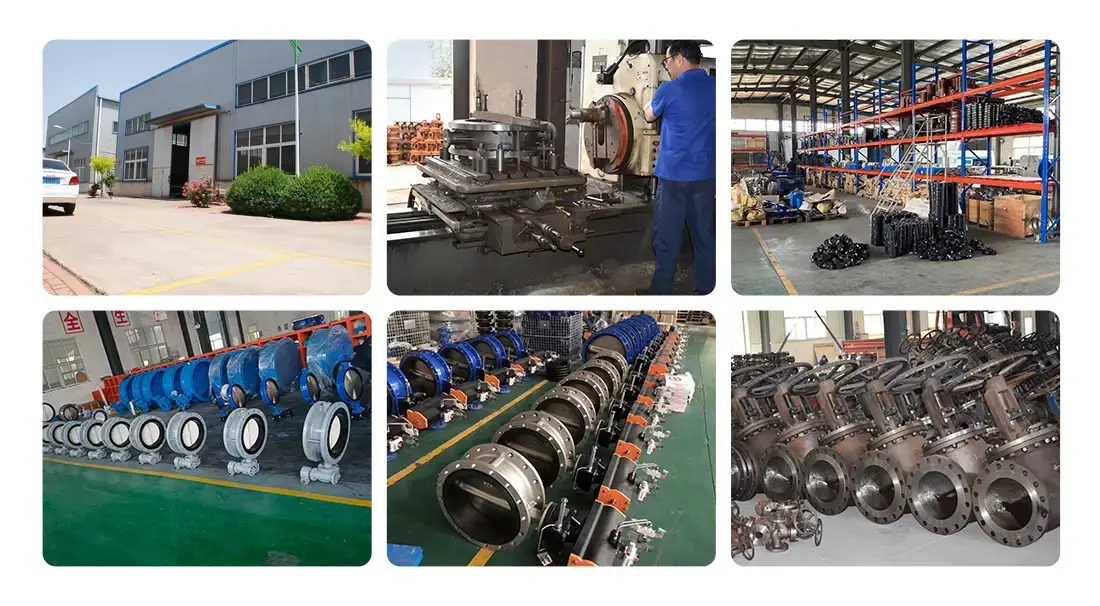
ZTVK shows the all-around method that distributors should look for when they join forces with a source for stainless steel spring check valves. The company is based in Tianjin's Beichen District and has direct access to Xingang Port. They keep more than 2,000 standard valve units in stock so they can quickly complete jobs that need to be done. They have been making things for 15 years and have ISO 9001, ISO 14001, and OHSAS 18001 certifications. They can also do all kinds of tests, from chemical analysis of the materials to hydrostatic pressure testing.
ZTVK's OEM and ODM programs do more than just make products available. They also meet the customization needs that set successful wholesalers apart in competitive markets. Private labeling services include custom packaging, customer branding, and design changes based on the region. For example, stem protection that is stronger for high-dust environments in the Middle East or epoxy resin coatings that work best for humid Southeast Asia. The 18-month warranty period is longer than the norm in the industry. This shows that the company is confident in the quality of the products it makes and protects distributors from the costs of managing warranties. Technical help that includes everything from CAD plans to installation movies makes customer service easier, so distribution teams can focus on increasing sales instead of fixing problems.
Maintenance, Troubleshooting, and Performance Optimization
Even though stainless steel is naturally resistant, corrosive media slowly wear down valve internals. This means that proactive maintenance is necessary to meet design life expectations. Visual checks should be done every three months to look for corrosion on the outside, seat leaks, and strange noises while the machine is running. As part of the annual takedown process, the spring tension is checked, the disk surface is checked for pits, and if obvious scoring is shown, the seat is replaced.
Cleaning Procedures for Aggressive Chemicals
When chemicals build up on the sides of disks, they create uneven binding forces that cause them to fail before they should. After being exposed to strong acids or alkalis, flushing valves with neutralizing solutions gets rid of residues before they harden into scale. Instead of rough cleaning methods that damage sealing surfaces, use soft brushes with approved chemical cleaners that are the same color as the process media. This attention to detail makes it possible for longer periods of time between big repairs, which lowers the overall cost of ownership.
Identifying and Preventing Common Failure Modes
Leakage past the seat usually means that either particles are preventing the valve from closing all the way or chemicals are attacking and breaking down the elastomer parts. When used between 250°F and 400°F, switching from PTFE seats to Viton seats fixes temperature-related wear and tear. Upgrading to metal-seated designs gets rid of all rubber problems for extreme chemical exposures. Chattering during operation means that either the spring preload is too low or the valve selection is too big for the flow rates that are actually happening. This can be fixed by replacing the spring or reducing the size of the valve.
Corrosion products build up in guide channels, which can cause disks to stick, especially when valves are not being used for long periods of time. Freeze-up can be avoided by exercising valves once a month during maintenance sessions, and root causes can be removed by choosing the right materials based on the real corrosive conditions. New inventions like PEEK and ceramic coatings make things even more resistant to chemicals. This means that they don't need to be serviced as often in harsh environments like hypochlorite service and brine handling.
Conclusion
When choosing stainless steel spring check valves for systems that are corrosive, you have to balance technical requirements with the supplier's capabilities and the total cost. The spring-loaded closure mechanism stops backflow better than alternatives that depend on gravity. The 304 and 316 stainless steel construction is resistant to chemical attacks that quickly wear down carbon steel parts. Permanent systems that won't leak are made possible by two-inch socket weld designs. These are great for water treatment, desalination, and food processing at temperatures up to 120°C. To be successful in procurement, you need to work with manufacturers that can show they have ISO certifications, the ability to test everything, the flexibility to make changes, and reliable logistics networks. Proactive repair plans that deal with chemical buildup and replace parts on a regular basis extend the life of valves, keeping the system's integrity safe and reducing unexpected downtime.
Frequently Asked Questions About Stainless Steel Spring Check Valves
1. Can spring check valves operate in vertical pipeline orientations?
Because the spring system actively closes the disk no matter what the gravity is, spring-loaded designs work well in vertical upflow, downflow, and horizontal placements. This makes them different from swing check valves, which need to be mounted horizontally so that gravity can close them properly.
2. What factors determine whether to specify 304 or 316 stainless steel?
Grade 304 is good enough for use in fresh water, light chemicals, and food-grade situations where it won't be exposed to salt. Molybdenum's superior pitting resistance makes Grade 316 necessary in places with salt water, acids, chlorides, or ocean air. This is an important difference that keeps the steel from breaking too soon.
3. How do socket weld connections compare to threaded or flanged alternatives?
Socket weld joints make lasting, full-penetration welds that stop threaded leak tracks and give the same strength as the pipe. This setup works well for high-pressure, corrosive services where disassembly isn't expected. Flanged connections, on the other hand, make maintenance easier in the future but cost more at first.
4. What customization options address unique corrosive conditions?
Manufacturers offer different seat materials, such as PTFE, Viton, and metal-to-metal designs. Each is best for a certain range of temperatures and chemicals. For low-head uses, custom spring rates can change the cracking pressure, and special finishes like PEEK make the parts more resistant to harsh chemicals.
Partner with ZTVK for Reliable Stainless Steel Spring Check Valve Supply
Distributors looking for a reliable manufacturer of stainless steel spring check valves will find that ZTVK can meet even the most difficult purchasing needs with its fast delivery, technical know-how, and ability to make modifications to fit specific needs. Our Tianjin plant keeps a large stock of 2-inch socket weld valves in grades 304 and 316, so they can be shipped the same week for projects that need them right away. The engineering team offers free help with choosing the right valves, CAD models, and pressure-temperature calculations to make sure your customers' corrosive systems have the best valves possible. OEM branding programs offer private labeling, custom packaging, and design changes that are specific to a region, all of which make your business more competitive. Our supply chain lowers your landing costs with COSCO and Maersk shipping partnerships that offer competitive CIF prices. 18-month warranties protect your customer relationships. Email our technical sales team at ktec86961886@163.com to talk about how our corrosion-resistant valve solutions can help your business growth goals in North America, Europe, and the Middle East.
References
1. American Petroleum Institute. API Standard 594: Check Valves—Flanged, Lug, Wafer and Butt-welding. Washington, DC: API Publishing Services, 2017.
2. ASME International. ASME B16.34: Valves—Flanged, Threaded, and Welding End. New York: American Society of Mechanical Engineers, 2020.
3. Davis, J.R. Corrosion of Stainless Steels: ASM Specialty Handbook. Materials Park, OH: ASM International, 2000.
4. Skousen, Philip L. Valve Handbook: Third Edition. New York: McGraw-Hill Education, 2011.
5. Smith, Peter. The Fundamentals of Piping Design: Drafting and Design Methods for Process Applications. Houston: Gulf Publishing Company, 2007.
6. Zappe, R.W. Valve Selection Handbook: Engineering Fundamentals for Selecting the Right Valve Design for Every Industrial Flow Application. Burlington, MA: Elsevier Science, 2004.
Send us your valve requirements and our team will provide professional solutions and fast quotations.
RELATED INDUSTRY KNOWLEDGE