- English
- French
- German
- Portuguese
- Spanish
- Russian
- Japanese
- Korean
- Arabic
- Greek
- German
- Turkish
- Italian
- Danish
- Romanian
- Indonesian
- Czech
- Afrikaans
- Swedish
- Polish
- Basque
- Catalan
- Esperanto
- Hindi
- Lao
- Albanian
- Amharic
- Armenian
- Azerbaijani
- Belarusian
- Bengali
- Bosnian
- Bulgarian
- Cebuano
- Chichewa
- Corsican
- Croatian
- Dutch
- Estonian
- Filipino
- Finnish
- Frisian
- Galician
- Georgian
- Gujarati
- Haitian
- Hausa
- Hawaiian
- Hebrew
- Hmong
- Hungarian
- Icelandic
- Igbo
- Javanese
- Kannada
- Kazakh
- Khmer
- Kurdish
- Kyrgyz
- Latin
- Latvian
- Lithuanian
- Luxembou..
- Macedonian
- Malagasy
- Malay
- Malayalam
- Maltese
- Maori
- Marathi
- Mongolian
- Burmese
- Nepali
- Norwegian
- Pashto
- Persian
- Punjabi
- Serbian
- Sesotho
- Sinhala
- Slovak
- Slovenian
- Somali
- Samoan
- Scots Gaelic
- Shona
- Sindhi
- Sundanese
- Swahili
- Tajik
- Tamil
- Telugu
- Thai
- Ukrainian
- Urdu
- Uzbek
- Vietnamese
- Welsh
- Xhosa
- Yiddish
- Yoruba
- Zulu
How to Select a Sea Water Butterfly Valve for Desalination
Selecting the right seawater butterfly valve is crucial for reliable, efficient desalination plant operations. When your facility processes thousands of gallons of corrosive seawater daily, valve failure isn't just an inconvenience—it's a costly operational shutdown that affects water supply to entire communities. Seawater valves must withstand relentless chloride attack, biofouling, and abrasive suspended solids while maintaining precise flow control. This guide addresses the core concerns of procurement managers, engineers, distributors, and OEMs: how to identify marine valves that deliver corrosion resistance, dimensional accuracy, and long-term reliability in desalination applications. We'll walk through material specifications, actuation choices, compliance standards, and practical procurement strategies to help you make informed decisions that protect your investment and ensure uninterrupted plant performance.


Understanding Sea Water Butterfly Valves and Their Role in Desalination
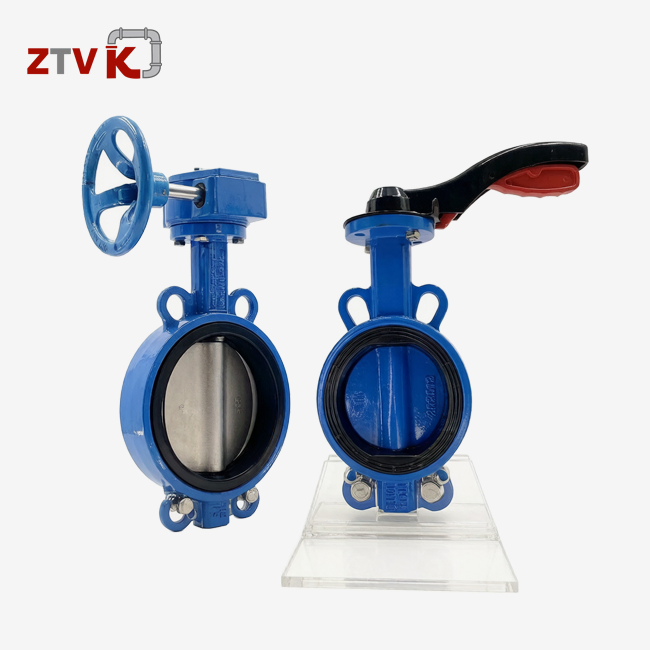
Sea water butterfly valves are specialised quarter-turn flow control devices made to handle the intake of raw seawater, the release of brine, and the separation of processes in desalination plants. Standard industrial valves break down quickly when they come into contact with saltwater, but these parts are made of corrosion-resistant disc and body materials that are made to withstand long-term chloride exposure. Their spinning disc mechanism has a small installation size and low pressure drop, which are both very important in desalination plants that are limited on space because the pipeline route has to fit reverse osmosis membranes, energy recovery devices, and chemical dosing systems.
Why Desalination Plants Demand Specialized Valves
Desalination settings have their own set of operating challenges. There are about 35,000 parts per million of dissolved salts, sand particles, and marine creatures in raw seawater that speed up the wear on internal parts. Standard carbon steel or basic stainless steel valves can rust, pit, and crack at the gasket surfaces. They can also be damaged by galvanic attack when metals that are not the same type come into contact with seawater. Marine-grade butterfly valves deal with these problems by using the right materials and coverings that protect them and make them last longer than 50,000 rounds of use. The wafer-type connection method used in these valves makes them easier to install and less heavy to maintain, which is important when working with large-diameter input lines from DN40 to DN1200.
Key Design Features for Marine Service
Modern butterfly valves for saltwater have a number of safety features built into them. The choice of disc material—ductile iron, CF8/CF8M stainless steel, or aluminium bronze—determines how well it resists rust and how strong it is. Aluminium bronze naturally doesn't allow biofouling to form and forms a protected oxide layer. This makes it especially useful for use in warm waters. The seat material is the main binding contact. For general use, EPDM is very flexible and resistant to chemicals, while VITON can handle high temperatures in thermal treatment processes. PTFE seats have the least amount of friction and last the longest, but they need to be machined to very tight standards. The ductile iron (DI/QT450) used to make the body is a good mix of strength and cost. The outside areas are usually coated with epoxy to protect them from salt spray from the air.
Critical Factors to Consider When Selecting a Sea Water Butterfly Valve
Material Compatibility and Corrosion Resistance
The choice of material has a direct effect on how long a valve lasts and how much it costs over its whole life, sea water butterfly valves. Ductile iron bodies offer good structural stability at a reasonable cost. They can be used for underground pipes and safe indoor installs when they are properly covered. CF8 (which is the same as 304 stainless steel) doesn't rust in most situations, but it can still crack from chloride stress in warm, still saltwater above 60°C. CF8M (316 stainless steel) has molybdenum added to it, which makes it much less likely to crack. This makes it the best standard for naval work in saltwater. It is better for aluminium bronze plates to prevent rust naturally, rather than just using protective coatings, but they cost more to make. When choosing a material, you should think about more than just the original cost. You should also think about how often it will need to be maintained and replaced over the next 15 years.
Actuation Method Selection
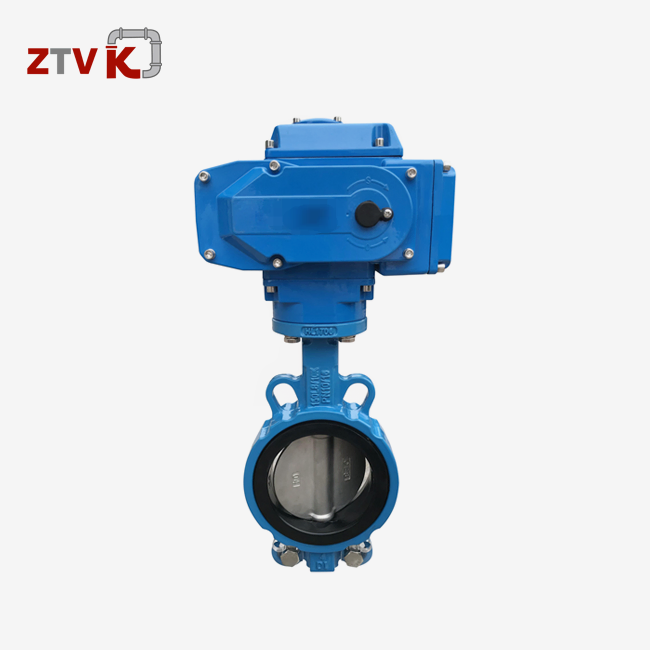
There are four main ways that desalination plants move things, and each one works best for a different set of working needs. Hand lever action makes it easy to control smaller valves (usually DN40–DN200) by hand in places that aren't suitable for automation. This method gets rid of the need for a power source and the complexity of the control system that comes with it. Because they use mechanical advantage, worm gear actuators make it possible for one person to handle valves up to DN600 without having to put in a lot of extra work. Pneumatic actuators have short stroke times and fail-safe placement through spring-return mechanisms. This makes them perfect for automatic process control loops and emergency shutdown valves where there is already compressed air infrastructure. Modern robotic desalination plants need electric motors for accurate placement, remote control, and interaction with SCADA systems. This is because centralised tracking cuts down on hiring costs and allows for proactive repair plans.
Pressure Rating and System Compatibility
The working pressure requirements need to take into account both regular function and short-term surges. Most low-pressure saltwater input and delivery systems can use valves with ratings of PN10 (10 bar) or PN16 (16 bar). However, high-pressure reverse osmosis systems may need valves with ratings of 150LB (about 20 bar) or higher. As long as the connection standard is followed, the flange bolt pattern and gasket dimensions will be the same across manufacturers. Pressure class designations (PN10/PN16/125LB/150LB/JIS5K/JIS10K/JIS16K) must match existing pipeline flanges to avoid installation delays. When compared to flanged body designs, wafer-type construction cuts face-to-face dimensions by about 40%. However, it is important to choose the right length stud bolts to keep tension on both body sides at the same time. If you tighten the bolts too much, the body casting could crack, or the disc could bend, which would cause the seal to wear out faster than it should.
Size Selection and Flow Characteristics
The size of the valve affects both the cost of capital and how well it works, sea water butterfly valve. Undersized valves cause too much pressure drop, which uses more energy from the pump and could cause damage from cavitation. Oversized valves cost more and are heavier than they need to be. They can also make the control less stable at low flow rates when the disc is close to being closed. When engineers do their maths, they need to take into account the highest design flow rate, the amount of pressure loss that is allowed, and the turndown ratio needed. The ZTVK product range goes from 1.5" to 48" (DN40 to DN1200), so it can fit everything from small test lines to major intake heads that handle 50,000 cubic meters of water every day. Larger diameter valves gain most from wafer-type construction. For example, a DN1200 flanged valve might weigh 800 kg, while an identical wafer design would weigh only 550 kg. This is a big difference when lifting and figuring out how to support the structure.
Comparing Sea Water Butterfly Valves with Alternative Valve Types
Butterfly valves are mostly competing with ball valves, gate valves, and knife gate valves when it comes to flow control options for desalination uses. Depending on the service conditions and operating goals, each style has its own benefits.
Ball valves can close completely and completely stop bubbles, so they can be used with slurry and in situations where there can be no leaks at all. However, their bigger size, higher torque needs, and higher number of parts mean that they are more expensive to install and harder to keep up. A DN600 ball valve usually weighs 60% more than a butterfly valve of the same size and needs motors that produce almost twice as much power. This means that the valve costs more to install and uses more energy over its lifetime.
When fully open, gate valves work great in situations where there needs to be little pressure drop, but they are slow to operate and can get damaged by solids in the fluid. The rising stem form needs more space, which makes fitting harder in pipe racks that are already full. Knife gate valves can help with some of these problems when used with heavy slurries, but they can't precisely slow down flow as needed for chemical doses in desalination and controlling membrane feed.
Butterfly valves are the best mix for most uses that need to remove salt from water. Their small-bodied form lowers the cost of materials, the weight of placement, and the need for pipe support. The quarter-turn operation makes it possible to quickly disconnect in an emergency, and the streamlined disc shape reduces noise and pressure loss when the flow is normal. Because it only has five main parts (the body, the disc, the shaft, the seat, and the actuator), the simpler design makes it easier to find replacement parts and fix problems. When it comes to maintenance tasks, single-component ball or gate valve systems usually require more specialised training.
Procurement Considerations for Bulk and Custom Sea Water Butterfly Valve Orders
Supplier Evaluation and Quality Assurance
Selecting a reliable valve manufacturer determines long-term operational success beyond initial price comparison. Certification credentials provide the first screening criterion: ISO9001 quality management, ISO14001 environmental compliance, and OHSAS18001 occupational health standards demonstrate systematic process control. Manufacturing capabilities matter equally—facilities equipped with CNC machining centers, dedicated large-diameter valve lathes, and material testing laboratories deliver more consistent dimensional accuracy than operations relying on manual processes and external testing services. ZTVK's Tianjin facility maintains in-house chemical analysis equipment, pressure testing systems, and material inspection capabilities that enable real-time quality verification rather than batch sampling after production completion.

Customization Options and OEM Support
Distributors and trading companies serving regional markets increasingly require product differentiation through branding and specification adaptation. OEM manufacturing support allows valve resellers to apply their own nameplates, packaging designs, and technical documentation while leveraging established production infrastructure. ODM services extend customization further, enabling modification of seat materials, coating specifications, or flange drilling patterns to match regional standards or unique end-user requirements. Projects involving non-standard pipeline configurations benefit from engineering support that translates operating conditions into appropriate material selections and dimensional specifications. ZTVK provides CAD drawings and 3D models during the quotation phase, allowing procurement teams to verify dimensional compatibility before committing to purchase orders for sea water butterfly valves.
Lead Time Management and Inventory Strategy
Balancing inventory carrying costs against project schedule risks requires understanding supplier production capacity and stock availability. Standard valve sizes (DN50-DN600) with common actuation configurations often ship from manufacturer inventory within 3-7 days, supporting emergency replacement scenarios and just-in-time procurement strategies. Non-standard specifications—custom disc materials, special seat compounds, or unusual actuation mounting—typically require 15-25 working days for manufacture, though expedited production may reduce this timeline at additional cost. Projects with firm completion deadlines benefit from early procurement of long-lead items and maintaining strategic spare parts inventory for critical isolation points. The proximity of ZTVK's Beichen District facility to Tianjin Port—just 50 kilometers—enables efficient container loading and reduces inland transportation costs for international shipments.
Maintenance Tips and Troubleshooting Common Issues
Preventive Maintenance Protocols
Establishing routine inspection schedules prevents minor issues from escalating into costly failures. Quarterly visual inspections should examine external surfaces for coating deterioration, fastener corrosion, and actuator mounting integrity. Semi-annual functional testing verifies smooth operation through full stroke cycles, identifying increased operating torque that signals internal wear or contamination. Annual teardown inspections of representative valves from the same production batch reveal seat compression set, disc surface condition, and shaft seal wear patterns that inform remaining service life projections. Lubrication requirements vary by actuation method: worm gear mechanisms require food-grade grease application every 500 cycles, while pneumatic actuators need air filter element replacement per manufacturer schedules to prevent moisture contamination and cylinder scoring.
Common Failure Modes and Resolution
Seal leakage represents the most frequent service issue, typically resulting from seat damage, debris entrapment, or excessive disc warpage. Minor leakage through a resilient seat often resolves through several full-stroke cycles that redistribute seat material and dislodge trapped particles. Persistent leakage requires valve removal, seat inspection, and replacement if permanent compression set or cutting damage appears. Actuator malfunction usually stems from limit switch misalignment, solenoid valve failure in pneumatic systems, or motor gear train wear in electric units. Maintaining manufacturer-recommended spare parts inventory—particularly seats, shaft seals, and actuator service kits—minimizes downtime during corrective maintenance. Documentation of failure incidents, including operating conditions and time-in-service data, supports root cause analysis and warranty claims when appropriate.
Conclusion
Selecting appropriate seawater butterfly valves for desalination service demands careful evaluation of material specifications, actuation methods, and supplier capabilities. Corrosion-resistant disc materials, resilient seat compounds, and protective body coatings determine operational longevity in harsh marine environments. Matching actuation type to operational requirements—manual, worm gear, pneumatic, or electric—optimizes control capability and lifecycle costs. Working with established manufacturers offering comprehensive certifications, in-house quality control, and responsive technical support reduces procurement risk and ensures compliance with international standards. The decision extends beyond initial purchase price to encompass delivery reliability, customization flexibility, and after-sales service that protects your investment throughout decades of continuous operation. Proper material selection, sizing accuracy, and maintenance protocols maximize valve performance while minimizing unplanned downtime in critical water treatment infrastructure.
FAQ
1. What makes seawater butterfly valves different from standard industrial valves?
Marine butterfly valves utilize corrosion-resistant materials specifically engineered to withstand continuous chloride exposure, biofouling, and abrasive suspended solids present in seawater. Standard industrial valves typically employ carbon steel or basic stainless steel that suffers rapid degradation in saltwater environments. Material specifications like aluminum bronze discs, CF8M stainless steel components, and specialized seat compounds (VITON, EPDM) extend service life to 15+ years in desalination applications versus 2-3 years for standard valves.
2. 3How do I choose between electric and pneumatic actuation?
Pneumatic actuators suit applications where compressed air infrastructure already exists, offering rapid stroke times (typically 2-5 seconds for quarter-turn) and inherent fail-safe capability through spring-return mechanisms. Electric actuators provide precise positioning for throttling service, SCADA integration for remote monitoring, and eliminate compressed air supply requirements. Projects prioritizing automation and centralized control favor electric actuation, while emergency isolation valves benefit from pneumatic spring-return designs that automatically close upon power or air supply failure.
3. Can ZTVK valves accommodate non-standard pipeline specifications?
The manufacturing facility supports extensive customization, including modified flange drilling patterns, special material combinations, and dimensional adaptations for unique installation constraints. ODM engineering services translate customer operating conditions into appropriate specifications. Contact our technical team at ktec86961886@163.com with pipeline details, pressure requirements, and environmental conditions for application-specific recommendations.
Partner with ZTVK for Reliable Seawater Valve Solutions
ZTVK delivers marine-grade butterfly valves engineered specifically for desalination applications, backed by ISO9001/ISO14001/OHSAS18001 certifications and over 15 years of manufacturing experience. Our seawater butterfly valves incorporate double-eccentric designs that reduce operating torque by 30% while extending service life beyond 50,000 cycles. As a trusted seawater butterfly valve manufacturer, we maintain 2000+ standard units in stock for rapid 3-7 day delivery, with flexible custom manufacturing supporting OEM branding and specification adaptation within 15-25 days. The Tianjin facility's proximity to Xingang Port ensures efficient international shipping, while partnerships with COSCO and Maersk provide reliable FOB/CIF quotations. Our engineering team provides complimentary valve selection consultation, CAD drawings, and technical documentation to streamline your procurement process. Reach out to ktec86961886@163.com today for application-specific recommendations, bulk pricing for distributors, or custom configuration support that addresses your unique desalination plant requirements.
References
1. American Water Works Association. (2018). Manual of Water Supply Practices M49: Butterfly Valves: Torque, Head Loss, and Cavitation Analysis. Denver: AWWA Publications.
2. Bahri, A., & Santos, M. (2021). "Material Selection for Seawater Desalination Components: Corrosion Resistance and Economic Analysis." Desalination and Water Treatment, 215, 89-103.
3. Det Norske Veritas. (2019). Recommended Practice DNV-RP-B401: Cathodic Protection Design for Marine Piping Systems. Oslo: DNV GL.
4. International Desalination Association. (2020). IDA Desalination Yearbook 2020-2021: Equipment and Materials Specifications. Topsfield: Global Water Intelligence.
5. National Association of Corrosion Engineers. (2017). NACE MR0175/ISO 15156: Materials for Use in H₂S-Containing Environments in Oil and Gas Production - Part 3: Cracking-Resistant CRAs and Other Alloys. Houston: NACE International.
6. Volk, M. (2019). Pump Characteristics and Applications, 4th Edition. Boca Raton: CRC Press, Chapter 12: "Valve Selection for Seawater and Brine Service."
Send us your valve requirements and our team will provide professional solutions and fast quotations.
RELATED INDUSTRY KNOWLEDGE