- English
- French
- German
- Portuguese
- Spanish
- Russian
- Japanese
- Korean
- Arabic
- Greek
- German
- Turkish
- Italian
- Danish
- Romanian
- Indonesian
- Czech
- Afrikaans
- Swedish
- Polish
- Basque
- Catalan
- Esperanto
- Hindi
- Lao
- Albanian
- Amharic
- Armenian
- Azerbaijani
- Belarusian
- Bengali
- Bosnian
- Bulgarian
- Cebuano
- Chichewa
- Corsican
- Croatian
- Dutch
- Estonian
- Filipino
- Finnish
- Frisian
- Galician
- Georgian
- Gujarati
- Haitian
- Hausa
- Hawaiian
- Hebrew
- Hmong
- Hungarian
- Icelandic
- Igbo
- Javanese
- Kannada
- Kazakh
- Khmer
- Kurdish
- Kyrgyz
- Latin
- Latvian
- Lithuanian
- Luxembou..
- Macedonian
- Malagasy
- Malay
- Malayalam
- Maltese
- Maori
- Marathi
- Mongolian
- Burmese
- Nepali
- Norwegian
- Pashto
- Persian
- Punjabi
- Serbian
- Sesotho
- Sinhala
- Slovak
- Slovenian
- Somali
- Samoan
- Scots Gaelic
- Shona
- Sindhi
- Sundanese
- Swahili
- Tajik
- Tamil
- Telugu
- Thai
- Ukrainian
- Urdu
- Uzbek
- Vietnamese
- Welsh
- Xhosa
- Yiddish
- Yoruba
- Zulu
SS butterfly valve vs. Wafer Valve: Which Is Better?
When procurement managers ask me this question, my honest answer is: it depends on what your pipeline system actually demands. A stainless steel butterfly valve delivers superior corrosion resistance, pressure tolerance, and material durability, making it the preferred choice for aggressive media or harsh environments. A wafer-style valve, by contrast, offers a compact, cost-efficient footprint suited for space-constrained installations. Understanding the structural and functional differences between an ss butterfly valve and a wafer valve is the clearest path to making a procurement decision you won't regret six months into a project.


Understanding SS Butterfly Valves and Wafer Valves
What Is an SS Butterfly Valve?
With a quarter-turn of 90 degrees, a stainless steel butterfly valve's disk on its center stem can control or stop the flow of fluid. The body is made of 304 or 316 stainless steel, which is resistant to oxidation, chloride exposure, and high temperatures. These features make it essential in petrochemical pipelines, seawater systems, and chemical processing plants. The nominal diameters of ZTVK's SS butterfly valves range from DN15 to DN1200 mm, and their nominal pressure ratings range from PN0.6 to PN1.6 MPa (150Lb–300Lb). These valves can be used with water, seawater, weak acids, oils, alcohols, and weak alkaline liquids.
What Is a Wafer Valve?
The term "wafer butterfly valve" refers to a type of link, not a material. Long bolts that go through the valve body hold it in place while it's between two pipe flanges. This form makes the face-to-face length very short, which lowers the weight of the material and frees up room for installation. Wafer valves are commonly used in fire protection networks, municipal water distribution systems, and HVAC systems with easy access to pipes on both sides. EPDM, nitrile (Buna-N), PTFE (Teflon), silicone rubber, and fluorine rubber are some of the most common types of seats. Each is designed to work with a different type of material and temperature range.
The important difference is that "stainless steel" refers to the material that the valve is made of, while "wafer" refers to how it links to the waterway. It is possible to buy a wafer-style valve with a body made of cast iron, stainless steel, or malleable iron. This overlap is where a lot of buyers get lost when they are speculating.

Comparison of SS Butterfly Valves vs. Wafer Valves: Key Performance Dimensions
Corrosion Resistance and Material Durability
In places where corrosion is a problem, SS butterfly valves work better than regular cast iron wafer valves. The body is made of 304 stainless steel, which can handle weak acids, salty media, and high working temperatures without losing its surface. While not in continuous service, ASTM International standards say that 304 stainless steel can keep its shape at temperatures up to about 870°C. When chlorinated water flows through cast iron wafer valves over long periods of time, they can develop internal pitting. These valves are often used in municipal water systems.
Here are the core performance distinctions worth examining before placing a bulk order:
- Pressure and Temperature Range: An ss butterfly valve rated PN1.6 MPa can handle pipeline pressures that are common in industrial water supply and light petrochemical service. On the other hand, a basic cast iron wafer valve rated PN1.0 MPa might not be able to handle surge conditions that are common in HVAC chiller systems.
- Seat Material Compatibility: EPDM seats work well with water, steam, and light chemicals; PTFE (Teflon) seats can handle strong chemicals and oils; and fluorine rubber seats do well when exposed to hydrocarbons. The service life of your valve is directly affected by how well the seat material matches the process medium.
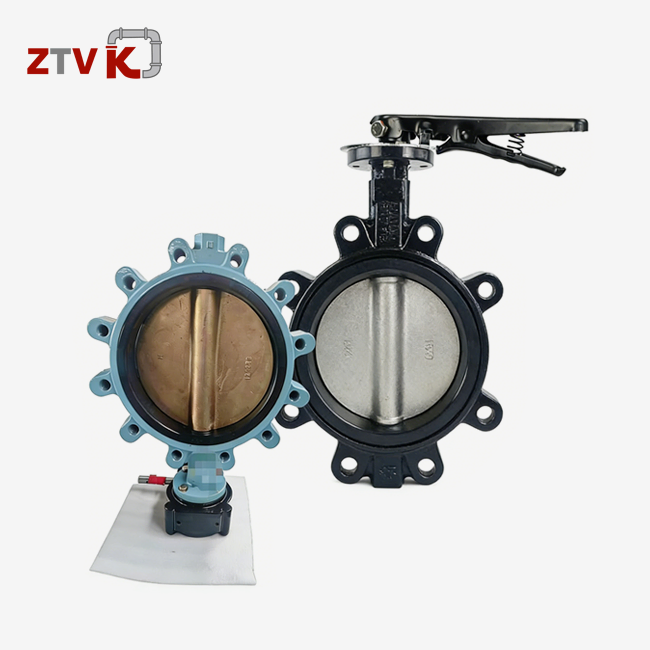
- Installation Flexibility: Wafer-shaped valves can't be taken apart without both sides being whole, which makes upkeep harder. Lug-style butterfly valves let you remove only one side of the pipe, which is what field engineers always choose for systems that need to be serviced regularly.
These differences have direct effects on buying. For water treatment lines, a distributor who sells to city contractors should focus on EPDM-seated wafer valves. A trade company that works with petroleum companies needs to find bodies made of stainless steel that are seated in PTFE or fluororubber.
Lifecycle Cost and Flow Efficiency
A study from the Valve Manufacturers Association of America (VMA) shows that over 80% of the total cost of owning an industrial valve over a normal 15-year service cycle is made up of lifetime costs, not the purchase price. The higher initial cost of an SS butterfly valve is balanced by the fact that it needs to be replaced less often in environments where corrosion is a problem. In chlorinated water systems, cast iron wafer valves usually need to be replaced every 5 to 7 years.
The double eccentric oblique seal design from ZTVK lowers the opening and closing torque by 30% compared to normal concentric designs. It also increases the mechanical lifespan to more than 50,000 working cycles, which is a big benefit for automatic pipes that switch on and off a lot.
Procurement Insights: Choosing Between SS Butterfly Valve and Wafer Valve
Procurement engineers at EPC firms and trading companies often frame this decision around three variables: application severity, installation context, and total cost of ownership.
Matching Valve Specification to Application
A ductile iron wafer butterfly valve with EPDM seating at PN1.0 MPa is a stable and cost-effective choice for fire protection networks, HVAC mechanical rooms, and water supply infrastructure. A 304 ss butterfly valve with fluororubber or PTFE seating is technically required for chemical dosing lines, seawater cooling systems, or oil and gas applications that are far from land.
For their urban drainage growth, a Southeast Asian city water contractor that ZTVK worked with chose DN200–DN600 stainless steel butterfly valves with EPDM seats that wouldn't wear down easily. Compared to their earlier cast iron valve installations, the project cut down on repair calls by about 40% in the first two years of operation.
Supplier Reliability and Certification Compliance
Certification compliance isn't just a box to be checked for trading and distributors doing business in the U.S. and Europe; it's a business must. ZTVK is certified to handle quality according to ISO 9001, and the goods they make meet API, ANSI, DIN, JIS, BS, and CE standards. All certification papers can be checked by a third party, and the company supports factory checks by third parties. This openness is important when clients further down the line want to see proof that the project was properly commissioned.
Bulk purchasing advantages are significant when sourcing from a manufacturer with integrated production. ZTVK keeps more than 2,000 standard DN50–DN600 types in stock. Standard versions can be delivered 3–7 days after an order is placed, while non-standard or OEM-branded orders take 15–25 days to be made. You can get rush creation, which takes 7–10 days.
Industry Trends and Future of Butterfly and Wafer Valves
The market for industrial valves is moving toward digital tracking and computer integration. A study from Grand View Research says that the global industrial valve market was worth USD 77.4 billion in 2022 and is expected to grow at a compound annual growth rate (CAGR) of 4.7% through 2030. This is mostly because of investments in water infrastructure and growth in the energy sector.
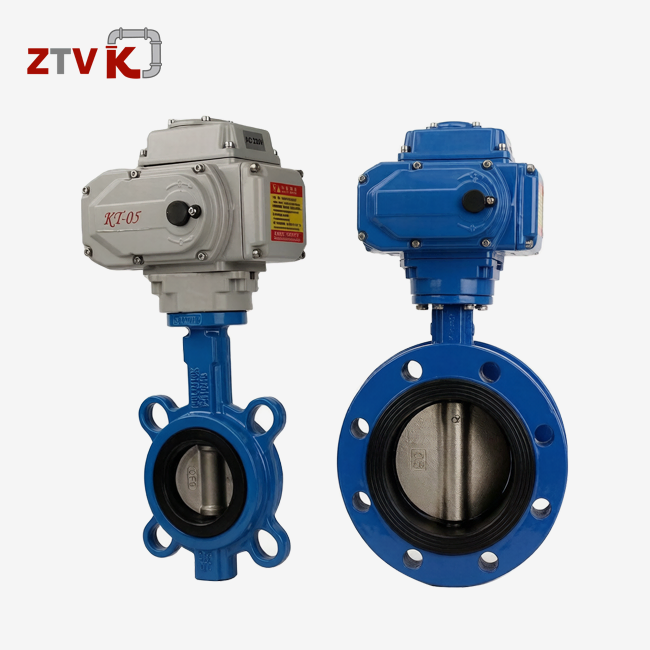
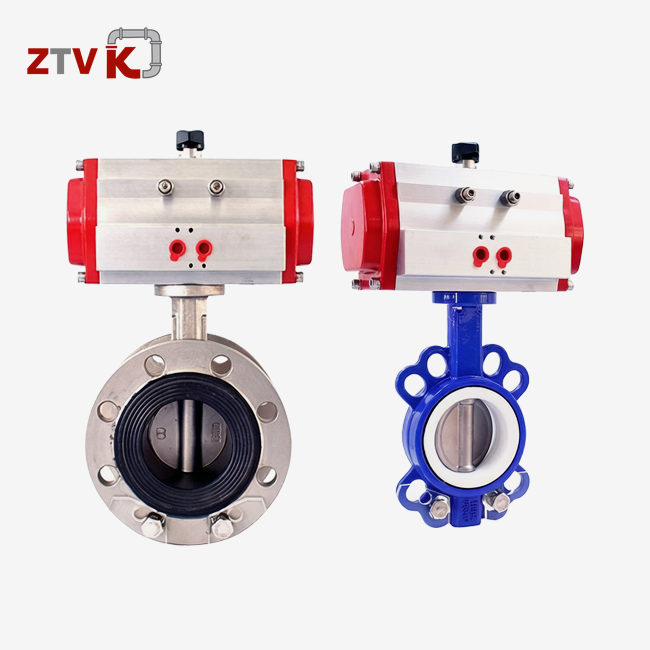
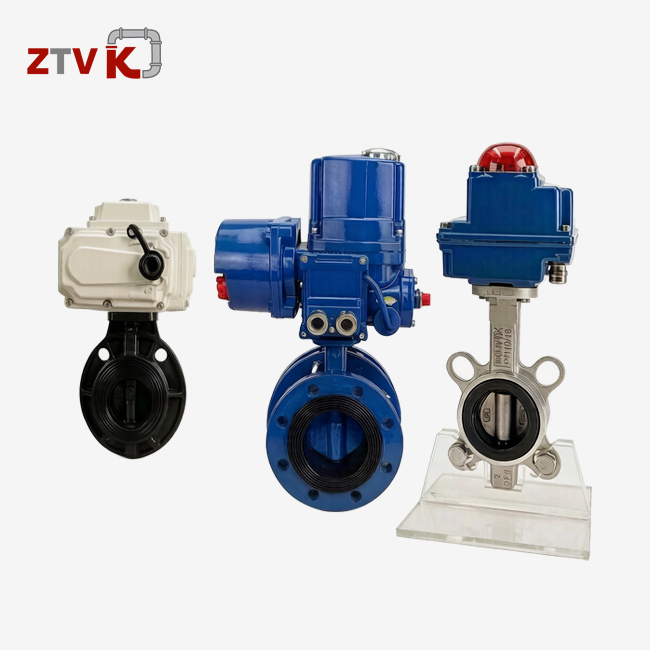
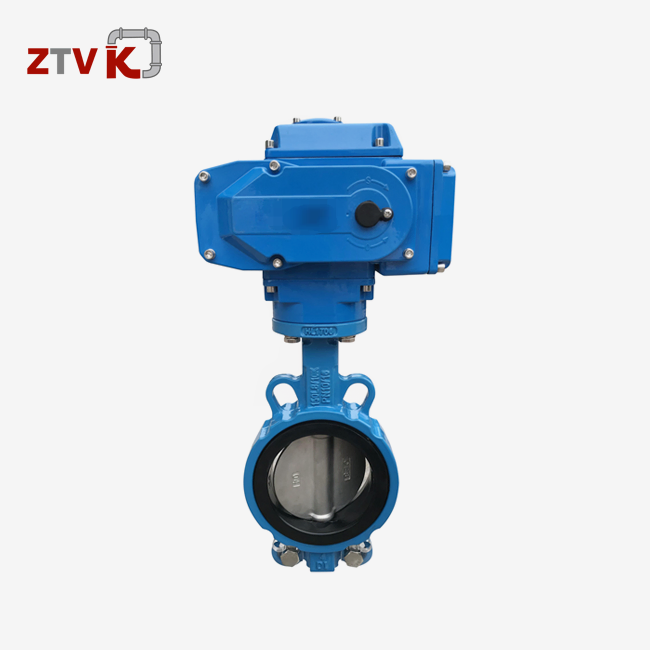
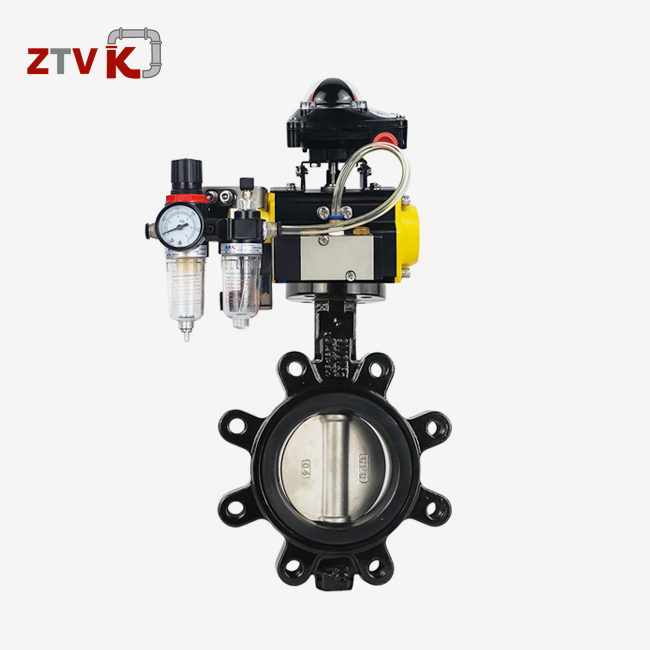
As facilities move toward remote control and SCADA integration, they are more likely to buy SS butterfly valves with actuator connections already installed. ZTVK's valve bodies have special ports for electric and pneumatic actuators. This lets automation improvements happen quickly without having to replace the valve body. This is a cost-effective design that is being asked for more and more by EPC companies on new builds.
Also, progress in making things is speeding up. Advanced fluoroelastomer compounds and wear-resistant ethylene-propylene are making seat service lives longer in abrasive slurry and high-temperature steam applications. This means that maintenance intervals and the costs of downtime are being cut.
Summary and Recommendations: Which Valve Is Better for Your Needs?
| Feature | SS Butterfly Valve | Wafer Valve (Cast Iron / Ductile Iron) |
|---|---|---|
| Body Material | 304/316 Stainless Steel | Cast Iron / Ductile Iron |
| Corrosion Resistance | Excellent | Moderate |
| Pressure Range | PN0.6–1.6 MPa | Typically PN1.0–1.6 MPa |
| Seat Options | EPDM, PTFE, Fluorine Rubber, Silicone | EPDM, Nitrile |
| Installation Style | Wafer or Lug | Wafer |
| Best Application | Chemical, Seawater, Oil, Petrochemical | HVAC, Municipal Water, Fire Protection |
| Lifecycle Cost | Lower long-term | Lower upfront |
Neither valve type universally outperforms the other. The 304 stainless steel ss butterfly valve is the better choice for media that are acidic, high in salt, or chemically active. When the medium is safe and construction costs are low, a normal wafer valve made of ductile iron is the best option. When making purchasing decisions, the results are always better when the total cost of ownership is taken into account instead of just the unit price.
Conclusion
The best way to choose between a ss butterfly valve and a wafer valve is based on how you plan to use them, not on price. In harsh settings, stainless steel design really pays off. When room economy and easy installation are most important, wafer design gets its spot. When I talk to buying teams, I always tell them to be very clear about their medium, pressure, and temperature needs before they contact any suppliers. Over the course of 10 years, a well-specified valve order saves more money than any deal given at the beginning.
FAQ
1. What is the difference between an SS butterfly valve and a wafer butterfly valve?
"SS" stands for stainless steel, which is the body material. "Wafer" refers to the style of joining, or how the valve fits between two plates. An SS wafer butterfly valve can do both of these things. The misunderstanding comes from the fact that these terms refer to different parts of the valve.
2. What media can stainless steel butterfly valves handle?
Water, saltwater, weak acids, oils, weak alkaline liquids, alcohols, and air can all pass through 304 SS butterfly valves. Chemical compatibility is more precisely determined by the type of seat material used, such as EPDM, PTFE, fluorine rubber, silicone, or nitrile.
3. What pressure rating should I specify for a municipal water project?
Most city water systems work well with pressures between PN1.0 and PN1.6 MPa. ZTVK valves can handle pressures between PN0.6 and PN1.6 MPa (150Lb to 300Lb), which is enough for normal infrastructure requirements.
4. Can I get OEM-branded stainless steel butterfly valves?
Yes, ZTVK offers full OEM support, which includes making custom labels, logos, packaging, and instructions. For non-standard OEM orders, production usually takes 15–25 days, but there are choices for faster delivery.
Get Your Custom SS Butterfly Valve Quote from ZTVK
ZTVK makes approved stainless steel butterfly valves with sizes DN15 to DN1200 mm. These valves are built to meet API, ANSI, DIN, and ISO standards, and OEM branding is an option. As a trustworthy company that has been making ss butterfly valves for more than 15 years and has a factory just 50 km from Tianjin Port, we can deliver standard stock items within 3–7 days and can fully customize orders that aren't standard. Email our technical team at ktec86961886@163.com to get datasheets, CAD models, and a custom price quote for buying in bulk.

References
1. ASTM International. (2021). ASTM A276: Standard Specification for Stainless Steel Bars and Shapes. ASTM International.
2. Valve Manufacturers Association of America (VMA). (2020). Valve Industry Facts. VMA.
3. Flow Control Network. (2022). Stainless Steel Valves in Municipal Water Infrastructure: Field Performance Analysis. Flow Control Network.
4. Grand View Research. (2023). Industrial Valve Market Size, Share & Trends Analysis Report, 2023–2030. Grand View Research.
5. Valve World Magazine. (2022). Advanced Elastomer Seat Materials for Butterfly Valves in High-Temperature Applications. Valve World.
6. Hydraulics & Pneumatics. (2021). Selecting the Right Butterfly Valve for Industrial Process Systems. Hydraulics & Pneumatics.
Send us your valve requirements and our team will provide professional solutions and fast quotations.
RELATED INDUSTRY KNOWLEDGE