- English
- French
- German
- Portuguese
- Spanish
- Russian
- Japanese
- Korean
- Arabic
- Greek
- German
- Turkish
- Italian
- Danish
- Romanian
- Indonesian
- Czech
- Afrikaans
- Swedish
- Polish
- Basque
- Catalan
- Esperanto
- Hindi
- Lao
- Albanian
- Amharic
- Armenian
- Azerbaijani
- Belarusian
- Bengali
- Bosnian
- Bulgarian
- Cebuano
- Chichewa
- Corsican
- Croatian
- Dutch
- Estonian
- Filipino
- Finnish
- Frisian
- Galician
- Georgian
- Gujarati
- Haitian
- Hausa
- Hawaiian
- Hebrew
- Hmong
- Hungarian
- Icelandic
- Igbo
- Javanese
- Kannada
- Kazakh
- Khmer
- Kurdish
- Kyrgyz
- Latin
- Latvian
- Lithuanian
- Luxembou..
- Macedonian
- Malagasy
- Malay
- Malayalam
- Maltese
- Maori
- Marathi
- Mongolian
- Burmese
- Nepali
- Norwegian
- Pashto
- Persian
- Punjabi
- Serbian
- Sesotho
- Sinhala
- Slovak
- Slovenian
- Somali
- Samoan
- Scots Gaelic
- Shona
- Sindhi
- Sundanese
- Swahili
- Tajik
- Tamil
- Telugu
- Thai
- Ukrainian
- Urdu
- Uzbek
- Vietnamese
- Welsh
- Xhosa
- Yiddish
- Yoruba
- Zulu
Pneumatic Actuator Butterfly Valve Sizing and Selection Guide
Selecting the right pneumatic actuator butterfly valve requires understanding torque requirements, pressure ratings, and material compatibility to ensure reliable system performance. Proper sizing prevents operational failures and extends service life across demanding industrial applications. This guide walks you through critical selection parameters, helping procurement managers, engineers, and distributors make confident decisions that balance performance, durability, and cost-effectiveness in water treatment, HVAC, petrochemical, and municipal infrastructure projects.
Understanding Pneumatic Actuator Butterfly Valves
How Pneumatic Actuation Works
A pneumatic actuator butterfly valve uses compressed air to turn exact circular motion into motion, usually by a quarter-turn mechanism at 90 degrees. When air pressure goes into the actuator chamber, it either pushes a piston or turns a rack-and-pinion assembly, which moves the disk from fully closed to fully open. This automatic control gets rid of the need for human input, lowers the chance of mistakes, and allows remote operation in dangerous or unreachable places.
Actuator Types and Their Operational Differences
Two main types of motion setups are used for different tasks. Compressed air is needed for double-acting actuators to move the valve in both directions, opening and shutting it. This gives precise control in both directions, which is great for throttling uses. Single-acting actuators, which are also known as spring-return models, work in one direction with air pressure. If the air supply goes out, mechanical springs return the valve to a fail-safe state. This fail-safe feature is very important for emergency shutdown systems in power plants and petrochemical plants where process safety can't be compromised.
Construction Materials and Environmental Compatibility
Modern pneumatic valves have bodies made of extruded aluminum with hard anodized finishes. These finishes are very resistant to corrosion and keep the weight of the building low. The anodizing process adds a protective oxide layer that can handle tough industrial settings, such as the humid seaside air or the air used for chemical processing. Aluminum pressure die-cast caps and racks make structures stronger without adding too much weight, which makes installing large-diameter valves easier.
The body of the butterfly valve comes in different grades of material to fit different types of media and working situations. Ductile iron bodies are a cost-effective way to handle general water and air applications. Food-grade and chemical processes that need to be clean can use CF8 stainless steel. For chemical processing, CF8M stainless steel is the best because it doesn't rust. WCB cast steel bodies can handle high temperatures and pressures in steam and gas service.
Disk materials work in the same way. Ductile iron and stainless steel versions work well with their body materials, while aluminum bronze disks work best in saltwater and ocean situations where galvanic corrosion is a risk. For normal use, shafts are made of SS410/416, while SS304 and SS316 are used in corrosive settings to make sure the shaft stays intact during repeated cycles.
Chemical compatibility and temperature limits are set by the seat materials. Up to 120°C, water, steam, and mild chemicals don't hurt EPDM rubber seats. Nitrile chairs don't react with hydraulic fluids or gasoline products. PTFE seats can handle a wide range of temperatures and chemicals, making them ideal for use with acids, solvents, and high-purity materials. In tough petrochemical service, VITON seats can handle harsh chemicals and high temperatures.
Industrial Applications and Automation Advantages
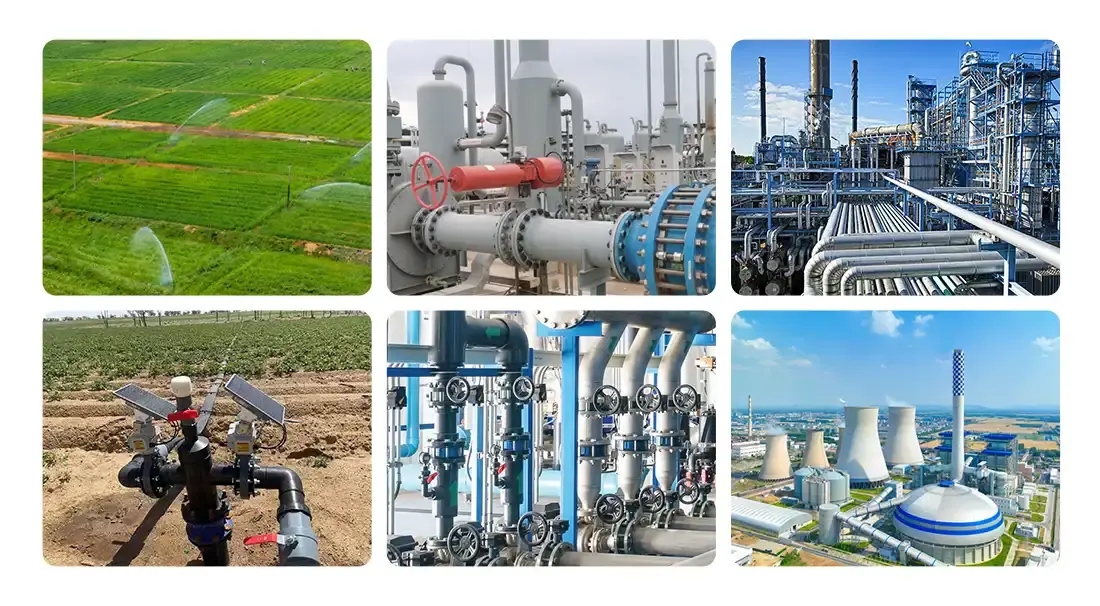
Butterfly valves that are operated by pneumatics are used a lot in water treatment plants to keep overflow from happening during storms. These valves are used by municipal HVAC systems to control zones and make sure that airflow is balanced across building complexes to within a millisecond. Chemical processing plants use them for batch processes that need accurate dosing over and over again, which is something that manual valves can't do. In fire safety devices, spring-return motors make sure that valves close in an emergency, even if the power goes out.
Unlike manual operation, pneumatic actuation always delivers the same amount of torque, no matter how strong or experienced the operator is. Automated cycling can do millions of actions without affecting performance, which is a lot more than the span of a human valve. Integration with SCADA systems allows for centralized control and monitoring, which cuts down on labor costs and improves process documentation for regulatory compliance.
Essential Factors for Sizing Pneumatic Actuator Butterfly Valves
Why Accurate Sizing Matters
When media sediment builds up, or temperature changes cause thermal expansion, motors that are too small fail to produce enough force to break the disk free from its seat. Oversized motors lose money and use more air, which raises the cost of running. Both of these situations make the system less reliable, which can cause unplanned downtime and emergency maintenance costs that are much higher than they should have been in the first place.
Critical Sizing Parameters You Must Consider
The width of the valve is used to figure out the size. The disc's surface area grows at an exponential rate as its diameter goes up. This means that the actuator needs to have a higher torque to overcome the fluid's dynamic forces. Under the same pressure, a DN150 valve might need 150 Nm of actuator force, and a DN600 valve might need 2,000 Nm or more.
There are three different numbers for actuator torque: the breakaway torque, which is needed to remove the disk from its closed position, the running torque, which is needed to spin the disk through its stroke, and the seating torque, which is needed to squeeze the seat and turn off the actuator. Manufacturers usually list these numbers at the highest differential pressure, but in the real world, safety factors are needed.
The needed actuator torque for a pneumatic actuator butterfly valve is directly affected by the pressure rates. When a valve is set to PN16, it faces four times as many differential pressure forces as when it is set to PN4, which means it needs four times as much power. Types of end connections are also important. For example, flanged butterfly valves that meet ASME B16.5 standards at the 150# or 300# class can be mounted bolt-through, which strengthens the valve body against pressure forces and might require less power than wafer-type installs.
Flow characteristics that can be measured with Cv coefficients and pressure drop formulas have a secondary effect on the choice of actuator. Flows moving quickly cause changes in the dynamic force that motors have to handle. Extreme localized forces can stop undersized actuators in the middle of their stroke when they are in a cavity.
Practical Sizing Methods and Tools
Professional valve sizing starts with getting all the operating details, such as the highest differential pressure, the fluid's properties (such as its viscosity and specific gravity), the highest and lowest temperatures that can occur, and the frequency of cycles that need to happen. Then, engineers look at torque charts from the maker that show how much torque is needed based on the valve size and pressure number.
A common method involves adding a 25–30% safety factor to the estimated torque values. This takes into account effects like seat wear and tear, media buildup, and temperature changes. The selection of an actuator then takes into account the available air pressure, which is usually 6 bar in industrial settings, and makes sure that the chosen actuator produces enough power at the lowest input pressure to account for changes in the compressor.
These calculations are done automatically by software tools from valve manufacturers that use torque curves and actuator performance data that are specific to that manufacturer. We suggest checking software results against calculations done by hand. This way, you can find input mistakes before they cause problems in the field.
Comparative Analysis to Aid Valve and Actuator Selection
Pneumatic Versus Electric and Hydraulic Actuation
When fundamental safety is important, pneumatic motors do a great job. Because they don't have any electrical parts that could spark in potentially dangerous environments, they are the best choice for chemical plants and factories that have to follow ATEX rules. A pneumatic actuator only has mechanical parts, while an electric actuator needs motors, gearboxes, and electronic controllers. This means that there are fewer places where they could fail.
Electric motors allow for precise placement and get rid of the costs of installing equipment for compressed air. For uses that need precise scaling control with feedback loops, these work well. But because they are more complicated, they need more maintenance and are more likely to get wet in outdoor installations.
When used underwater, hydraulic actuators are perfect because they can produce a lot of torque in a small package. Their use of hydraulic fluid circuits creates contamination risks that are not acceptable in pharmaceutical or food processing.
Double-Acting Versus Spring-Return Selection Logic
When fail-safe positioning is not important, double-acting types are good for general automation. They give the same amount of force in both directions and let positioners outside the disk stop it at any angle for variable control. Because they are balanced, it's easier to figure out what size actuator to use because both ways get full air pressure.
When it comes to movement, spring-return motors put safety first. The spring package takes up space in the cylinder, which lowers the effective air-driven torque. To match the double-acting torque output, these units need bigger housings. This trade-off is worth it in emergency shutdown situations where the position of the valve when the power goes out has a direct effect on protecting people and the environment.
Choosing for Challenging Conditions
Materials need to be upgraded for environments that are corrosive. For mild humidity, standard aluminum actuators with epoxy coatings are enough. But for seawater use, stainless steel actuator housings with PTFE-coated internal parts are needed. The bodies of the valves change from ductile iron to CF8M stainless steel, and the seats are changed from EPDM to VITON so they can handle chlorine.
For use with pressures higher than PN16, cast steel valve bodies and reinforced actuator mounting brackets that meet ISO 5211 standards are needed. These clamps spread the torque forces across bigger mounting surfaces. This keeps the surfaces from deforming, which would lead to air leaks.
Both valve and actuator materials are affected by changes in temperature. Low-temperature carbon steel bodies with specially made elastomer seats are needed for cryogenic service below -40°C. For steam service above 200°C, metal-seated valves are needed because elastomers break down, but this means that the valves can't close completely without bubbles.
Procurement Considerations and Vendor Evaluation
Evaluating Manufacturers and Suppliers
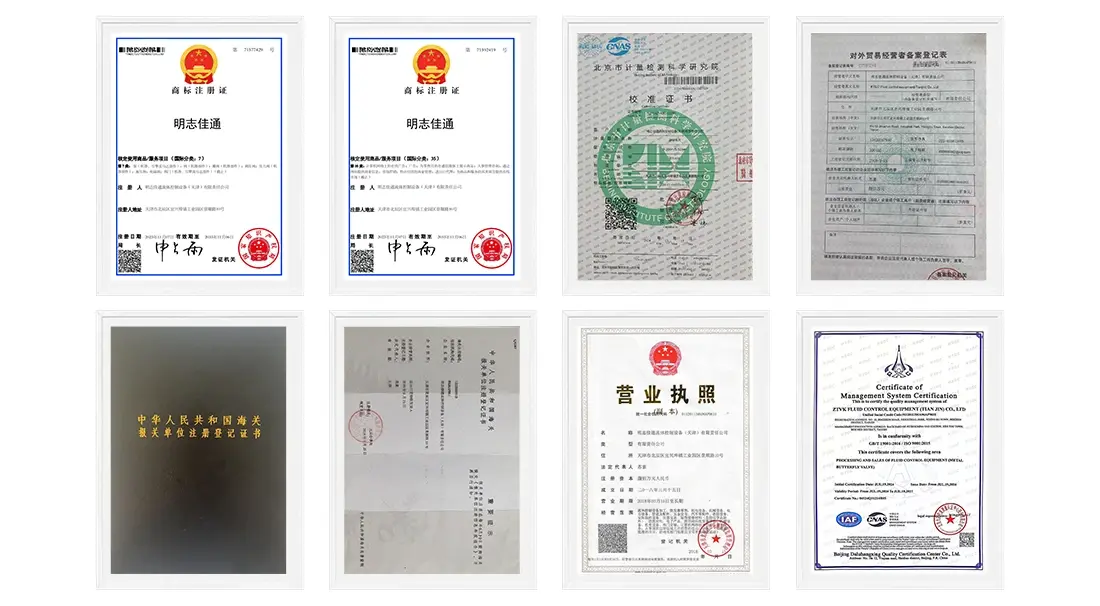
When looking at suppliers of pneumatic actuator butterfly valves, quality certifications are the first thing that you should look at. Systematic quality management is shown by ISO 9001 approval, but standards that are specific to valves are more important. For actuator mounting interfaces, look for makers that are approved to ISO 5211 to make sure they work with control accessories like solenoid valves and position indicators that meet NAMUR standards.
Product testing is what sets serious manufacturers apart from traders. There is confidence in the structure's integrity when there are in-house pressure testing facilities that can witness-test valves to 1.5 times their rated pressure. Chemical analysis equipment makes sure that the material's makeup fits the specs. This is very important when buying stainless steel parts because grade substitution leads to early failure.
Customer references from people who work in the same industry as you confirm the supplier's experience. A company that works on petrochemical projects knows about paperwork needs and material tracking in a way that other industry companies might not.
Customization Capabilities for Project-Specific Needs
Distributors and trading businesses can build brand value through private labeling with the help of OEM production support. We can make nameplates with your company's logo, custom packaging, and actuator colors that match your company's brand. This gives our marketing partners more ways to set their products apart in areas where there is a lot of competition.
With ODM, you can solve problems that only your application can have. Our engineering team changes standard designs to fit mounting arrangements that aren't standard, unique port connections, or combinations of materials that aren't shown in catalogs. Drawing-based manufacturing makes valve parts that are exactly what the customer wants, which helps equipment makers add valves to their own systems.
Bulk Ordering Advantages and Logistics
When you buy in bulk, you can get big savings on costs. Our pricing structure encourages commitment—orders over 100 units get discounts across the board, and buyers are protected from changes in the price of commodity steel by annual framework agreements that guarantee price stability.
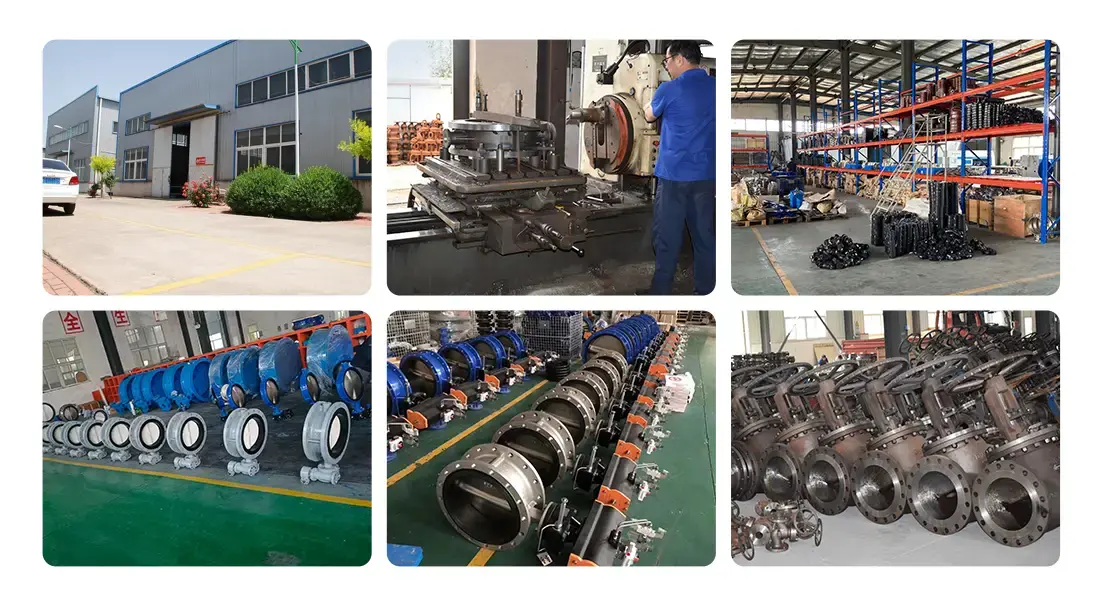
Our factory in Tianjin is only 50 kilometers from Tianjin Xingang Port, which makes filling containers quickly and sending goods by sea cheap. We have agreements with big shipping companies like COSCO and Maersk, so we can offer open FOB Tianjin or CIF target port terms. All export packaging meets ISPM 15 heat treatment standards, so there are no delays at customs caused by checks for quarantine.
Standard valves from DN50 to DN600 ship in 3–7 days from our stock of 2,000 units. Custom projects take between 15 and 25 days, based on how complicated they are. If you need them faster, you can pay a small fee for quick service.
After-Sales Support and Long-Term Partnership Value
Technical support starts before the product is bought. Our team helps with sizing, makes CAD plans for pipe integration, and uses 3D models to find clashes in very complicated designs. By finding growing interference problems during design reviews, we've avoided having to make expensive changes in the field.
We're confident in the quality of our products because we offer an 18-month warranty that covers manufacturing defects with free replacement parts. Installation help films and troubleshooting guides in multiple languages speed up the launch process. When problems happen, our well-documented service network offers on-site help in big markets to keep downtime to a minimum.
Material certifications, test results, and maintenance schedules can be accessed right away through QR codes on each valve that lead to digital documents. This makes it easier to order spare parts years after the system was first installed and to pass quality checks.
Conclusion
The right choice of a pneumatic actuator butterfly valve takes into account a number of technical and business factors. Knowing about actuation principles, sizing parameters, and material compatibility lets you make smart choices that improve system performance and lower costs over its lifetime. When you compare different actuation technologies, you can see that pneumatic solutions are safer, easier to use, and more reliable. By looking at sellers' certifications, ability to customize products, and support infrastructure, you can find partners who can do more than just give products and also work with you on technical issues on a regular basis. Structured maintenance programs protect your investment, and troubleshooting tools keep unwanted downtime to a minimum. These methods will help your projects work well in a variety of settings, such as water treatment, HVAC, petrochemicals, and city infrastructure.
FAQ
1. What factors should I prioritize when sizing a pneumatic actuator for butterfly valves?
The actuator torque needed is based on the valve size, the highest differential pressure, and the design of the seat. Figure out the breaking force under the worst possible pressure, then add 25 to 30 percent as a safety factor. Make sure the actuator produces enough torque at the lowest air supply pressure you have access to. Don't forget to think about fail-safe needs—because of spring preload, spring-return actuators need bigger housings to get the same torque as double-acting models.
2. Can pneumatic actuators operate reliably in corrosive environments like chemical processing or coastal installations?
When the material chosen fits the exposure conditions, pneumatic actuation works well in corrosive settings. Normal hard-anodized metal cores can handle some chemical vapors and humidity. Seawater and places with a lot of chlorine need actuator housings made of stainless steel with better seals. The materials used for valve bodies should change from ductile iron to CF8M stainless steel, and EPDM seats should be replaced with VITON seats. Proper material design based on media research keeps things from breaking down too soon.
3. How do I choose between double-acting and spring-return pneumatic actuators?
When fail-safe positioning is important for safety or process protection, spring-return actuators are needed. When the air supply goes out, they move the valve to a set position automatically. This is very important in emergency stop systems. When fail-safe functionality is not very important, double-acting actuators are good for general automation because they offer equal torque in both directions and are easier to connect to positioners for throttling control. This choice is based on the application risk rating.
Partner with ZTVK for Reliable Pneumatic Actuator Butterfly Valve Solutions
ZTVK has been making valves for more than 15 years and has strategic advantages that make your buying process easier. Our factory in Tianjin is ISO 9001 certified and makes butterfly valves that meet foreign standards like API, ANSI, and DIN. The bodies can be made of ductile iron, CF8, CF8M, or WCB cast steel. For urgent projects, we can deliver in 3–7 days because we keep more than 2,000 standard units from DN50 to DN600 in stock. As an experienced maker of pneumatic actuator butterfly valves, we offer full OEM/ODM customization, from branded packaging for wholesalers to material changes that are specific to tough petrochemical environments. Because we are only 50 kilometers from Tianjin Xingang Port, we can ship goods at low costs via established partnerships with COSCO and Maersk for both FOB and CIF. For help with sizes, cheap quotes, and full product information, email our expert team at ktec86961886@163.com.
References
1. American Society of Mechanical Engineers. ASME B16.5: Pipe Flanges and Flanged Fittings. ASME International Standards, 2020.
2. International Organization for Standardization. ISO 5211: Industrial Valves - Part-Turn Actuator Attachments. ISO Technical Committee, 2018.
3. Valve Manufacturers Association. Butterfly Valve Selection and Sizing Guidelines for Industrial Applications. VMA Technical Publication, 2019.
4. Emerson Process Management. Control Valve Handbook: Actuator Selection and Sizing Principles. Fisher Controls International, 2021.
5. British Standards Institution. BS EN 593: Industrial Valves - Metallic Butterfly Valves. BSI Engineering Standards, 2017.
6. American Water Works Association. AWWA C504: Standard for Rubber-Seated Butterfly Valves. AWWA Publications, 2020.
Send us your valve requirements and our team will provide professional solutions and fast quotations.
RELATED INDUSTRY KNOWLEDGE