- English
- French
- German
- Portuguese
- Spanish
- Russian
- Japanese
- Korean
- Arabic
- Greek
- German
- Turkish
- Italian
- Danish
- Romanian
- Indonesian
- Czech
- Afrikaans
- Swedish
- Polish
- Basque
- Catalan
- Esperanto
- Hindi
- Lao
- Albanian
- Amharic
- Armenian
- Azerbaijani
- Belarusian
- Bengali
- Bosnian
- Bulgarian
- Cebuano
- Chichewa
- Corsican
- Croatian
- Dutch
- Estonian
- Filipino
- Finnish
- Frisian
- Galician
- Georgian
- Gujarati
- Haitian
- Hausa
- Hawaiian
- Hebrew
- Hmong
- Hungarian
- Icelandic
- Igbo
- Javanese
- Kannada
- Kazakh
- Khmer
- Kurdish
- Kyrgyz
- Latin
- Latvian
- Lithuanian
- Luxembou..
- Macedonian
- Malagasy
- Malay
- Malayalam
- Maltese
- Maori
- Marathi
- Mongolian
- Burmese
- Nepali
- Norwegian
- Pashto
- Persian
- Punjabi
- Serbian
- Sesotho
- Sinhala
- Slovak
- Slovenian
- Somali
- Samoan
- Scots Gaelic
- Shona
- Sindhi
- Sundanese
- Swahili
- Tajik
- Tamil
- Telugu
- Thai
- Ukrainian
- Urdu
- Uzbek
- Vietnamese
- Welsh
- Xhosa
- Yiddish
- Yoruba
- Zulu
Exploring the Differences Between Steel Welded Butterfly Valves and Cast Steel Butterfly Valves
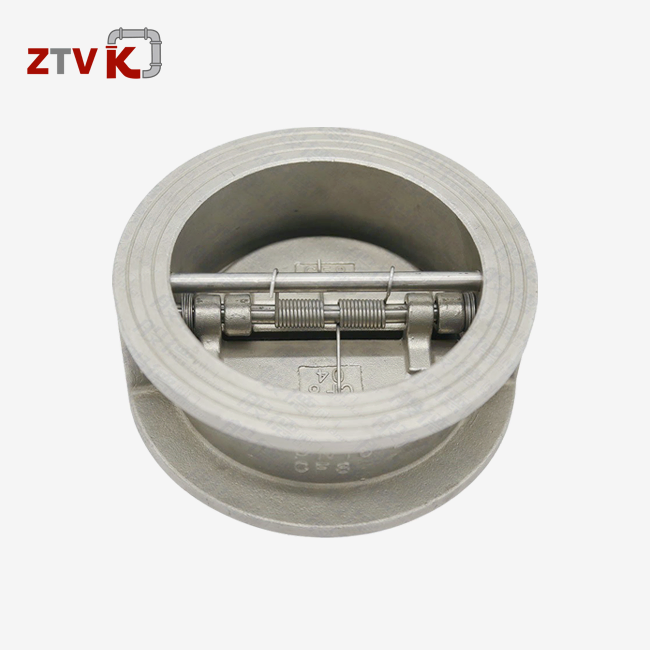
It is very important to know the difference between steel-welded butterfly valves and cast-steel butterfly valves when you are buying flow control tools for industrial pipes. The cast steel butterfly valve is made by carefully casting ASTM A216 WCB metal, which gives it high tensile strength and consistent metallurgical qualities that make it ideal for tough working conditions. Welded steel variants, on the other hand, are made by joining pre-formed steel plates together using welding techniques. This allows for more design freedom and customization options. Both types of valve use quarter-turn rotary mechanisms to control flow, but the way they are built has a big impact on how well they work, what applications they are best for, and how much they will cost to run in the long run. These are all important things for engineering contractors and valve distributors to think about when they are looking for reliable pipeline solutions.
Understanding Steel Welded Butterfly Valves and Cast Steel Butterfly Valves
Manufacturing Processes Define Core Characteristics
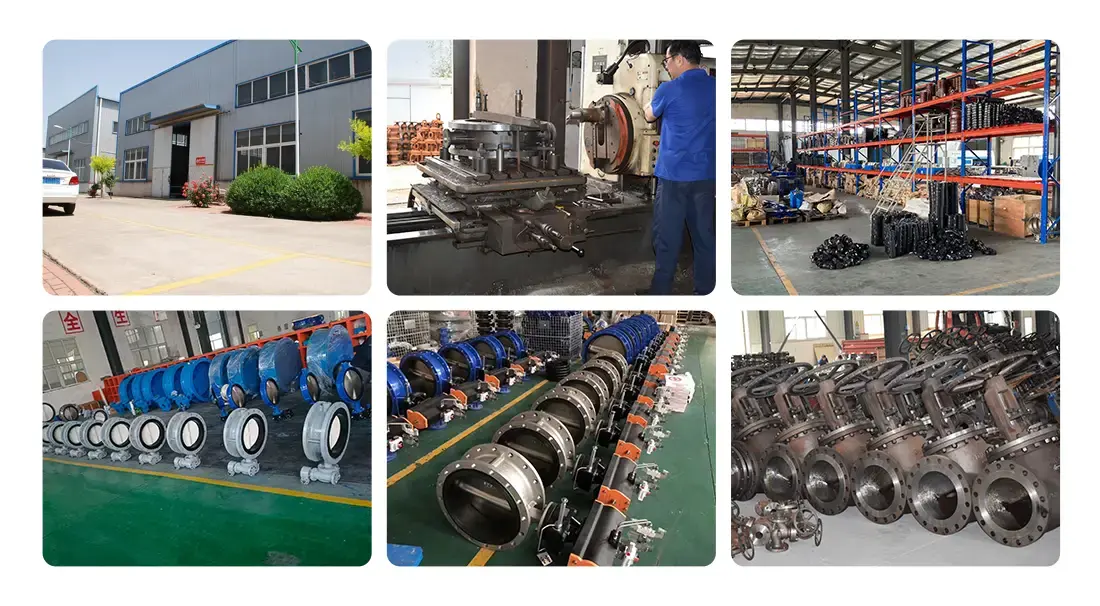
The way these two types of butterfly valves are made is very different from one another. Cast steel butterfly valves are made by pouring molten metal into molds made of sand or ceramic. This makes valve bodies that are solid and have a consistent grain structure all over. This way of casting lets you make parts with complicated inside shapes and smooth flow paths that don't need mechanical joints. The final product is a uniform material that has consistent mechanical properties throughout the whole part.
Welded steel butterfly valves are made by cutting and forming steel plates or pieces, which are then joined together using arc welding or another method of fusion. This way of making things lets you change the sizes and even arrange the parts in unique ways. Manufacturers can combine different grades of steel into a single assembly, making certain sections better for handling certain stresses. Weld zones, on the other hand, can be weak spots that need to be checked carefully to make sure the structure stays strong under operating pressures.
Material Properties and Performance Implications
The pressure-holding and temperature stability benefits of cast steel design are built in. Because there are no weld lines, there are no weak spots that can happen with manufactured options. Material continuity makes sure that expansion coefficients stay the same when temperatures change, which lowers the concentrations of thermal stress. When working with fluids that are very hot or when process lines are going through quick changes in temperature, these traits become very important.
Welded assemblies give engineers more options for choosing materials, so they can choose the best steel grades for each valve part. For structural reasons, body parts may be made of carbon steel, while disc systems are made of stainless steel to prevent corrosion. This composite method can lower the cost of materials without lowering their effectiveness. ZTVK can use both construction methods when making things, and clients can choose from carbon steel, stainless steel 304/316, and duplex steel shapes depending on their needs.
Key Differences Between Steel Welded and Cast Steel Butterfly Valves
Pressure and Temperature Capabilities
Cast steel butterfly valves can usually handle higher pressure levels between ANSI Class 150 and Class 600, and some specially made models can even handle Class 900 levels. When there are internal pressures, the monolithic design holds up better than welded joins, which need extra support at the seams. In situations where pressures are higher than PN16 (about 230 psi), cast bodies offer better safety gaps and lower wall thickness standards.
Cast construction is also better for tolerances in temperature. The homogeneous material structure keeps its mechanical properties at high temperatures of up to 425°C. This means that these valves can be used in both steam and thermal oil systems. Welded alternatives can only be used at certain temperatures because of the properties of the heat-affected zone and the welding rod itself. Unless special welding techniques are used, the highest temperature they can be used at is 200°C.
Corrosion Resistance and Material Integrity
Castings don't have crevice rust problems like weld surfaces do because their grains are all connected. Cast steel butterfly valves and cast stainless steel bodies are better at protecting against localized attacks when they are in seawater, weak acids, or chloride-containing environments. ZTVK makes iron butterfly valves and butterfly valves with bodies and discs made of 304 stainless steel that are made to work with these corrosive media. The standard sizes of these valves range from DN15 to DN1200.
Manufacturing Flexibility and Customization
When non-standard sizes or shapes are needed, a welded building is the best way to go. Fabrication methods make it cheaper to make things with custom flange drilling patterns, longer neck lengths for insulation space, or built-in mounting brackets. This flexibility helps OEM clients who want to add valves to their own equipment designs or contractors who have to deal with unusual pipeline configurations.
Installation and Maintenance Considerations
Differences in weight affect the amount of labor and support structure needed for installation. Because the casting process needs thicker sections, cast valves usually weigh 15 to 25 percent more than welded designs of the same size. This mass factor changes how big of a crane is needed for installation and how much weight the base has to hold for vertical pipe runs.
Maintenance steps are different depending on how the building was built. Cast frames are easier to check because the whole structure is made of one piece of metal. Ultrasonic measurements of thickness and visual inspections are enough to figure out the condition. To find new cracks or heat-affected zone degradation, weld zones need to be looked at more closely in welded assemblies using magnetic particle inspection or dye penetrant testing.
Selecting the Right Valve for Your Application
Matching Valve Type to Operating Conditions
When using high-pressure steam above PN25, it is best to use cast steel butterfly valves because they are better at keeping the pressure inside and not melting or cracking. Because the structure of the material is uniform, it can be heated and cooled many times without getting fatigue cracks at the weld interfaces. Water treatment plants for cities and district heating systems are two common places where these skills are needed.
As long as the pressure is below PN16 and the fluids being used are water, air, or non-corrosive liquids, either construction method can work well. When the width gets bigger (DN800–DN1200), casting costs go up a lot, but welded butterfly valves are cheaper. Welded designs work well for HVAC systems, irrigation networks, and general industrial water service as long as they are defined and kept correctly.
Actuation Method Influences Selection
Both types of valves can be operated by hand using lever or gearbox actuators for small to medium sizes (DN50-DN300). The force needed for a quarter-turn movement stays low, so the handwheel can be used without power. ZTVK uses double-eccentric geometry, which lowers opening torque by 30% compared to designs that use concentric geometry. This makes mechanical parts last longer than 50,000 cycles.
Electric and pneumatic actuation systems that work with bigger cast steel butterfly valve bodies (DN400–DN1200) benefit from the dimensional consistency of cast bodies. The actuator-to-valve contact is stable without having to be changed in the field, thanks to standardized mounting surfaces and shaft tolerances. ZTVK designs have special slots for adding more automated controls, allowing customers to start with manual valves and add power actuators as automation grows without replacing the valve bodies.
Comparative Performance Against Alternative Valve Types
When compared to gate or globe valves, butterfly valves take up less room, whether they are cast or welded. Their small face-to-face sizes cut down on the amount of cable feet needed and make installation easier in equipment rooms that are already crowded. When the disc is fully open, it has the same flow resistance as a ball valve, but it has better throttling properties because the disc rotates more slowly.
Ball valves work best in tight shutoff situations that need zero leakage, but they are more expensive and take up more space. Gate valves work well in situations where there needs to be little pressure drop when they are fully open, but they don't work well for slowing. Butterfly configurations meet all of these needs while also allowing for good shutoff (usually 0.1% leakage of valve capacity), moderate pressure drop, and good flow control between 20% and 90% open positions.
Procurement Tips for Cast Steel Butterfly Valves
Supplier Qualification and Certification Verification
Purchasing managers should make it a priority for cast steel butterfly valve manufacturers to keep their ISO9001 quality management certification and any product-specific approvals that are needed for the job. ZTVK has ISO9001, ISO14001, and OHSAS18001 certifications, which show that it is dedicated to quality, safety at work, and protecting the environment. These validations by a third party give manufacturers confidence that their processes are consistent and can be tracked.
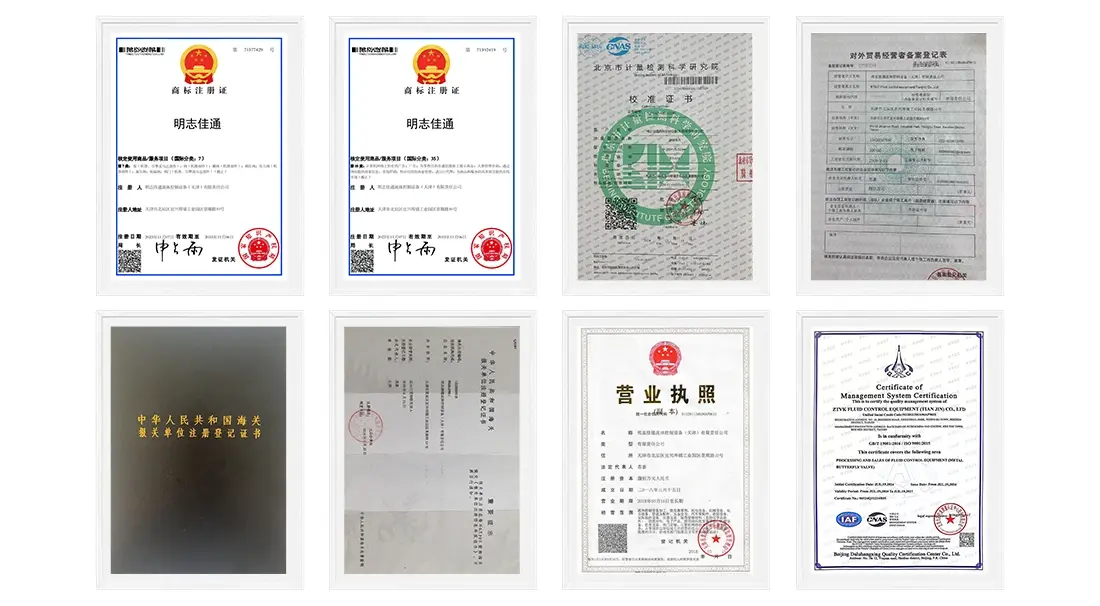
Each package of a valve should include material proof papers, such as mill test results for body castings and disc materials. These certificates show that the chemical make-up and mechanical properties of the steel meet standards such as ASTM A216 WCB for carbon steel or ASTM A351 CF8M for stainless steel. Positive Material Identification (PMI) testing by providers stops problems with mixing materials that could damage the structure of the valve.
Lead Time Planning and Inventory Management
Standard butterfly valve types usually ship within a week from well-known companies that keep production supplies on hand. ZTVK is close to Tianjin Port—only 50 kilometers from its factories—which makes it easy to load containers and ship them by sea through partnerships with COSCO Shipping and Maersk Line. This logistical edge cuts down on the total time it takes for foreign buyers to get what they need.
Depending on the changes that need to be made, custom specifications can make production take 15 to 25 days longer. Buyers should give full specs early on in the project timeline, including flange standards (ANSI B16.5, DIN, JIS), testing needs (API 598, ISO 5208), and any special features, like longer stems or fire-safe certification. Clear technical documentation keeps production from being held up and makes sure that the products delivered meet the needs of the application.
Pricing Structures and Total Cost Evaluation
Butterfly valves' unit prices depend on the type of material they are made of, their size, their pressure rating, and how many you order. Quotes from suppliers should list base valve costs, actuation packages, and special features separately so that you can make accurate comparisons. When buyers negotiate annual contracts, they can usually get 15–25% savings compared to buying things on the spot.
The initial purchase price is only part of the total cost of ownership. Other costs include labor for installation, upkeep, and the expected service life. Although cast steel versions cost 20–30% more than welded versions, the extra money is usually worth it because they last longer (more than 25 years) and need less upkeep. ZTVK offers a warranty that lasts for 18 months, as well as technical support in the form of installation guides, troubleshooting guides, and access to local service partners for help after the sale.
Maintenance Best Practices to Extend Valve Life
Routine Inspection Protocols
Visual checks every three months find early signs of wear and tear before they become serious problems for a cast steel butterfly valve. External inspections should record the condition of the coating, how smoothly the actuator works, and any fluid seepage at the stem packing. During planned shutdowns, internal inspections check the condition of the disc edge, the seat, and the inside of the body for erosion or corrosion. Epoxy resin coats on ZTVK valves keep them from rusting in places with a lot of humidity, which is especially helpful for placements in Southeast Asia.
Protocols for pressure testing make sure that the sealing continues to work. Hydrostatic shell tests at 1.5 times the rated pressure make sure the body is solid, and seat leak tests check how well the seal works. Acceptable leakage rates depend on the service. For example, for municipal water applications, the leakage rate should not be more than 0.5% of the valve's capacity, and for critical process isolation, the valve must be shut off bubble-tight. Recording test data sets performance standards that can be used to look for trends during later checks.
Preventive Maintenance Activities
When to lubricate depends on how often the machine is used and the weather. Manual valve gearboxes need to be oiled every six months with the greases recommended by the manufacturer to keep the bearings from wearing out and the gearbox running smoothly. Checking the limit switches, solenoid valves, and pneumatic supply lines every three months is a good way to keep actuator-operated valves working reliably from a distance.
The number of cycles and the properties of the media affect how often seats need to be replaced. Abrasive fluids speed up the wear of elastomers, so they need to be replaced every two to three years. However, clean water service may make seats last longer than seven years. ZTVK offers a wide range of seat materials, such as EPDM, silicone rubber, and fluorine compounds. This lets customers keep extra parts on hand that are right for the conditions of their work. Keeping original manufacturer parts in good condition protects the warranty and makes sure that the dimensions are compatible.
Troubleshooting Common Issues
Too much working force is often a sign of disc misalignment or seat compression degradation. Before replacing major parts, check the settings on the actuator and make sure there is enough space for the disc to rotate inside the valve body. When temperatures change, thermal expansion can temporarily raise torque until the parts stabilize.
External leakage at the stem packing usually can be fixed by adjusting or replacing the packing instead of replacing the whole valve. ZTVK designs use thicker stem protective covers, which are especially helpful in places with a lot of dust like the Middle East because they cut down on packing wear caused by contamination. Because they are preventative, these design features reduce the need for maintenance and increase the time between reliable service intervals.
Conclusion
To choose between cast steel and welded butterfly valves, you need to carefully look at how they will be used, your budget, and how much upkeep will be needed in the long run. Cast steel butterfly valves work better in high-pressure, high-temperature situations that need maximum dependability and a long service life. Welded options are better for low-duty uses and non-standard designs because they can be customized more easily and are cheaper. A good procurement process balances the initial investment against the total costs over the lifecycle, ensuring that the supplier's skills match the quality standards and delivery requirements.
FAQ
1. What temperature range can cast steel butterfly valves handle?
Depending on the seat material choice, cast steel butterfly valves made from ASTM A216 WCB material can safely work at temperatures ranging from -29°C to 425°C. The highest temperature that PTFE seats can handle is about 200°C, but metal-seated versions can handle all temperatures. Due to heat-affected zones, welded steel types usually can only be used up to 200°C unless special welding methods are required.
2. How does stainless steel construction affect corrosion resistance?
304 and 316 grades of stainless steel are much more resistant to corrosion than carbon steel, especially in chloride environments, seawater, and acidic media. Butterfly valves made by ZTVK have bodies and plates made of 304 stainless steel, which makes them ideal for water, seawater, weak acids, and alkaline liquids. Cast stainless steel's continuous grain structure makes weld seams less likely to fail, so it lasts longer in corrosive environments.
3. Can I order customized specifications for specific projects?
Through OEM and ODM services, ZTVK allows for full customization, including choosing specific sizes, flange shapes, sealing materials, and ways to connect. Custom orders usually take 15 to 25 days to make, but you can pay extra to get them faster. During the inquiry stage, specific operating parameters and detailed technical drawings should be given to make sure that the product is manufactured correctly and delivered on time.
Partner with ZTVK for Reliable Butterfly Valve Solutions
ZTVK has been making butterfly valves for over 15 years and has a lot of knowledge in the industry in Tianjin's Beichen District. Our plant keeps a large stock of standard models (DN50–DN600) that can be delivered quickly (3–7 days). We can also make custom models from DN15 to DN1200 to meet specific needs, with pressure rates from PN0.6 to PN1.6 MPa. Quality systems that are ISO9001-certified and close to Tianjin Port make sure that product quality stays consistent and that foreign operations run smoothly. Industrial valve dealers, city contractors, and original equipment manufacturers (OEMs) are welcome to look into how our cast steel butterfly valve manufacturer can help you meet your buying goals. Contact our engineering team at ktec86961886@163.com to request detailed specifications, competitive quotes, and technical advice for projects you have coming up.
References
1. American Petroleum Institute. API Standard 609: Butterfly Valves—Double Flanged, Lug- and Wafer-Type. Tenth Edition, 2017.
2. ASME International. ASME B16.34: Valves—Flanged, Threaded, and Welding End. 2020 Edition.
3. Skousen, Philip L. Valve Handbook. Third Edition. McGraw-Hill Professional, 2011.
4. Smith, Philip; Zappe, R.W. Valve Selection Handbook: Engineering Fundamentals for Selecting the Right Valve Design for Every Industrial Flow Application. Fifth Edition. Gulf Professional Publishing, 2004.
5. Lyons, Jerry L.; Askland, Carl L. Lyons' Valve Designer's Handbook. Van Nostrand Reinhold, 1982.
6. Nesbitt, Brian. Handbook of Valves and Actuators: Valves Manual International. Elsevier Science, 2007.
Send us your valve requirements and our team will provide professional solutions and fast quotations.
RELATED INDUSTRY KNOWLEDGE