- English
- French
- German
- Portuguese
- Spanish
- Russian
- Japanese
- Korean
- Arabic
- Greek
- German
- Turkish
- Italian
- Danish
- Romanian
- Indonesian
- Czech
- Afrikaans
- Swedish
- Polish
- Basque
- Catalan
- Esperanto
- Hindi
- Lao
- Albanian
- Amharic
- Armenian
- Azerbaijani
- Belarusian
- Bengali
- Bosnian
- Bulgarian
- Cebuano
- Chichewa
- Corsican
- Croatian
- Dutch
- Estonian
- Filipino
- Finnish
- Frisian
- Galician
- Georgian
- Gujarati
- Haitian
- Hausa
- Hawaiian
- Hebrew
- Hmong
- Hungarian
- Icelandic
- Igbo
- Javanese
- Kannada
- Kazakh
- Khmer
- Kurdish
- Kyrgyz
- Latin
- Latvian
- Lithuanian
- Luxembou..
- Macedonian
- Malagasy
- Malay
- Malayalam
- Maltese
- Maori
- Marathi
- Mongolian
- Burmese
- Nepali
- Norwegian
- Pashto
- Persian
- Punjabi
- Serbian
- Sesotho
- Sinhala
- Slovak
- Slovenian
- Somali
- Samoan
- Scots Gaelic
- Shona
- Sindhi
- Sundanese
- Swahili
- Tajik
- Tamil
- Telugu
- Thai
- Ukrainian
- Urdu
- Uzbek
- Vietnamese
- Welsh
- Xhosa
- Yiddish
- Yoruba
- Zulu
How to Choose the Right Butterfly Valve for Your System
Selecting the right butterfly valve for your industrial system can mean the difference between years of reliable operation and costly downtime. A butterfly valve uses a disc mounted on a rotating shaft to control fluid flow through quarter-turn operation, offering compact installation, rapid actuation, and minimal pressure drop compared to traditional gate or globe valves. When choosing the appropriate valve, you must evaluate operating pressure, temperature range, media compatibility, connection type, and actuation method. Understanding these critical factors ensures your investment delivers optimal performance while avoiding common pitfalls like premature seal failure, incorrect sizing, or inadequate torque capacity in large-bore applications.
Understanding Butterfly Valves and Their Working Principle
Butterfly valves are an important part of modern pipe systems because they are easy to use and work well. A circular disk is connected perpendicular to a shaft to make up the valve. The disk goes from fully open to fully closed when the shaft turns 90 degrees. Fast shutoff is possible with this quarter-turn mechanism, which is especially useful in emergency isolation situations or when the machine needs to be used a lot.
Core Components and Their Functions
The disk is housed in the valve body, which also has connection points for the piping. In this case, the disk controls the flow, and the stem sends rotating force from the user to the disk. When the disk presses against the seat, which is usually made of a tough material like EPDM, NBR, or PTFE, a seal is made. To keep the system running smoothly, these parts must all work together under the system's forces and temperatures.
How Butterfly Valves Regulate Flow
During use, when the valve is open, fluid moves around the disk. Pressure drop and flow coefficient (Cv) are directly affected by the shape and width of the disk. When valves are well-designed, they reduce turbulence and energy loss. As the disk moves toward the closed position, it gradually stops the flow until it's completely stopped. Different types of valves use different ways to seal. For example, resilient-seated valves use elastomeric compression, while metal-seated valves use precise cutting limits.
Common Butterfly Valve Configurations
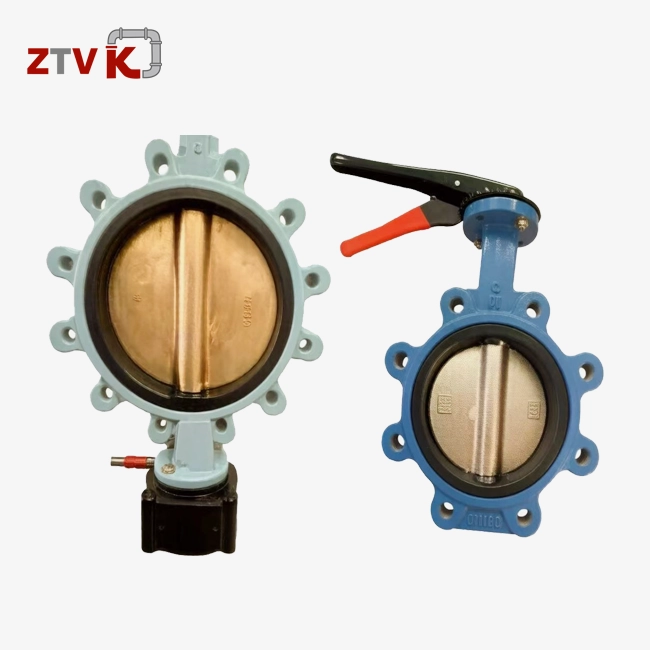
Wafer-shaped valves are held in place by bolts that go through both sides and into the valve. This design is lighter and cheaper, but both flanges have to stay in place. Lug-style valves have threaded pieces in the body that let each plate be connected separately. This setup allows for dead-end service, which means that the pipes downstream can be taken out while the valve stays under pressure. Double-flanged valves have built-in flanges on both sides, which gives them the strongest structure for high-pressure uses.
Key Criteria to Consider When Choosing a Butterfly Valve
When valve specifications are matched to system needs, operational failures are avoided, and service life is increased. The selection process should be organized so that each important factor is carefully compared to the needs of your application.
Pressure and Temperature Requirements
The working pressure tells you the highest pressure that the valve can safely handle for a long time. Some of the standard ratings are PN10, PN16, Class 150, Class 300, and more. At room temperature, a 12-inch (DN300) lug-type valve rated for PN16 can handle pressures of up to 16 bar. Temperature changes how well both the body material and the seat material work. Bodies made of ductile iron can usually handle temperatures up to 200°C, but seat materials have stricter rules. EPDM seats work well up to 120°C, and PTFE seats work well up to 200°C. VITON is better at resisting chemicals and can handle temperatures up to 180°C.
Material Compatibility with Process Media
The body material has to be able to withstand rust from the fluid that is being managed. Ductile iron (DI/QT450) has a good strength-to-weight ratio and a moderate resistance to corrosion. This means that it can be used with water, air, and industrial fluids that are not aggressive. When working with acids that eat away at metal, disks made of CF8 (stainless steel 304) or CF8M (stainless steel 316) are needed. Seawater and muddy water uses are better suited to aluminum bronze disks. The choice of seat material is also very important. NBR works well with oil-based products, EPDM works well with water and steam, and PTFE is good with a wide range of chemicals.
Connection Standards and Installation Constraints
Face-to-face measurements and flange cutting patterns for a butterfly valve are set by connection standards. ISO5211 describes the mounting interface for actuators, which makes sure that products from different manufacturers can work together. Bolt hole designs and pressure values are set by flange standards such as ANSI 150LB, PN10/PN16, and JIS 10K. Installation is flexible with lug-type links because repair can be done on one side of the valve without affecting the other. The small size of wafer valves is helpful when space is limited, but you should know that you can't separate one side for servicing.
Actuation Method Selection
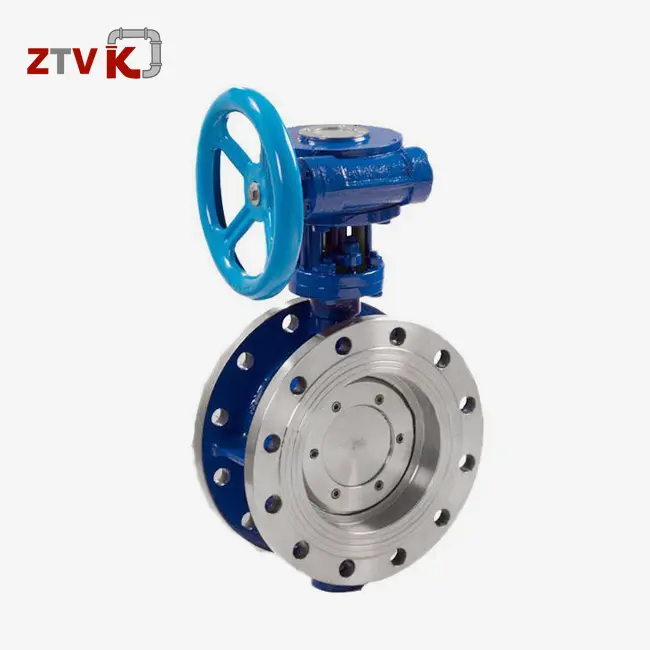
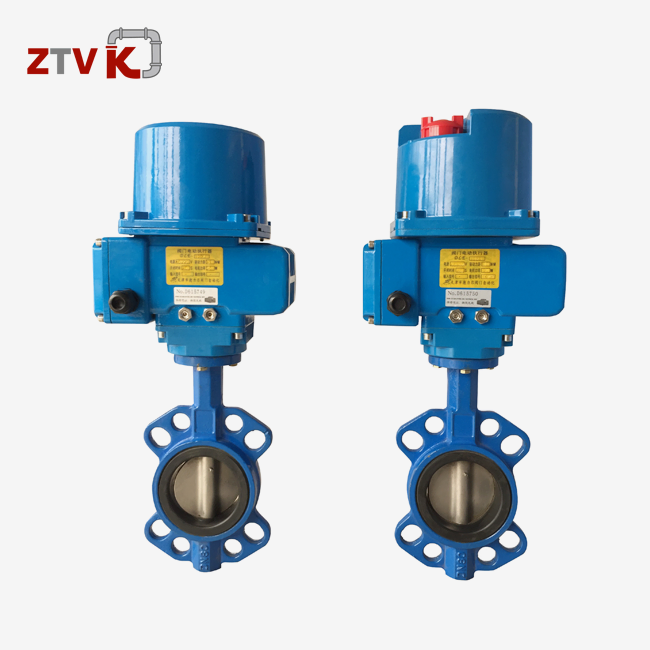
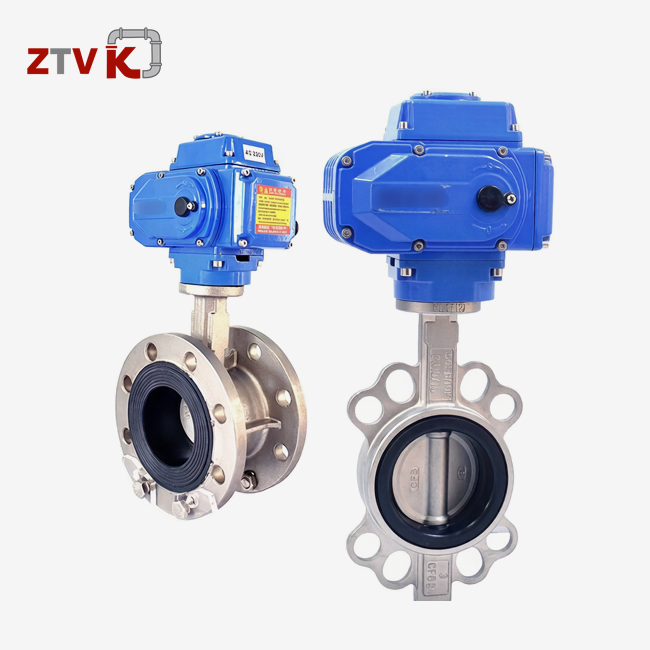
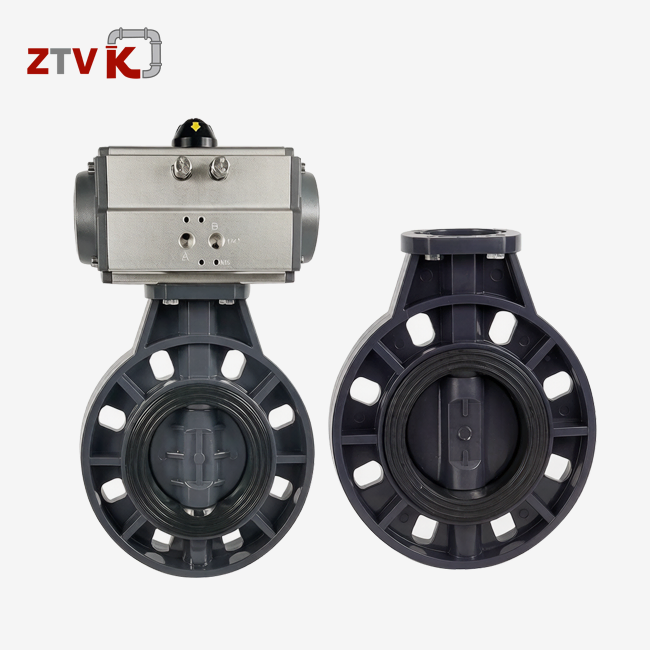
Hand levers allow for manual operation, which works well for smaller valves and situations where they aren't used very often. When the valves are bigger and the disk force is too high for a person to handle, gearbox operators are needed. Because fluid pressure acts on the disk surface and creates a lot of closing force, a 12-inch valve usually needs a worm gear or bevel gear operator. Electric controllers let you handle things from a distance and connect them to automatic process control systems. Using spring return systems, pneumatic actuators provide fail-safe positioning, which is very important for safety-critical uses.
Comparing Butterfly Valves with Other Valve Types
Knowing the pros and cons of various valve technologies helps buying professionals make smart choices that strike a balance between performance needs and budget limits.
Butterfly Valves Versus Ball Valves
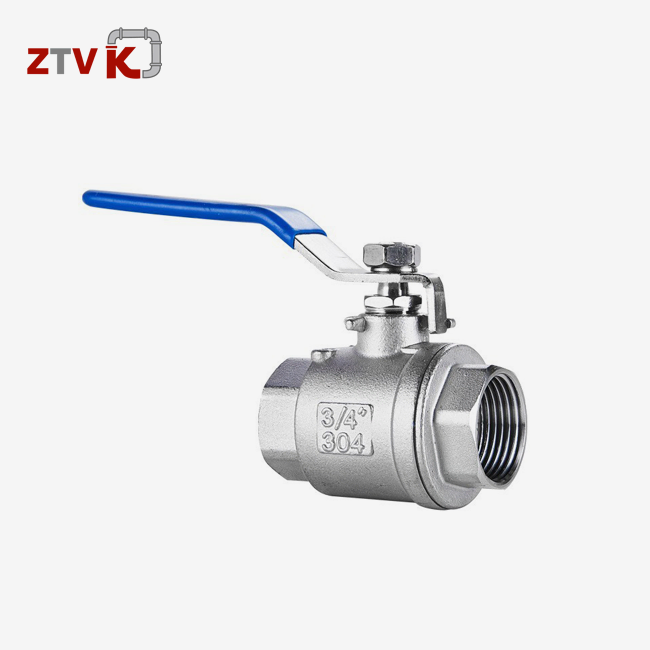
When they are closed, ball valves seal better than other valves and almost never leak. Because they are full-bore, they don't restrict flow, which makes them perfect for uses that need pigging or low pressure drop. Large-sized ball valves, on the other hand, cost a lot more than butterfly valves. A butterfly valve of the same size can cost three to four times less than a 12-inch ball valve. Butterfly valves are great at throttling across the whole operating range, while ball valves are only used when they are fully open or closed. Butterfly valves are the practical choice for water distribution systems where moderate throttling and cost-effectiveness are priorities.
Butterfly Valves Versus Gate Valves
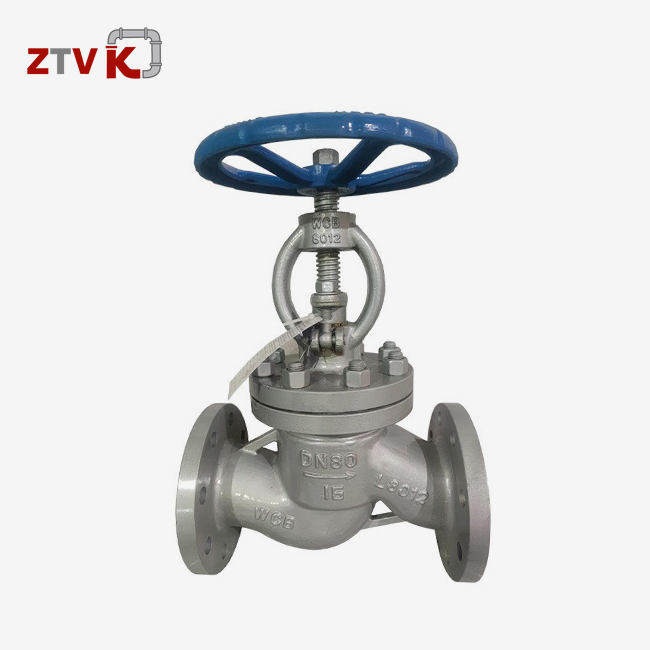
Gate valves work great in situations where flow paths need to be clear, and the valves don't need to be opened very often. Their straight-through form gets rid of flow turbulence, but it takes a long time to install. A 12-inch gate valve might need 800 mm of face-to-face space, while a butterfly valve only needs 280 mm. Because they take up less space, butterfly valves are good for setups and retrofits that don't have a lot of room. Gate valves move slowly and need to be turned more than once to fully open or close. Butterfly valves can do the same job with just a quarter-turn at 90 degrees, which cuts the time needed to operate by 75% or more. This speed edge is very important in case of an emergency shutdown.
Performance Trade-offs in Industrial Applications
Different types of valves have very different maintenance needs. Butterfly valves have fewer moving parts, which makes them easier to maintain and requires fewer spare parts. The process of replacing the seat is easy, and the valve is often not taken out of the line. When packing needs to be replaced or seats need to be fixed, gate valves need to be taken apart more completely. Butterfly valves offer compelling lifecycle cost advantages over ball valves, despite slightly higher leakage rates, when choosing valves for municipal water systems or HVAC installations where long service intervals and minimal maintenance are priorities.
Evaluating Butterfly Valve Options Available in the Market
There are a lot of choices on the valve market, with options for all levels of quality, customization, and service. The people who work in procurement have to weigh the original cost against the long-term dependability and help from the supplier.
Manual Versus Automated Operation
Manual gearbox movers for a butterfly valve are a reliable and cost-effective way to move things that don't need to be moved very often. The worm gear mechanism increases the torque that the operator applies, which lets a single person control big valves. Position indicators that are attached to the gearbox let you see what the valve status is. It is possible to connect electric actuators to distributed control systems (DCS) and supervisory control and data acquisition (SCADA) platforms. They allow for precise positioning control, usually within 1% of full travel, which helps with advanced strategies for process control. When remote control, automated sequencing, or fail-safe placement is needed, the higher original investment is worth it.
Supplier Reliability and Quality Assurance
Emerson and Flowserve are well-known international brands that offer a wide range of products backed by a lot of engineering resources and service networks around the world. Their valves usually cost a lot, but their design has been proven by decades of use in the field. Regional manufacturers usually offer the same level of quality at more reasonable prices and with more options for customization. Pressure testing certifications make sure that each valve meets certain performance standards, and ISO9001 certifications show that quality management systems have been documented. Third-party material approvals from labs show that the materials used for the body and trim meet chemical and functional standards.
Customization and Lead Time Considerations
Standard stock items usually ship fast, but they might not be exactly what you need for your purpose. It usually takes 15 to 25 days to make custom configurations that meet specific pressure levels, special materials, or unique connection needs. This longer timeline includes getting the materials, doing specialized machining, and testing to make sure the quality is good. Some providers offer faster production for an extra fee when project deadlines are tight, which could cut delivery time to 7–10 days. OEM branding and custom packaging take very little time, but help wholesalers and trading businesses that serve regional markets stand out in a good way.
Maintenance and Long-Term Performance of Butterfly Valves
With regular repair, valves last longer and don't break down when they're least expected, which can stop activities. A proactive method cuts down on production losses and costs less than fixes that need to be done quickly.
Routine Inspection and Preventive Maintenance
Every three months, visual checks should be done to look for external corrosion, packing leaks, and the integrity of the actuator mounting. As part of the valve's yearly maintenance, it should be run through its full range to make sure it works smoothly and without binding or too much torque. Normal wear and tear is taken into account by packing gland changes, which keep the stem seal's integrity. Valve removal is needed for a seat check, which should be done every three to five years, based on the number of cycles and the properties of the media. If you replace the seats before they break, you can avoid damage to the disk sealing surface, which costs more to fix.
Addressing Common Operational Issues
External leaking around the stem is usually a sign of packing wear or glands that aren't set up correctly. Tightening the packing gland by quarter-turn steps can often fix small problems without having to replace the packing. If the fluid leaks past the seat, it means that something is stuck between the disk and the seat, or the seat is wearing down because of chemical attack or wear and tear. If the valve keeps leaking, the seat needs to be replaced. Cycling the valve a few times may clear out any dirt. Electrical problems, worn-out gears, or a misaligned limit switch can all cause an actuator to stop working. Systematic troubleshooting that follows the manufacturer's instructions is the best way to find the root causes.
Extending Service Life Through Best Practices
Solids don't build up in bearings when valves with straight stems are used in slurry applications. By keeping the flow at the right speed, erosion damage to seats and disks can be avoided. When there are floating solids in a system, running valves fully open or fully closed instead of throttling lowers the number of particles that hit the closing surfaces. Using the right system design and surge safety devices to keep water hammer from damaging valves stops shock loads that can damage seats or open parts. When these operating methods are combined with good maintenance, the service lives go over 50,000 cycles.
Conclusion
To pick the right butterfly valve, you need to weigh technical specs against practical issues like the dependability of the provider, delivery times, and the cost over its entire life. Knowing how valves are built, which materials work with them, and how they need to be actuated helps buying workers choose valves that will work well and last a long time. This guide shows you a methodical way to choose valves that will make sure your investment fits your system's needs and avoids common mistakes in specification that cause valves to fail early or have limited functionality. By looking at pressure rates, material choices, link types, and the supplier's abilities, you can be sure to pick valves that meet your current needs and can be used with changes to the system in the future.
Frequently Asked Questions
1. How do I determine the correct size butterfly valve for my piping system?
The size of the valve depends on how much flow is needed and how much pressure drop is acceptable. Depending on the speed that is appropriate, a 12-inch (DN300) butterfly valve can handle flow rates of 500 to 3,000 GPM. Use the formula Cv = Q × sqrt(SG/ΔP) to find the needed flow coefficient (Cv). Here, Q is the flow rate in GPM, SG is the specific gravity, and ΔP is the pressure drop in PSI. Choose a valve with a Cv number that is 15-20% higher than what you think you need to account for partial disk blockage and the effects of getting older.
2. Can butterfly valves handle high-pressure oil and gas applications?
Standard butterfly valves with a resilient seat can handle low to medium pressures up to PN16 or Class 150. For oil and gas lines that are under a lot of pressure, triple-offset metal-seated types that are rated for Class 600 or higher are often needed. These specific valves keep things from moving against each other while they're working, which keeps things safe around fire. For refined oil products at moderate pressures, standard ductile iron body valves work well. For natural gas at high pressures, however, forged steel bodies and metal seats are needed.
3. What lead times should I expect for custom butterfly valve orders?
Standard catalog valves with common specs ship within 3–7 days from manufacturers who keep them in stock. Custom configurations that call for non-standard materials, special coatings, or special connection needs usually take 15 to 25 days to make. Customizations that are very complicated and require technical analysis or testing of prototypes may make the lead time 6 to 8 weeks. Some manufacturers offer faster production, which cuts delivery time to 7–10 days for an extra fee.
Streamline Your Butterfly Valve Procurement with ZTVK
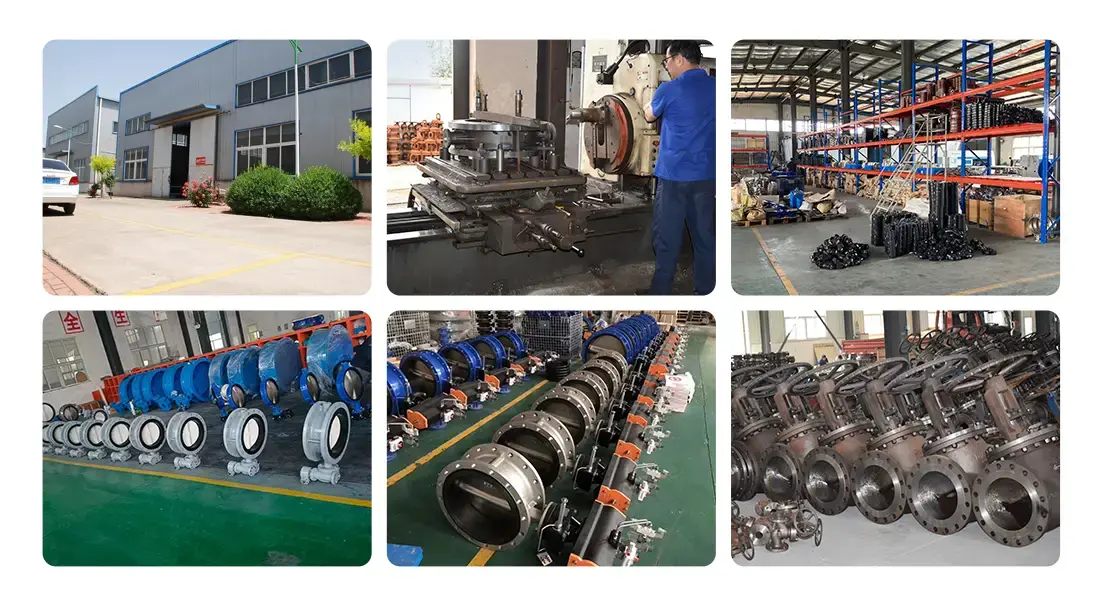
ZTVK is a company in Tianjin's Beichen District that makes high-quality butterfly valves that meet the strict needs of industrial markets around the world. Our 12-inch lug-type butterfly valves have bodies made of ductile iron (DI/QT450), work with a gearbox, and come with a choice of seat materials, such as EPDM, NBR, PTFE, and VITON, to meet the needs of different types of media. We keep over 2,000 standard units in stock so that they can be sent out quickly (3–7 days). Custom configurations, on the other hand, take 15–25 days to ship.
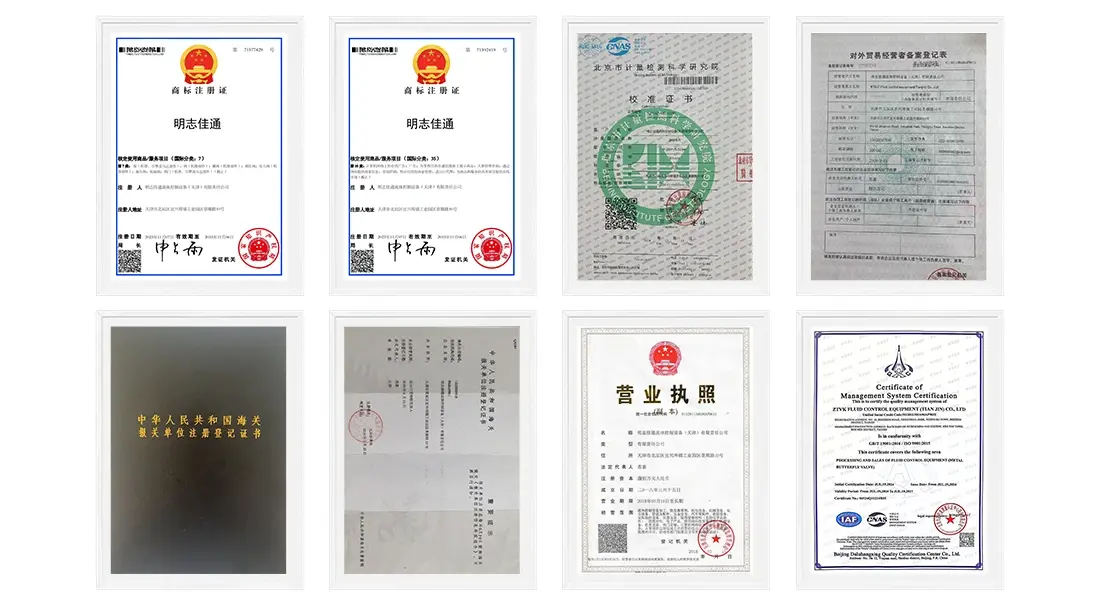
We are a qualified butterfly valve maker with ISO9001, ISO14001, and OHSAS18001 certifications. We can help you with OEM branding and ODM customization to meet your needs. Because we are close to Tianjin Port, foreign shipping is quick and easy, and our relationships with major companies make sure that operations are reliable. We offer full technical support, including CAD models, installation tutorial videos, and a guarantee that covers damage that wasn't caused by people for 18 months. Get in touch with our technical team at ktec86961886@163.com to talk about your butterfly valve needs and get a personalized quote.
References
1. American Water Works Association. AWWA Manual M49: Butterfly Valves: Torque, Head Loss, and Cavitation Analysis. Denver: AWWA, 2012.
2. Blevins, Robert D. Applied Fluid Dynamics Handbook. Van Nostrand Reinhold Company, 1984.
3. British Standards Institution. BS EN 593:2017 Industrial Valves – Metallic Butterfly Valves. London: BSI Standards Limited, 2017.
4. Lyons, William C. and Gary J. Plisga. Standard Handbook of Petroleum and Natural Gas Engineering. Gulf Professional Publishing, 2011.
5. Nesbitt, Brian. Handbook of Valves and Actuators: Valves Manual International. Elsevier Science, 2007.
6. Zappe, R.W. Valve Selection Handbook: Engineering Fundamentals for Selecting the Right Valve Design for Every Industrial Flow Application. Gulf Publishing Company, 2004.
Send us your valve requirements and our team will provide professional solutions and fast quotations.
RELATED INDUSTRY KNOWLEDGE