- English
- French
- German
- Portuguese
- Spanish
- Russian
- Japanese
- Korean
- Arabic
- Greek
- German
- Turkish
- Italian
- Danish
- Romanian
- Indonesian
- Czech
- Afrikaans
- Swedish
- Polish
- Basque
- Catalan
- Esperanto
- Hindi
- Lao
- Albanian
- Amharic
- Armenian
- Azerbaijani
- Belarusian
- Bengali
- Bosnian
- Bulgarian
- Cebuano
- Chichewa
- Corsican
- Croatian
- Dutch
- Estonian
- Filipino
- Finnish
- Frisian
- Galician
- Georgian
- Gujarati
- Haitian
- Hausa
- Hawaiian
- Hebrew
- Hmong
- Hungarian
- Icelandic
- Igbo
- Javanese
- Kannada
- Kazakh
- Khmer
- Kurdish
- Kyrgyz
- Latin
- Latvian
- Lithuanian
- Luxembou..
- Macedonian
- Malagasy
- Malay
- Malayalam
- Maltese
- Maori
- Marathi
- Mongolian
- Burmese
- Nepali
- Norwegian
- Pashto
- Persian
- Punjabi
- Serbian
- Sesotho
- Sinhala
- Slovak
- Slovenian
- Somali
- Samoan
- Scots Gaelic
- Shona
- Sindhi
- Sundanese
- Swahili
- Tajik
- Tamil
- Telugu
- Thai
- Ukrainian
- Urdu
- Uzbek
- Vietnamese
- Welsh
- Xhosa
- Yiddish
- Yoruba
- Zulu
How to adjust the actuator stroke of a pneumatic butterfly valve?
Adjusting the actuator stroke of a pneumatic butterfly valve involves precise calibration of the mechanical stops or cam positions on the actuator to match the valve's required rotation angle—typically 90 degrees from fully closed to fully open. This adjustment ensures the butterfly valve pneumatic actuator delivers accurate positioning, preventing over-rotation that damages seating surfaces or under-rotation that compromises sealing. Technicians must verify the actuator's travel limits align with the disc orientation using manual stroke indicators while ensuring air supply is isolated for safety during calibration.
Understanding the Pneumatic Butterfly Valve Actuator and Stroke Function
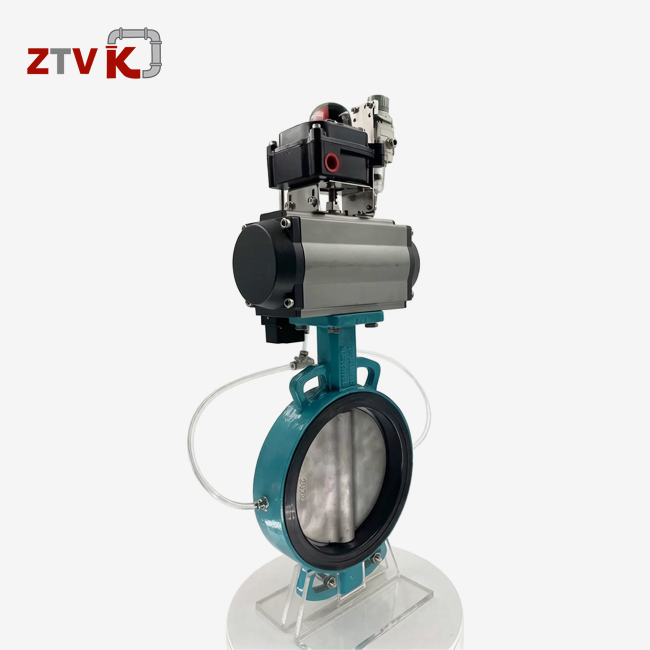
Butterfly valve discs are moved by butterfly valve pneumatic actuators that use compressed air to turn metal parts, usually 90 degrees. The stroke is the angle of travel from fully closed to fully open. It has a direct effect on how well the seal works and how precisely the flow is controlled.
Core Components and Operational Mechanism
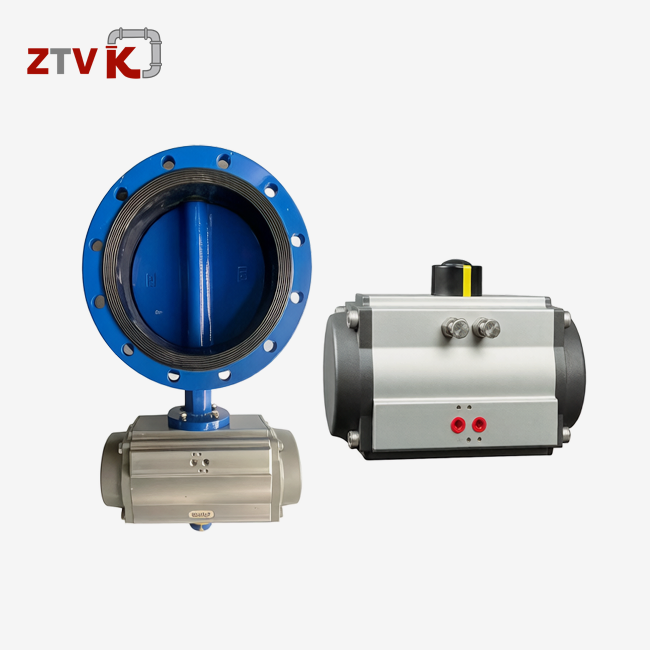
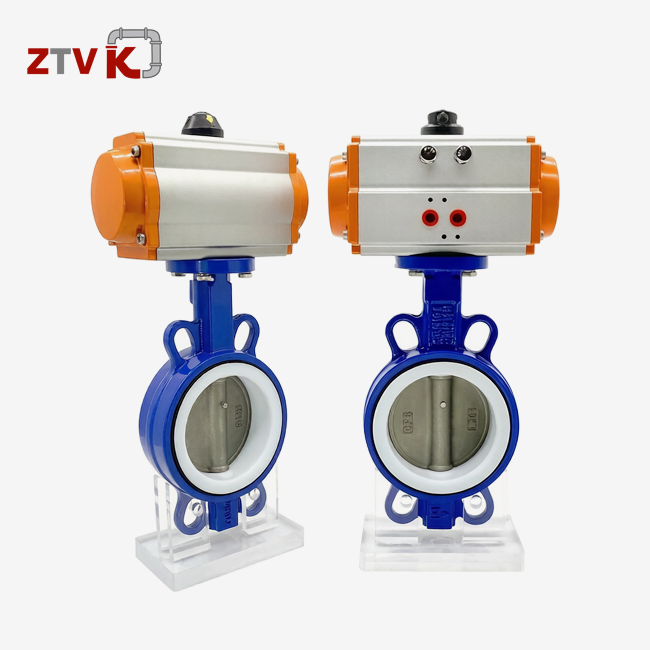
Two pistons move a valve stem-connected pinion gear in rack and pinion actuators from DN40 to DN1200. Air in one chamber pulls the piston, turning the gear and valve disc. Air pressure controls double-acting models' opening and closing, providing you with exact control. When the air supply stops, single-acting valves close or open using spring return devices. Chemical processing plant and factory emergency shutdown systems need this failsafe capability.
Actuator bodies are commonly cast iron, stainless steel, aluminium alloy, or WCB. While aluminium doesn't rust and is lightweight, WCB can withstand 16 Bar of pressure. Internally, O-rings and seals prevent air leaks and power loss.
Stroke Function and Process Reliability
How far the disc spins is controlled by the stroke length. The full range of motion for a standard butterfly valve is exactly 90 degrees. 0 degrees means the valve is closed and 90 degrees means it is open. If the actuator moves too far, the disc hits internal stops, which hurts the rubber linings and seating surfaces. Undertravel leaves holes that let water leak out and make the flow uneven.
Wafer-type and flanged butterfly valves are used in fire protection networks and local water systems. They shut off tightly when the stroke alignment is correct. When electro-pneumatic positioners are used for throttling, precise placement is very important because the valve has to stay at an angle in order to control flow rates in HVAC cooling loops or desalination brine release systems.
Design Variations: Rack and Pinion vs. Scotch Yoke
Rack and pinion actuators provide steady torque throughout the stroke, making them perfect for applications that involve cycling a lot. Their flexible design makes it easy to add accessories. For example, limit switches, solenoid valves, and air filter regulators can be attached using NAMUR connectors that meet VDI/VDE 3845 standards. This flexibility helps wholesalers who offer customisable deals to a wide range of business clients.
Scotch yoke actuators produce more breakaway torque at the ends of their stroke, making them ideal for large-bore valves (DN600 and above) that deal with viscous fluids or high differential pressures. But because they are bigger and cost more, they aren't widely used outside of heavy-duty uses.
Step-By-Step Guide to Adjusting the Actuator Stroke of a Pneumatic Butterfly Valve
To make sure that the valve works safely and reliably in industrial settings, the stroke must be adjusted correctly. This requires careful planning, accurate mechanical tuning, and thorough functional testing.
Preparation and Safety Protocols
Close upstream shut-off valves and release pressure through manual bleed ports before making changes to the actuator's air supply. This stops actuators from moving unexpectedly, which could hurt technicians or damage equipment. Place lock-out/tag-out procedures and warning tags on air supply valves and control screens.
You'll need a torque wrench, adjustable wrench, hex keys (4mm to 10mm), and an accurate angle measure or protractor. Check the actuator's manufacturer's technical datasheet for stroke parameters and adjustment screw locations. Rack-and-pinion ZTVK actuators come with torque values and stroke angles for sizes DN40 to DN1200 and detailed installation instructions.
See if the actuator-valve system has loose mounting bolts, broken coupling pieces, or dirt around the stem. Make sure the valve disc is straight with the pipeline when closed before continuing.
Determining Correct Stroke Length
The needed spin angle for a butterfly valve pneumatic actuator can be found on the valve's label or technical drawing. Standard butterfly valves have 90-degree strokes. Make sure that the size of the actuator matches the torque needs of the valve, taking into account the pressure, temperature, and seating force in the media. Undersized actuators have trouble going all the way through their strokes when they are loaded, and large units could over-torque and damage the seals.
For flanged links that can handle 10 to 16 Bar of pressure, make sure that the actuator output torque is 25 to 30 percent higher than the valve's estimated breakaway torque. This safety cushion accounts for seal friction, media buildup, and growth caused by temperature.
Mechanical Calibration Process
Find the stop screws or cam plates that can be adjusted on the actuator body. These are the mechanical limiters that set the ends of the stroke. Using the declutching mechanism or the manual override lever, turn the actuator pinion by hand. This will move the disc to the fully closed position where it seals against the seat.
The closed-position stop screw should be adjusted so that it touches the internal stop surface of the actuator. Tighten the lock nut all the way, and then try to rotate the disc a little by hand to make sure it stays sealed. It shouldn't move. Measure the disc's position with the angle gauge to make sure it is in zero-degree alignment.
Turn the actuator by hand until it's fully open, and the disc is lined up with the flow direction. In the same way, adjust the open-position stop screw and lock it in place when it's turned 90 degrees. Check both positions again to make sure the disc doesn't move too far or touch the valve body, which could damage the rubber liner or bend the stem.
Functional Testing and Verification
Reconnect the air supply slowly until the pressure reaches 5–7 Bar, which is suitable for ordinary actuators. Ensure the valve slides smoothly and fully while opening and closing it frequently. Listen for odd noises. Grinding or clicking indicates misalignment or low oil. Limit switches or proximity sensors feed automatic control loops location data. Signal complete opening and closing on these devices. It prevents control system errors.
On the last stroke, use a torque wrench connected to the actuator's manual override to measure closing force. Compare numbers to factory instructions. When force is excessive, the adjustment is too tight, or an internal barrier needs to be investigated. Note changes in stroke parameters, torque, and test cycle numbers. Standard data helps maintenance planning and problem-solving.
Common Challenges and Troubleshooting Tips in Pneumatic Actuator Stroke Adjustment
Problems with stroke tuning can be caused by mechanical wear, the surroundings, or mistakes made during installation. Seeing signs early on keeps operations running smoothly and extends the life of tools.
Symptoms of Improper Stroke Adjustment
When a valve doesn't travel all the way, it leaks even when the actuator says the valve is closed. Flow problems or drops in pressure across the valve let operators know that the disc closing isn't good enough. Over-rotation makes noises when the disc hits the valve body, which over time breaks discs or deforms stems.
When an actuator gets stuck in the middle of its stroke, the unit stops moving before it gets to where it's supposed to be. This usually happens because the stop screws aren't lined up right and stop the movement too soon, or because an internal part is binding because of rust or not enough lubrication.
Root Cause Diagnosis
O-rings, piston seals, and gear teeth wear down after many cycles. Check seals for hardness, breaking, or expansion, which can occur in unclean air or temperature fluctuations. Repair damaged parts as recommended by the manufacturer.
Mistakes include mounting the actuator in the wrong direction, loose coupling bolts, and mismatched ISO 5211 flange interfaces. To prevent stem slippage while working, make sure the actuator stem key fits completely into the valve stem hole.
Moisture and particulates in dirty compressed air harm actuator cylinder seals and piston walls. Air filter regulators upstream of the actuator maintain ISO 8573-1 Class 4 air quality. This eliminates impurities before they enter the mechanism.

Practical Maintenance Solutions
Set up preventative lubrication plans so that grease approved by the maker is applied to bearings and pinion gears every six months or after 100,000 cycles on a butterfly valve pneumatic actuator, whichever comes first. Using silicone-based lubricants on ZTVK actuators makes them work better. These lubricants can handle high humidity and extreme temperatures.
Visual inspections should be done every three months to look for air leaks around the cylinder caps, loose fasteners, or spots of corrosion on the aluminium housings. Take care of small problems right away to keep them from getting worse during important treatments.
If your limit switches and solenoid valves have electrical problems or respond slowly, you should replace them. These add-ons have a direct effect on the accuracy of the control loop and its fail-safe features.
Comparing Pneumatic Actuators with Other Actuation Types for Butterfly Valves
Choosing the best actuation method relies on the needs of the application, the available budget, and the operating setting. There are different benefits to pneumatic, electric, and hand controls.
Pneumatic Actuators: Speed and Safety
Butterfly valve pneumatic actuators can cycle 90-degree strokes in under three seconds, making them ideal for emergency isolation valves in industrial ESD systems. Built for ATEX Zone 1, their safety in explosive conditions eliminates electric motor sparks.
A simple mechanical structure simplifies maintenance compared to electric systems. Fewer electrical parts imply they break less in harsh conditions like high humidity, corrosive gases, or extreme temperatures. Rack and pinion systems can do over one million procedures and last a long time.
Spring-return valves stop or open automatically to prevent spills or equipment damage during power or air outages. This silent safety function is useful in empty workplaces and far-off pipeline installations.
Electric Actuators: Precision and Integration
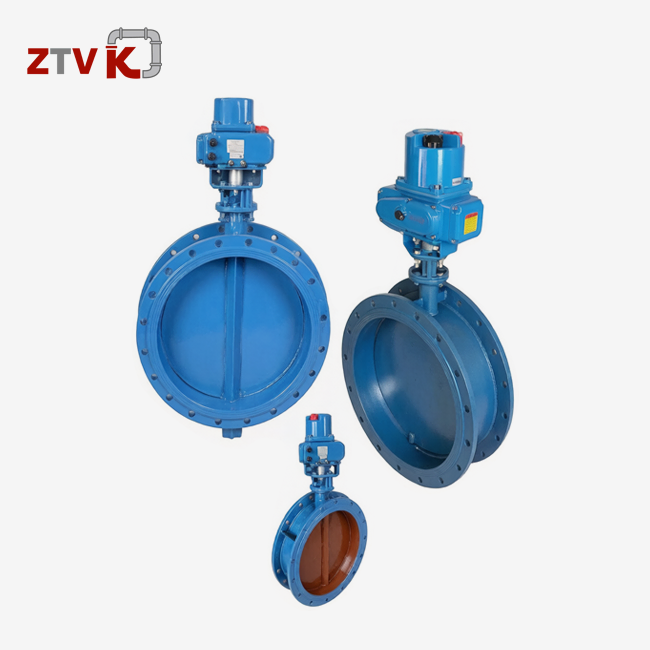
Electric motors have built-in microprocessors that let you precisely control their positioning. They can also accept 4-20mA analogue signals for proportional slowing. They work with HVAC systems that need to gradually change the flow to keep the temperature stable in a building.
But electric units are more expensive to buy at first—often 50 to 80 percent more than similar pneumatic models—and they need special electrical equipment. To copy hydraulic fail-safe features, battery backup devices make things more complicated and cost more.
Manual Actuation: Simplicity and Cost
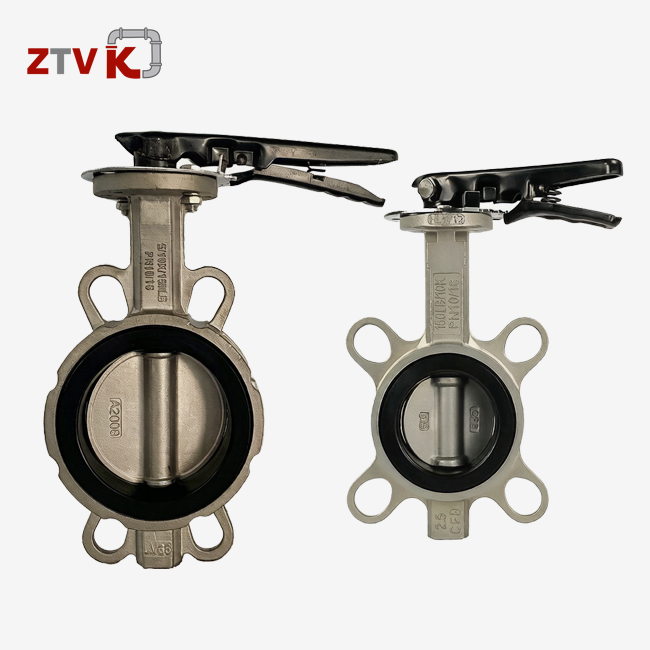
Manual gearboxes are good for valves that are far away and don't have access to power or air. Their low initial cost makes them appealing for projects that need to stay within a budget, but their labour-intensive operation makes them impractical for high-frequency applications or large-bore valves that need a lot of torque.
Selecting Reputable Actuator Suppliers
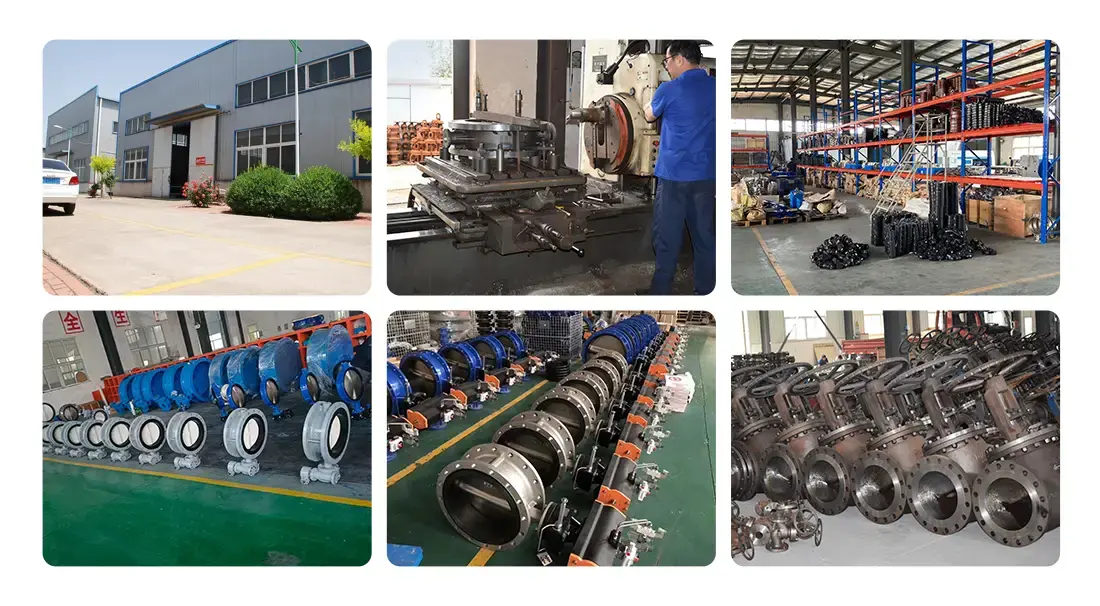
Manufacturers you can trust have ISO 9001 approval, strict quality control, and full expert support. ZTVK's ISO 9001, ISO 14001, and OHSAS 18001 standards prove that they follow structured quality management and environmental rules. At our Tianjin facility, we have CNC lathes and pressure testing tools that make sure every actuator meets API, ANSI, and DIN standards before it is sent out.
Well-known sellers keep standard sizes in stock, which lets them deliver quickly and meet project schedules for contractors. ZTVK keeps more than 2,000 units in stock in sizes DN50 to DN600 and ships orders in three to seven days.
Procurement Considerations for Butterfly Valve Pneumatic Actuators
To get the best long-term working performance, strategic procurement combines technical requirements, cost effectiveness, and source dependability.
Aligning Actuator Specifications with Valve Requirements
Match the actuator torque output to the torque demand of the butterfly valve pneumatic actuator. Allow a 25–30% safety margin to account for seal friction and media buildup. If you want to make sure that flanged butterfly valves that handle 16 Bar water service seat reliably at maximum pressure, you should choose actuators that are rated 30% higher than the estimated breakaway force.
Ratings for the environment are important. For example, aluminium motors can handle saltwater environments in desalination plants, and WCB bodies can handle steam service in cooling systems for power plants. Make sure the material works with the process media. For example, stainless steel 316 works well in chemical environments where regular cast iron would rust quickly.
Check that the interfaces for your accessories work with your control architecture. Mounting pads that are NAMUR-standard make it easier to add limit switches and solenoid valves after the fact, which saves money on installation labour and parts.
Cost-Benefit Analysis and Bulk Purchasing
Look at the lifecycle costs that go beyond the purchase price. Electric valves cost more to maintain than pneumatic ones, which cancels out any small savings you might get at first. Compared to continuously driven electric engines, they still use very little energy.
Buying in bulk can save you money because when you order 50 to 100 units, the price of each unit drops by 15 to 25 percent. ZTVK's reasonable prices and ability to make products in-house make it a good choice for distributors serving area markets. We are only 50 kilometres from Tianjin Port, which makes it easier to export goods and saves international customers money on freight costs and lead times.
Securing Reliable Supply Partnerships
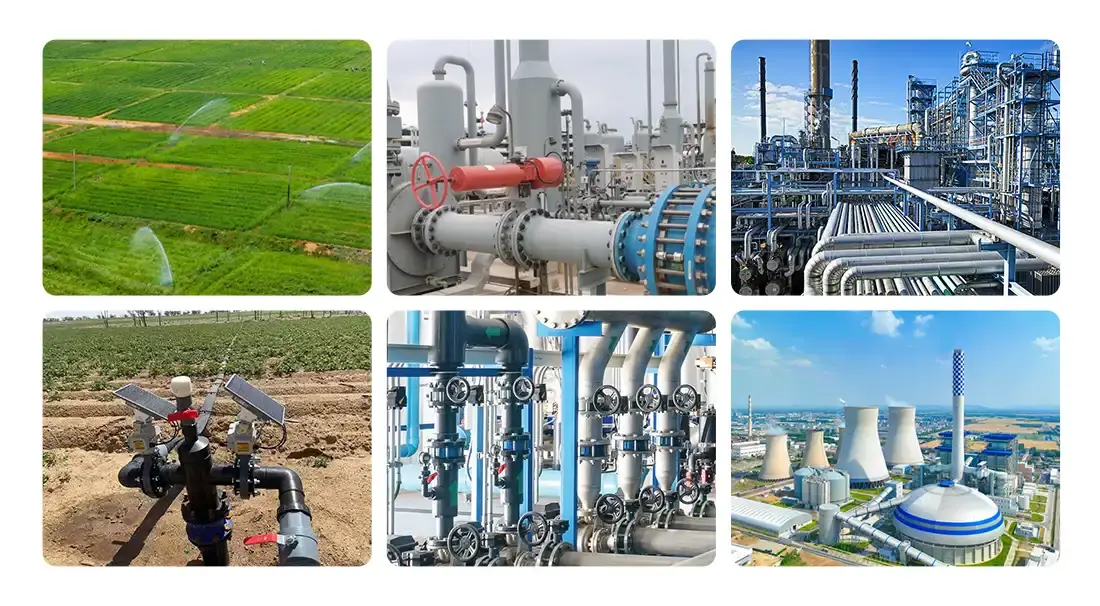
Choose providers that offer OEM customisation, such as nameplates with your brand on them, unique packaging, and specs that fit your needs. As part of its ODM services, ZTVK can remake actuator housings or sealing materials to fit different working conditions, such as high-dust environments in the Middle East or high-humidity regions in Southeast Asia.
Check the guarantee terms—18-month coverage shows that the maker trusts the product and protects against problems. Technical help, installation guides, and troubleshooting instructions that are easy to access speed up commissioning and make operators more skilled.
Build relationships with suppliers and keep local service partners on hand to help you on-site. ZTVK's global network offers technical help in different regions, which cuts down on downtime during necessary fixes.
Conclusion
Butterfly valve pneumatic actuator strokes can be changed to ensure accurate flow control, tight shutting, and reliable operation in a variety of challenging industrial situations. Understanding actuators, following regular calibration methods, and anticipating frequent issues can help maintenance teams avoid costly downtime and extend equipment life.
Actuator type depends on application speed, environmental hazards, and precision. Due to their simplicity and safety, pneumatic solutions are risky and perform best in changing conditions. Strategic procurement entails matching the actuator and valve demands, estimating the cost, and partnering with sellers who can provide expert advice and customisation. These methods speed up operations and stabilise the supply chain.
Frequently Asked Questions
1. How often should I inspect and adjust actuator stroke?
Visual inspections should be done every three months to look for air leaks, loose fasteners, and strange noises while the machine is running. Every year or after 500,000 cycles, whichever comes first, the full stroke should be calibrated. For high-cycle uses like sewer aeration systems, changes may need to be made every six months to keep the sealing strong. Keep track of torque measures and travel limits during each check so that you can spot gradual drift before it leads to failures.
2. Can I calibrate stroke on-site without specialized tools?
A manual angle gauge and adjustable wrenches are used for basic stroke verification to make sure that the travel is 90 degrees. Loosen the lock nuts on the stop screws and rotate the actuator by hand to each endpoint. Then, adjust the screws until the limits line up with the positions of the valve discs. Even though this field method can't measure torque precisely, it can fix things quickly in an emergency. During planned repair times, you should always do a full calibration using the right tools.
3. When should I replace the actuator instead of repairing it?
Replace actuators with housings that are cracked, pinion gears that are severely corroded, or cylinders that have deep scoring that lets air leak in all the time. If the cost of repair is more than 60% of the replacement price, which often happens when multiple worn-out parts fail, it is cheaper to buy new units. Actuators that have been used more than their designed lifetime (usually 15 years or 2 million cycles) should be replaced so that they don't break down catastrophically during important activities.
Partner with ZTVK for Reliable Butterfly Valve Pneumatic Actuator Solutions
Industrial-grade butterfly valve pneumatic actuators from ZTVK are precise, durable, and compatible with systems worldwide. Our DN40 to DN1200 rack and pinion actuators are available in aluminium, cast iron, stainless steel, and WCB for city water systems, petrochemical pipes, and HVAC systems. One of Tianjin's Beichen District's largest butterfly valve pneumatic actuator manufacturers, we have over 2,000 standard units. We can supply them in three to seven days, which helps meet project deadlines.
Our ISO 9001, ISO 14001, and OHSAS 18001 certifications ensure quality, and our in-house CNC cutting and pressure testing facilities ensure that every actuator can withstand daily use. We help OEM brands and customise ODM products like epoxy coatings for humid environments and thicker stem covers for dusty places. We can address global distributor and contractor needs this way. We are only 50 km from Tianjin Port, which streamlines our operations and reduces freight costs and wait times for international buyers.
Get in touch with our technical team at ktec86961886@163.com for personalised suggestions, great deals on bulk orders, and full after-sales support, including installation help and an 18-month warranty. ZTVK can help you improve your supply chain by providing actuator options that are built to work well and be reliable.
References
1. Smith, J.R. (2021). Industrial Valve Actuation Systems: Design, Selection, and Maintenance. McGraw-Hill Professional Engineering.
2. Thompson, M.A. & Chen, L. (2020). "Pneumatic Actuator Performance Optimization in Automated Pipeline Systems," Journal of Process Control Engineering, 48(3), 215-234.
3. International Society of Automation (2022). ANSI/ISA-75.25.01: Control Valve Actuator Sizing and Selection Guidelines. ISA Standards Committee.
4. Williams, K.D. (2019). Butterfly Valve Technology: Applications and Troubleshooting for Industrial Systems. Elsevier Technical Publications.
5. European Industrial Valve Association (2023). Technical Handbook for Pneumatic Quarter-Turn Actuators: Installation and Commissioning Best Practices. EIVA Industry Standards.
6. Rodriguez, P. & Nakamura, T. (2020). "Comparative Analysis of Actuation Technologies in Critical Flow Control Applications," Valve World Americas, 15(2), 42-51.
Send us your valve requirements and our team will provide professional solutions and fast quotations.
RELATED INDUSTRY KNOWLEDGE