- English
- French
- German
- Portuguese
- Spanish
- Russian
- Japanese
- Korean
- Arabic
- Greek
- German
- Turkish
- Italian
- Danish
- Romanian
- Indonesian
- Czech
- Afrikaans
- Swedish
- Polish
- Basque
- Catalan
- Esperanto
- Hindi
- Lao
- Albanian
- Amharic
- Armenian
- Azerbaijani
- Belarusian
- Bengali
- Bosnian
- Bulgarian
- Cebuano
- Chichewa
- Corsican
- Croatian
- Dutch
- Estonian
- Filipino
- Finnish
- Frisian
- Galician
- Georgian
- Gujarati
- Haitian
- Hausa
- Hawaiian
- Hebrew
- Hmong
- Hungarian
- Icelandic
- Igbo
- Javanese
- Kannada
- Kazakh
- Khmer
- Kurdish
- Kyrgyz
- Latin
- Latvian
- Lithuanian
- Luxembou..
- Macedonian
- Malagasy
- Malay
- Malayalam
- Maltese
- Maori
- Marathi
- Mongolian
- Burmese
- Nepali
- Norwegian
- Pashto
- Persian
- Punjabi
- Serbian
- Sesotho
- Sinhala
- Slovak
- Slovenian
- Somali
- Samoan
- Scots Gaelic
- Shona
- Sindhi
- Sundanese
- Swahili
- Tajik
- Tamil
- Telugu
- Thai
- Ukrainian
- Urdu
- Uzbek
- Vietnamese
- Welsh
- Xhosa
- Yiddish
- Yoruba
- Zulu
How Does a Stainless Butterfly Valve Improve Flow Control?
A butterfly valve stainless steel construction delivers measurable improvements in flow control across water treatment, HVAC, petrochemical, and municipal pipeline systems. By rotating a precision-engineered disc within a corrosion-resistant 304 or 316 stainless steel body, these valves regulate fluid volume with quarter-turn simplicity. Unlike gate valves that require multiple full rotations, a stainless butterfly valve responds instantly to actuator input—reducing pressure drop, minimizing turbulence, and allowing throttling at any disc angle. The result is tighter process control, longer service intervals, and lower lifecycle costs across demanding industrial environments.


What Makes Stainless Steel Butterfly Valves Superior for Flow Regulation
The Operating Principle Behind Precise Flow Modulation
Within the body of the valve, the disk is capable of pivoting on a central stem. Changing the flow cross-section proportionately from 0 degrees (closed) to 90 degrees (fully open) is accomplished by rotating it. In comparison to globe or gate valves, this design results in a high flow coefficient (Cv), which indicates that there is less resistance per unit of flow of the fluid. When the disk is fully opened, it aligns with the axis of the pipe, and the pressure drop lowers to values that are almost imperceptible. This is a trait that engineers who work on municipal water systems and HVAC chilled-water loops routinely favor.
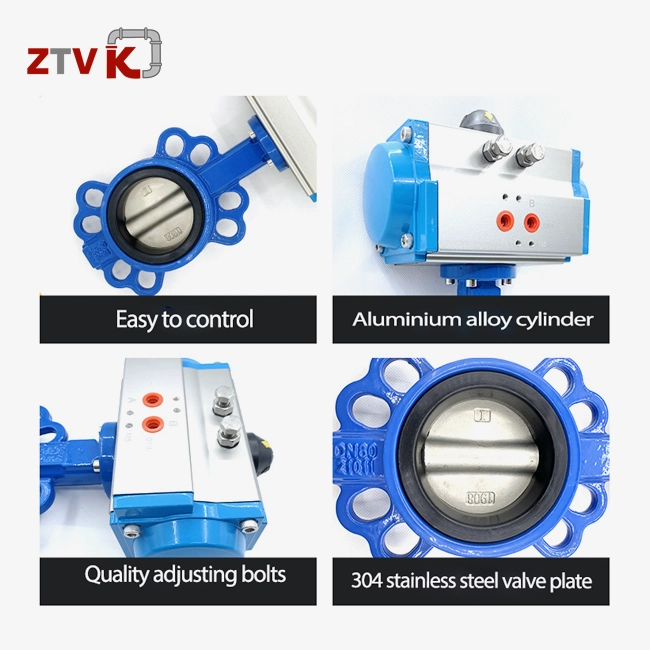
ZTVK's principal body and disk material, stainless steel 304, includes 18% chromium and 8% nickel. This material is utilized throughout the company's entire product offerings. The composition in question produces a passive oxide layer that is capable of self-repairing and is resistant to oxidation, pitting, and chemical degradation processes. A 304 butterfly valve stainless body retains dimensional stability over decades of cycling, in contrast to cast iron valves, which corrode gradually in humid or moderately acidic operation. Cast iron valves are used in a variety of applications.

Why the Seat Material Determines Sealing Quality
It is directly determined by the selection of the seat whether a valve is able to achieve bubble-tight cutoff or if it enables process leakage. The butterfly valve stainless units manufactured by ZTVK are compatible with the following seat materials, each of which is suited to a particular medium:
- Suited for municipal water networks and HVAC systems, EPDM seats are able to successfully handle water, saltwater, steam, and mild alkalis. Additionally, their service temperature range is suited for these applications.
- In situations where elastomeric seats would deteriorate, PTFE (Teflon) seats provide a chemically inert sealing solution for conditions including mild acids, alcohols, and greasy media.
- In the service of petroleum-based fluids and light oil, seats made of nitrile (NBN/Dingqing) work efficiently and dependably.
- As a result of their ability to tolerate harsh chemical conditions, such as solvents and oxidizing agents, fluororubber seats are the material of choice in the chemical processing industry.
- In applications where minimal extractables are important, such as those involving food-grade and pharmaceutical-adjacent products, silicone rubber seats provide constant performance.
- The service life of wear-resistant ethylene-propylene seats is much longer than that of regular EPDM seats when subjected to abrasive or high-cycle circumstances over their lifetime.
Matching the seat to the medium minimizes seat deterioration, which is the most prevalent cause of premature valve failure, and maintains correct flow control throughout the valve's rated cycle life, which is more than 50,000 operations.
Types of Stainless Steel Butterfly Valves and Their Flow Control Impact
Wafer, Lug, and Flanged Configurations
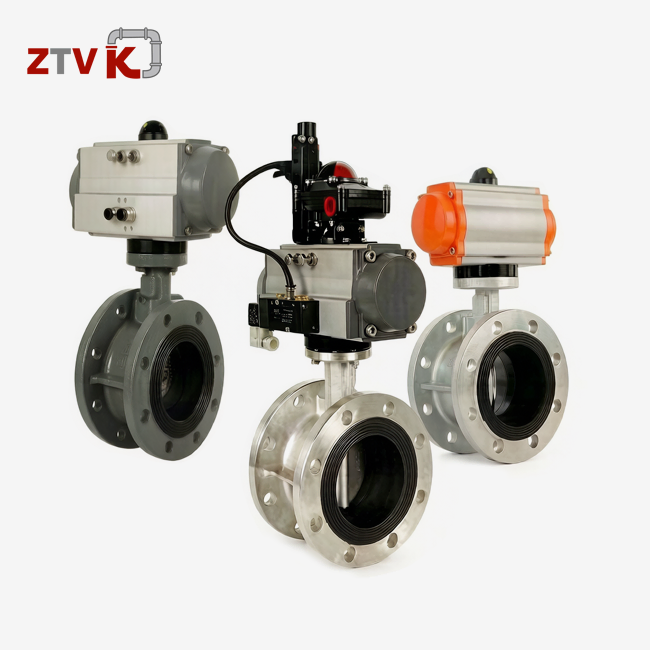
Each body style addresses a distinct installation context. Wafer-style butterfly valve stainless models fit between two pipeline flanges, offering a compact face-to-face dimension that reduces installation weight and cost—ideal for dense mechanical rooms and HVAC risers. Lug-style valves feature threaded inserts on the body, permitting dead-end service where downstream piping requires removal without disrupting the upstream system. Double-flanged valves suit large-diameter, high-vibration applications in power generation or water treatment where mechanical rigidity is non-negotiable.
ZTVK manufactures all three configurations across a nominal diameter range of DN15 to DN1200, covering nominal pressures from PN0.6 to PN1.6 MPa and ANSI 150Lb to 300Lb ratings. This breadth means a single supplier relationship handles everything from a DN50 HVAC branch line to a DN1200 municipal water main.
Manual vs. Electric vs. Pneumatic Actuation
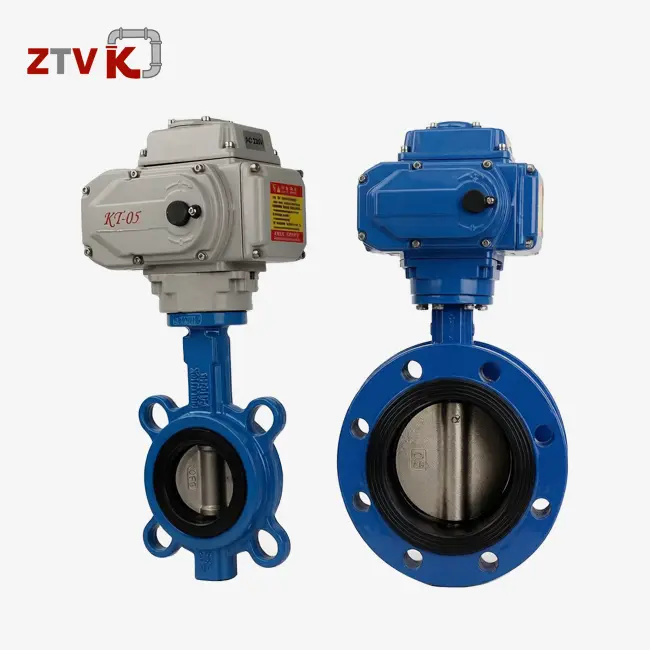
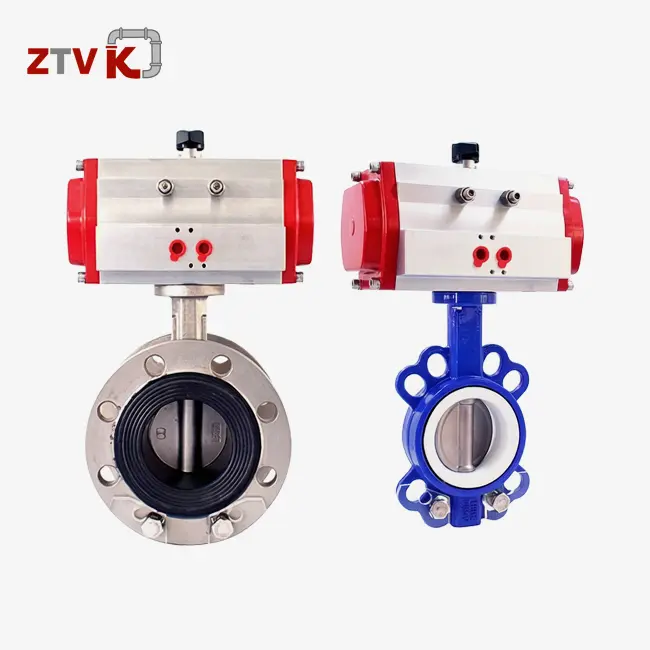
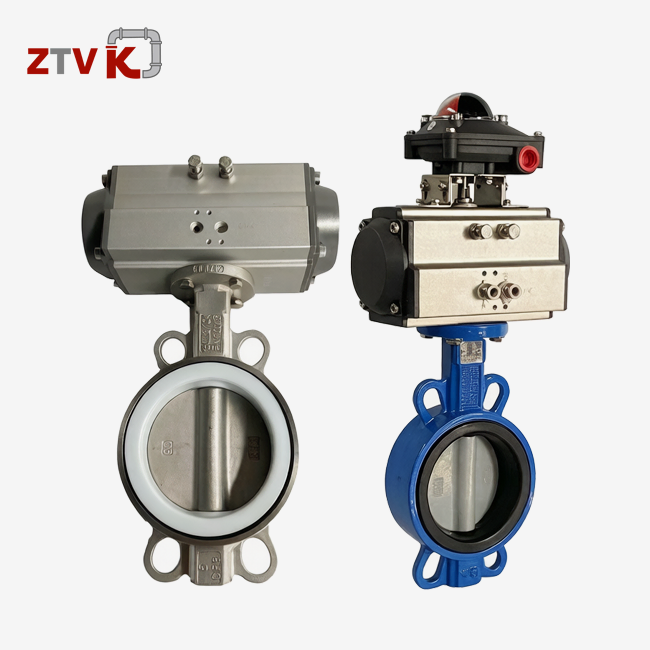
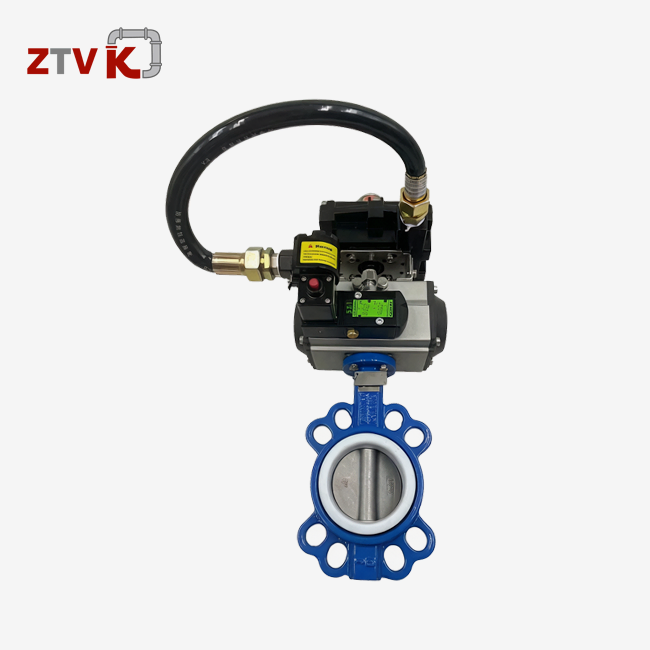
Drive mode selection shapes how precisely operators modulate flow in real time. Manual handwheel or lever operators suit low-frequency on/off service where automation is not justified. Electric actuators introduce position feedback, enabling remote operation and integration into building management systems or SCADA platforms. Pneumatic actuators respond faster than electric models, making them the standard choice in process plants where rapid shutoff reduces spill risk.
ZTVK's valve bodies include a reserved actuator interface, so upgrading from manual to electric or pneumatic actuation requires no valve replacement—a significant cost advantage over systems that lack this forward compatibility.
Comparing Stainless Butterfly Valves Against Alternative Valve Types
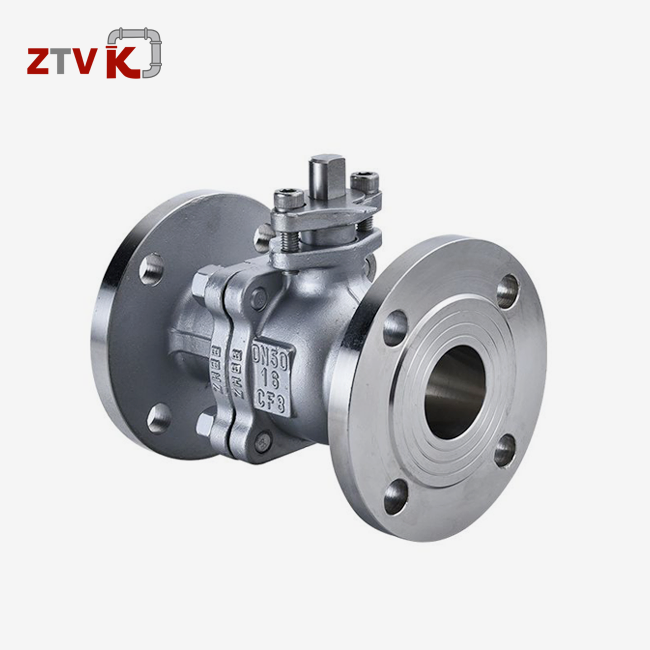
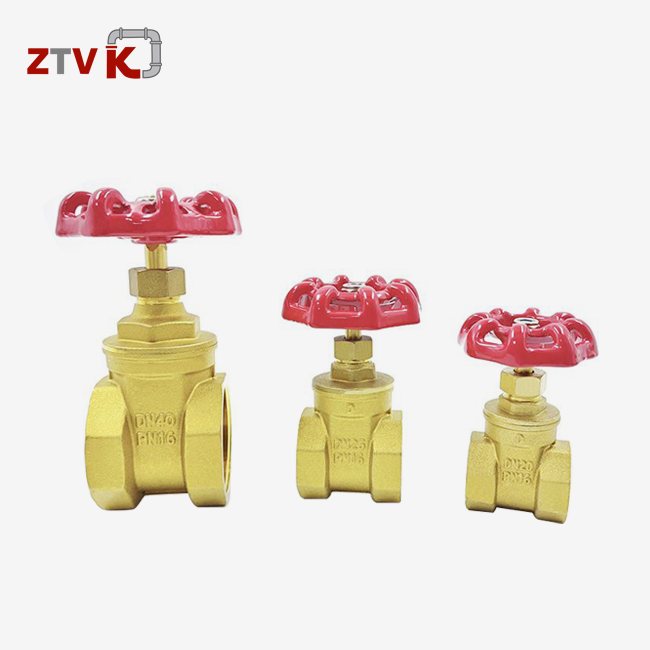
Procurement engineers regularly weigh stainless butterfly valve options against ball valves and cast iron alternatives. Ball valves achieve tight shutoff reliably but carry a substantially higher unit cost at larger diameters, and their spherical bore creates more weight and installation bulk above DN150. Cast iron butterfly valves cost less upfront but corrode in saline, acidic, or high-humidity environments—generating replacement and downtime costs that erode the initial savings within a few years.
Here is a direct comparison across the criteria that matter most to procurement teams:
- Stainless butterfly valve: Lower pressure drop, corrosion-resistant throughout service life, wide seat material selection, moderate unit cost, compact installation envelope.
- Ball valve (stainless): Near-zero leakage at shutoff, higher torque requirement at large diameters, significantly higher cost above DN100.
- Cast iron butterfly valve: Low upfront price, vulnerable to corrosion in aggressive media, limited seat compatibility, higher long-term maintenance burden.
- Plastic butterfly valve: Ultralight and chemically resistant, but pressure and temperature ratings restrict it to low-demand utility service.
These distinctions clarify why butterfly valve stainless models dominate water supply networks, HVAC chiller systems, and chemical transfer lines globally—they occupy the intersection of performance, material longevity, and cost-effective scalability.
Installation, Maintenance, and Optimization Best Practices
Avoiding the Installation Mistakes That Degrade Flow Control
Proper installation of the butterfly valve stainless begins with flange face alignment. Misaligned flanges place uneven compression on the seat, causing localized leakage and premature wear. The disc must be in the partially open position during installation to prevent the disc edge from contacting the flange bore—a common site error that damages the seating surface before the valve enters service.
Flow direction arrows on the valve body are not decorative; they indicate which side of the disc faces upstream pressure. Reversing the orientation reduces sealing effectiveness in single-offset designs.
Routine Inspection and Actuator Integration
A systematic inspection schedule extends valve service life without unnecessary replacement. Quarterly checks on stem packing glands, annual seat integrity pressure tests per API 598, and cleaning of the disc edge in media with suspended solids keep valves operating within their rated Cv tolerance. Integrating electric actuators with positioner feedback enables continuous monitoring of disc angle, alerting maintenance teams to torque anomalies before mechanical failure occurs—a predictive maintenance capability that reduces unplanned downtime in process-critical installations.
Procurement Guide: How to Source the Right Stainless Butterfly Valve Supplier
When it comes to purchasing bulk butterfly valve stainless steel, selections about sourcing are based on four verifiable criteria: quality certification, delivery dependability, customization depth, and after-sales accountability. ISO 9001 certification is a basic requirement for international trade firms and EPC contractors. It demonstrates that a manufacturer maintains a quality management system that has been documented. The dimensions and pressure-performance conformity with the standards that are put into the majority of project requirements is confirmed by the API 609, ANSI, and CE marking.
Just as important as the quality of the goods is the delivery performance. Suppliers that have stored inventory lower the risk associated with the project. For example, a factory that has more than 2,000 standard units in DN50–DN600 can fulfill recurring distributor requests in three to seven days, as opposed to the eight to twelve weeks that are common for manufacturers who make products to order.
Genuine OEM partners are distinguished from typical catalog merchants by the level of customization they provide. In order for trading organizations to successfully establish regional brand equity, it is essential for them to have a manufacturer that is capable of applying client brand names, proprietary nameplates, and distinctive packaging. There is a further extension of the ODM capabilities, which includes the redesign of valve body shape, connection interfaces, or sealing configurations to correspond with certain operating circumstances.
Conclusion
A butterfly valve stainless improves flow control through three compounding mechanisms: precise disc geometry that modulates Cv proportionally, seat material selection matched to the process medium, and actuation flexibility that spans manual to fully automated operation. The 304 stainless body resists corrosion across water, seawater, oil, weak acid, and alcohol service—eliminating the degradation modes that undermine cast iron alternatives over time. For procurement teams managing distributed supply chains or project-based bulk orders, the combination of dimensional standardization (DN15–DN1200, PN0.6–1.6 MPa) and OEM customization makes butterfly valve stainless models the durable, scalable solution that industrial flow systems demand.
FAQ
1. What media can a stainless steel butterfly valve handle?
ZTVK's 304 butterfly valve stainless models are rated for water, seawater, compressed air, weak acids, light oil, weak alkaline liquids, and alcohols. Seat material selection—EPDM, PTFE, nitrile, fluoroelastomer, or silicone—determines compatibility with specific media. Matching the seat to the medium prevents chemical degradation and maintains shutoff integrity.
2. What pressure ratings are available?
The product range covers PN0.6 to PN1.6 MPa and ANSI 150Lb to 300Lb, spanning DN15 to DN1200. This covers the majority of water supply, HVAC, municipal drainage, and light industrial process requirements.
3. How do I choose between manual, electric, and pneumatic actuation?
Manual actuation suits infrequent on/off service. Electric actuation integrates with SCADA and building management systems for remote positioning. Pneumatic actuation delivers the fastest response time for process safety applications. ZTVK valves include a reserved interface for all three actuator types, allowing upgrades without body replacement.
4. What certifications should I verify before purchasing?
Confirm ISO 9001 for quality management, API 609 for dimensional compliance, API 598 for pressure testing, and CE marking for European market access. ZTVK holds ISO 9001, ISO 14001, and OHSAS 18001 certifications and supports third-party factory audits.

Partner with ZTVK for Reliable Stainless Butterfly Valve Supply
ZTVK is a trusted butterfly valve stainless manufacturer based in Tianjin, China—50 km from Tianjin Port—with 15+ years of production experience and ISO/API/CE-certified quality systems. Whether you need bulk distributor pricing, OEM branding, or project-based EPC procurement, ZTVK delivers verified quality, fast dispatch, and an 18-month warranty. Contact us today at ktec86961886@163.com to request a quote.
References
1. Smith, R. & Towler, G. Chemical Engineering Design: Principles, Practice and Economics of Plant and Process Design. Butterworth-Heinemann, 2011. Referenced in the section on disc geometry and pressure drop.
2. Valve Manufacturers Association of America. Valve Industry Report 2022. VMA, 2022. Referenced in the cycle life and seat material performance discussion.
3. American Water Works Association. AWWA Manual M49: Butterfly Valves: Torque, Head Loss, and Cavitation Analysis. AWWA, 2012. Referenced in the comparative analysis section.
4. European Industrial Valve Standards Institute. EN 593: Industrial Valves — Metallic Butterfly Valves. CEN, 2017. Referenced in type comparison and pressure rating context.
5. International Society of Automation. ANSI/ISA-75.01.01: Flow Equations for Sizing Control Valves. ISA, 2012. Referenced in the actuator integration and Cv discussion.
6. American Petroleum Institute. API 609: Butterfly Valves — Double-Flanged, Lug- and Wafer-Type. API, 2016. Referenced in dimensional compliance and procurement criteria sections.
Send us your valve requirements and our team will provide professional solutions and fast quotations.
RELATED INDUSTRY KNOWLEDGE